
Pests and Diseases
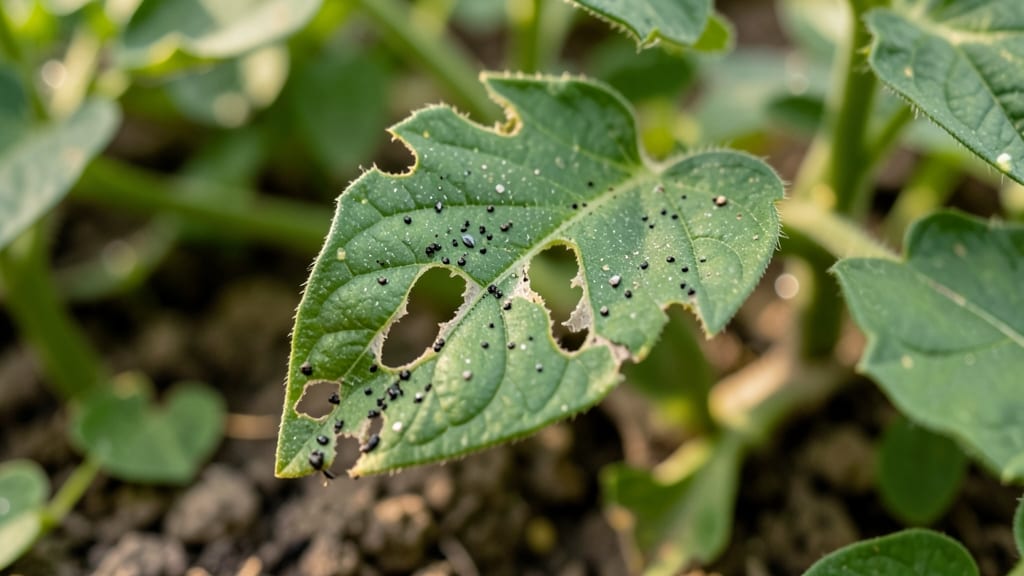
Leaf-footed bug damage turns vibrant leaves into skeletonized nightmares overnight. 🌿 I’ve watched these tiny invaders strip my tomato plants bare in a single afternoon, and I’m here to help you spot them early, stop the spread, and protect your garden before it’s too late.
These pests leave behind tiny holes and brown spots on leaves, stems, and even fruit—often near where their legs attach. The damage might look like lace or shot holes, but the real giveaway is the brownish-black, shield-shaped bugs scurrying away when you disturb the plants.
They’re most active in warm weather but can strike anytime. With the right approach—neem oil sprays, pruning damaged growth, and row covers—you’ll reclaim your garden in days. Your plants will bounce back with fewer scars, and you’ll catch these sneaky pests before they become a full-blown infestation.
Prevention is easier than cleanup: companion plants like basil and marigolds deter them, and early morning inspections let you act fast. Let’s get your garden back to thriving!
Root Causes Of Garden Devastation
Leaf-footed bugs (family Coreidae) don’t just appear out of nowhere—they’re drawn to your garden by a mix of environmental cues, plant chemistry, and even human habits. Understanding these triggers is the first step to stopping their destructive feeding before it starts.
Below, we break down the key reasons these pests target your plants, leaving behind chewed leaves, wilting stems, and unsightly damage.
Leaf-footed bugs have an uncanny ability to sniff out plants under stress. When a plant is struggling—whether from drought, poor soil, or nutrient deficiencies—it emits volatile organic compounds (VOCs), chemical distress signals that act like a dinner bell to these pests. Why?
- Drought-stressed plants produce higher levels of sugars and amino acids in their sap, making them more nutritious (and appealing) to bugs.
- Overwatered or waterlogged soil weakens plant cell walls, making them easier for bugs to pierce with their stylets (their feeding tubes).
- Nutrient-deficient plants (especially low in nitrogen or potassium) become more susceptible because their defenses are compromised.
Actionable fix: Maintain consistent moisture levels and use a balanced fertilizer (like 10-10-10) to keep plants resilient. Healthy plants = less inviting snacks.
Leaf-footed bugs prefer new, tender growth over mature leaves or woody stems. This is because young tissue is:
- Easier to penetrate—their mouthparts can’t chew through thick bark or fibrous leaves.
- Higher in water content, which they need to survive (they don’t eat solids; they suck out plant juices).
- Less protected by natural defenses like waxy coatings or trichomes (tiny hair-like structures).
Plants at highest risk:
Plant Type
Why They’re Vulnerable
Tomatoes
Fruits and new leaves are irresistible—bugs inject enzymes to liquefy tissue before sucking.
Peppers
Thin stems and blossom ends are prime targets for egg-laying and feeding.
Squash & Cucumbers
Vines produce high-sugar sap, a favorite of leaf-footed bugs.
Beans & Peas
Pods and young shoots are soft and juicy, making them easy meals.
Actionable fix: Prune overly vigorous new growth in early summer to reduce food sources. Also, avoid over-fertilizing with nitrogen—it encourages too much soft growth, which bugs love.
Leaf-footed bugs aren’t just picky eaters—they’re also opportunistic hitchhikers and moisture-seekers. Your garden’s layout and microclimate can unintentionally create the perfect bug buffet zone:
- Weedy or mulch-heavy areas provide hiding spots during the day and egg-laying sites for females (they prefer to lay eggs in protected, moist soil).
- Poor drainage near plant bases attracts bugs because they need high humidity to survive (their exoskeletons dry out easily).
- Nearby wild vegetation (like grasses, weeds, or unmanaged shrubs) acts as a bug highway, allowing populations to explode before they reach your crops.
- Firewood or debris piles offer overwintering sites—adult bugs hide here until spring, then migrate to gardens.
Actionable fix:
- 🌿 Clear debris and mulch 3+ feet away from plants.
- 💧 Improve drainage with raised beds or gravel if your soil stays soggy.
- 🌱 Remove wild hosts like morning glories or smartweed, which bugs use as nurseries.
Leaf-footed bugs thrive in warm, dry conditions, which is why damage often spikes in:
- Late summer to early fall—when temperatures are high, and plants are stressed from heat.
- After rain—bugs emerge from hiding to feed on revived, water-rich growth.
- When natural predators decline (like birds or parasitic wasps) due to pesticide use or habitat loss.
Why the timing matters: Females lay 200+ eggs in clusters on plant stems, and nymphs (baby bugs) hatch in 10–14 days under ideal conditions. A single generation can wipe out a crop if unchecked.
Actionable fix: Monitor plants weekly in late summer for egg masses (tiny white clusters on stems). Remove them by hand or with soapy water to break the life cycle.
Key takeaway: Leaf-footed bug damage isn’t random—it’s a chain reaction of plant stress, habitat availability, and seasonal triggers. By addressing these root causes, you can dramatically reduce their impact before they even start feeding.
Fixing Leaf-Footed Bug Havoc
Leaf-footed bugs can turn your garden into a battleground, but don’t despair—there are effective, practical ways to reclaim your plants and keep them safe. Below, we break down solutions by cause, so you can target the problem directly.
Whether it’s chewed leaves, sap damage, or stinky invaders, these fixes will help you restore your garden’s health—and prevent future attacks.
If you’ve already spotted skeletonized leaves, wilting plants, or sticky honeydew, act fast to minimize harm.
🍳 Remove Infestations Manually
- Handpick adults and nymphs (especially in small gardens or greenhouses).
Drop them into soapy water to kill them instantly. - Shake plants over a bucket of soapy water to dislodge bugs hiding in foliage. - Use a strong spray of water to knock bugs off plants—repeat every few days for severe infestations.
👨🍳 Deploy Natural Predators
Encourage beneficial insects that hunt leaf-footed bugs:
- Spiders (especially orb-weavers) and ladybugs are natural predators.
- Install bat houses—bats eat hundreds of bugs per night!
- Release parasitic wasps (like Trichogramma species) if available at garden centers.
🥘 Apply Organic Sprays (Safe & Effective)
- Neem oil spray (1 tsp neem oil + 1 tsp mild soap + 1 quart water) disrupts their life cycle and repels them.
- Insecticidal soap (1.5 tbsp castile soap + 1 quart water) kills on contact—reapply every 3-5 days.
- Kaolin clay spray creates a protective barrier that bugs dislike.
Once you’ve eliminated the current infestation, take steps to keep leaf-footed bugs away for good.
🌱 Strengthen Plant Resilience
- Choose resistant varieties: Some plants (like roses, grapes, and citrus) are less appealing. Check local nursery recommendations.
- Prune damaged foliage regularly to remove hiding spots and reduce stress on plants.
- Avoid over-fertilizing with nitrogen—soft, new growth attracts bugs.
🌡️ Create Unfavorable Conditions
- Reduce hiding spots: Keep mulch 2-3 inches away from plant stems and avoid dense ground covers.
- Install fine mesh netting over young plants or greenhouses to block adults from laying eggs.
- Rotate crops if growing vegetables to disrupt their life cycle.
🎯 Early Detection & Monitoring
- Check undersides of leaves daily (especially in warm weather).
- Use yellow sticky traps to catch adults before they lay eggs.
- Inspect new plants before bringing them home—quarantine for a week if needed.
If your garden is overrun (e.g., dozens of bugs daily, widespread damage), consider:
- Hiring a pest control professional for severe cases (especially in orchards or large farms).
- Using pyrethrin-based sprays (derived from chrysanthemums) as a last resort—follow label instructions carefully.
- 🌿 Plant bug-repelling companions: Marigolds, basil, and lavender deter leaf-footed bugs naturally. - 🌡️ Time your treatments: Apply sprays early morning or late evening to avoid harming bees. - 🔄 Inspect stored firewood—bugs often hitchhike from woodpiles.
Store wood away from plants. - 🎯 Stay consistent: Bugs return if you stop treatments mid-cycle—stick to a schedule for 4-6 weeks.
With these targeted fixes, your garden can bounce back stronger**—and stay leaf-footed bug-free for the season! 🌱💪
Frequently asked questions
How can I tell if my plants have leaf-footed bug damage?
Look for lace-like holes in leaves, brown spots where their legs attach, and wilting stems. Check undersides of leaves for tiny brownish-black bugs scurrying away. They also leave behind sticky honeydew residue on foliage.
Are leaf-footed bugs the same as stink bugs?
No—they're related but different! Leaf-footed bugs have prominent leaf-like hind legs and a more slender body, while stink bugs have a shield-shaped body. Both release foul odors when threatened, but leaf-footed bugs target tender plant growth.
Will neem oil really work on leaf-footed bugs?
Yes! A 1% neem oil solution (1 tsp neem oil + 1 tsp mild soap per quart of water) disrupts their feeding and life cycle. Spray early morning or evening and reapply every 5-7 days for best results—it's safe for plants and beneficial insects.
Can I use dish soap to kill leaf-footed bugs?
Yes, but use it carefully. Mix 1.5 tablespoons of castile soap with 1 quart of water and spray directly on bugs. This kills on contact, but avoid spraying flowers to protect pollinators. Reapply every 3-5 days during infestations.
What should I do if I find leaf-footed bug eggs on my plants?
Remove them immediately! Eggs appear as tiny white clusters on stems. Scrape them off with a fingernail or cotton swab dipped in soapy water. Check plants weekly in late summer when females lay eggs—this prevents nymphs from hatching.