
Pests and Diseases
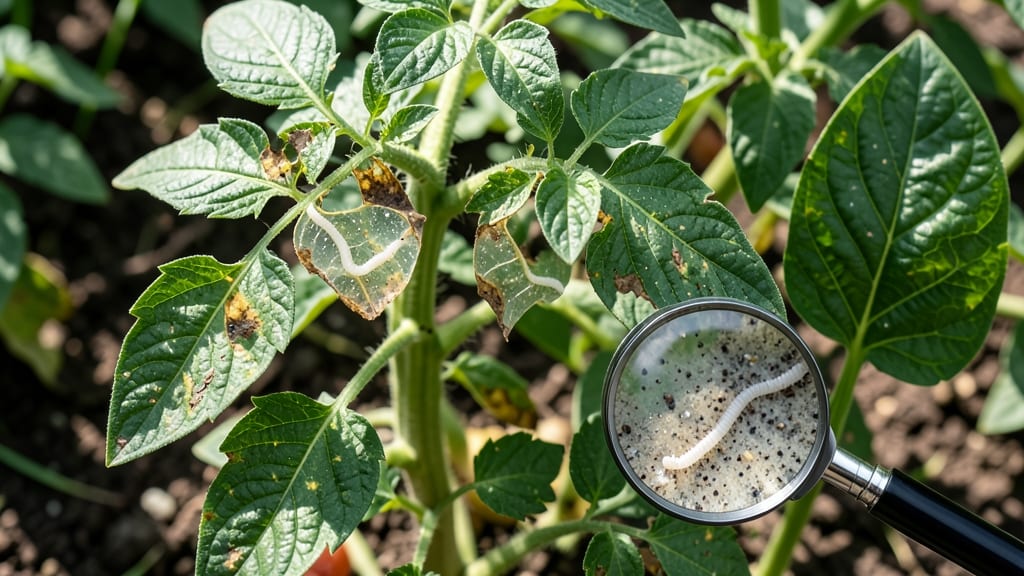
Leaf miners damage turns vibrant leaves into skeletal ruins overnight—those telltale serpentine trails are the first sign your plants are under siege. 🌿 I've watched entire basil and bean plants go from lush to lifeless in weeks, and the frustration hits hard when you've poured so much care into your garden.
The damage isn't just cosmetic; severe infestations weaken plants, stunt growth, and leave them vulnerable to other pests. The good news? You can fight back without resorting to harsh chemicals.
Early detection is key—check the undersides of leaves regularly for those winding tunnels, especially on plants like beans, celery, and basil. A simple homemade spray (neem oil or insecticidal soap) applied at the first sign can stop the spread before it becomes a full-blown crisis.
What you'll achieve is plants that stay strong and healthy, with minimal visible damage. The secret is combining organic sprays with physical removal of heavily infested leaves and encouraging beneficial wasps that prey on leaf miner larvae.
It takes vigilance, but the payoff is worth it—your garden can thrive even when leaf miners strike. This works for both container gardens and in-ground plots, and the techniques scale from a few potted herbs to a full vegetable patch. The key is acting fast and staying consistent.
Let's get those plants back to their full, healthy glory!
📚 In This Guide
- What you need
- Instructions
- Tips and common mistakes
- Wrapping up and next steps
What you need
- ● Gloves (nitrile or rubber) – 1 pair (for protection from pests and sap).
- ● Pruning shears or sharp scissors – 1 pair (sterilized with rubbing alcohol).
- ● Spray bottle (16 oz or larger) – For homemade or commercial sprays.
- ● Garden hose with adjustable nozzle – For thorough rinsing.
- ● Neem oil (100% cold-pressed) – 16 oz bottle (organic insecticide).
- ● Insecticidal soap (pre-mixed or DIY) – 16 oz bottle (targets soft-bodied pests).
- ○ Fine mesh row covers (optional but helpful) – 3’ x 5’ (to protect new growth).
- ● Yellow sticky traps – 5–10 traps (to monitor adult flies).
- ● Garden twine or clips – For securing row covers.
- ● Label markers & tags – To track treated plants.
- ● Beneficial nematodes (Steinernema feltiae) – 1–2 million per application (targets larvae in soil).
- ● Diatomaceous earth (food-grade) – 1 lb (dries out larvae; reapply after rain).
- ● Pyrethrin spray (organic insecticide) – For severe infestations (follow label instructions).
- ● Magnifying glass – To inspect leaves closely for early signs.
- ● Garden journal or app – To log treatments and progress.
Instructions for identifying and treating leaf miner damage
Here's how I tackle leaf miners before they turn your healthy plants into skeleton leaves.
🌿 Step 1: Spot the Damage Early
Start by examining the undersides of leaves first—leaf miners lay their eggs there, and that's where you'll see the first signs. Look for irregular, serpentine tunnels that look like squiggly white or brown lines. These tunnels are actually the feeding paths of the larvae, and they'll expand over time if untreated.
Check for frass—that's the black or brown poop-like droppings left behind by the larvae as they munch through the leaf tissue. It's a dead giveaway that miners are active. I like to inspect plants on bright, sunny mornings when the leaves are dry and the tunnels are most visible.
✂️ Step 2: Remove Severely Infested Leaves
Once you confirm leaf miner activity, prune off heavily damaged leaves immediately. Use clean, sharp scissors or pruners to make clean cuts just above the point where the leaf meets the stem. This prevents the miners from spreading to other parts of the plant and gives you a chance to destroy them before they pupate.
Drop the infested leaves into a sealed plastic bag and dispose of them in the trash—not the compost. Leaf miners can survive in compost piles and will reinfest your garden. I also like to bag and freeze any fallen leaves in the garden bed to kill any hidden larvae.
💧 Step 3: Apply Organic or Chemical Controls
For light infestations, I rely on neem oil or insecticidal soap—both are effective and safe for most plants. Mix 1 tablespoon of neem oil with 1 teaspoon of mild liquid soap in a quart of water, then spray the top and bottom of leaves thoroughly. Repeat every 5-7 days until the miners are gone, focusing on new growth where miners often target first.
For severe infestations, a pyrethrin-based spray works faster but should be used as a last resort. Always follow the label instructions carefully, and avoid spraying when bees or other pollinators are active. I also recommend covering nearby plants with a light fabric to protect them from accidental spray.
☀️ Step 4: Prevent Future Infestations
Leaf miners thrive in crowded, stressed plants, so prune for airflow and avoid over-fertilizing. I make it a habit to thin out plants in early spring to reduce hiding spots for miners. Also, remove plant debris from the garden bed at the end of each season—this eliminates overwintering sites for adult miners.
Introducing beneficial predators like parasitic wasps (such as Diglyphus isaea) can also help keep miner populations in check. These tiny wasps lay their eggs inside leaf miner larvae, effectively controlling the pest naturally. If you're not comfortable releasing them yourself, many garden centers sell them pre-packaged.
🪴 Step 5: Monitor and Maintain Vigilance
After treating an infestation, keep an eye on your plants for at least 4-6 weeks. Leaf miners can return if conditions are favorable, so I check my garden weekly during the growing season. Pay extra attention to new leaves—miners often target tender growth first.
If you notice new tunnels appearing, repeat your treatment immediately. Consistency is key—leaf miners reproduce quickly, and a single missed generation can lead to a full-blown infestation. I also like to rotate control methods (e.g., neem oil one week, insecticidal soap the next) to prevent resistance from developing.
Tips & tricks for managing leaf miner infestations
Leaf miners can turn vibrant plants into unsightly skeletons—here's how to tackle them before they get out of hand.
Timing is Everything: In Step 1, when inspecting leaves, focus on new growth areas first—this is where miners often establish their first tunnels. I check plants every 3-4 days during warm weather when miners are most active. Early detection is your best defense, as tunnels become more visible as larvae grow.
Precision Pruning Pays Off: When removing infested leaves in Step 2, don't just grab and pull—use clean tools to make precise cuts just above the leaf stem. This prevents accidental damage to healthy plant tissue and minimizes stress on the plant. I always sterilize my pruners with rubbing alcohol between plants to prevent spreading any potential diseases.
Spray Technique Matters: For Step 3's neem oil or insecticidal soap treatments, aim for even coverage on both leaf surfaces—miners hide on undersides! I use a fine mist setting on my sprayer to ensure thorough coverage without oversaturating the leaves. Apply treatments in the early morning when temperatures are cooler to reduce plant stress.
Prevention is Proactive: In Step 4, focus on airflow improvement as your first line of defense. I install small fans near my garden beds during hot weather to create gentle airflow—miners dislike moving air. Also, rotate crops annually to break the miner life cycle, as they often return to the same planting areas.
Pro Tips for Leaf Miners Damage
- Leaf miners can turn vibrant plants into unsightly skeletons—here's how to tackle them before they get out of hand.
- Timing is Everything: In Step 1, when inspecting leaves, focus on new growth areas first—this is where miners often establish their first tunnels.
- Precision Pruning Pays Off: When removing infested leaves in Step 2, don't just grab and pull—use clean tools to make precise cuts just above the leaf stem.
Frequently asked questions
Got questions about leaf miners?
You’re not alone—these sneaky pests can turn lush foliage into a skeleton in no time. Here are answers to the most common concerns to help you act fast and protect your plants!
What do leaf miners look like, and how do I know if my plants are infested?
Leaf miners are tiny larvae (usually white, green, or yellow) that tunnel between leaf layers, creating winding, brown or black trails. Look for blistered, discolored, or skeletonized leaves—a sure sign of damage. Check the undersides of leaves first, as larvae often hide there before burrowing in.
How quickly can leaf miners destroy a plant, and when should I act?
Damage starts subtly but can escalate fast—especially in warm weather. If you spot even a few mines, act within 1–2 weeks to prevent spread. Severe infestations (50%+ leaf damage) may require removing affected leaves or plants entirely to stop the cycle.
Are there natural or chemical-free ways to control leaf miners?
Yes! Try these first:
- Handpick larvae: Use tweezers to remove visible miners (wear gloves!). Drop them in soapy water.
- Neem oil: Spray leaves thoroughly (repeat every 5–7 days) to disrupt larvae development.
- Beneficial nematodes: Soil-dwelling Steinernema feltiae target larvae in the ground.
- Row covers: Use fine mesh to block adult flies from laying eggs.
For heavy infestations, insecticidal soap or Bacillus thuringiensis (Bt) are effective organic options.
Can I save a heavily damaged plant, or should I replace it?
It depends! If only a few leaves are mined, prune them and boost plant health with fertilizer and water. But if the plant is stunted, wilted, or 50%+ damaged, replacing it may be kinder. Some plants (like basil or zucchini) recover better than others—research your specific variety.
Will leaf miners come back next year, and how do I prevent recurrence?
Yes—they often return if conditions (warm soil, host plants) are ideal. Break the cycle with these steps:
- Remove all infested leaves/debris from your garden (don’t compost them!).
- Rotate crops annually to deny pests a familiar food source.
- Encourage predatory insects (ladybugs, lacewings) with diverse plantings.
- Apply mulch to disrupt larvae overwintering in soil.
Early spring preventative sprays (like neem oil) can also deter adults.
Wrapping up and next steps
Leaf miners can be a frustrating challenge for gardeners, but with the right knowledge, you can protect your plants and keep your garden thriving! 🌱 By spotting early signs, using natural or chemical treatments, and implementing preventive measures, you can minimize their impact. Stay vigilant, act quickly, and enjoy a healthier, pest-free garden.
Ready to take action? Start by inspecting your plants regularly and applying the best treatment for your situation—your green space will thank you! 🌿