
Leaf Blower
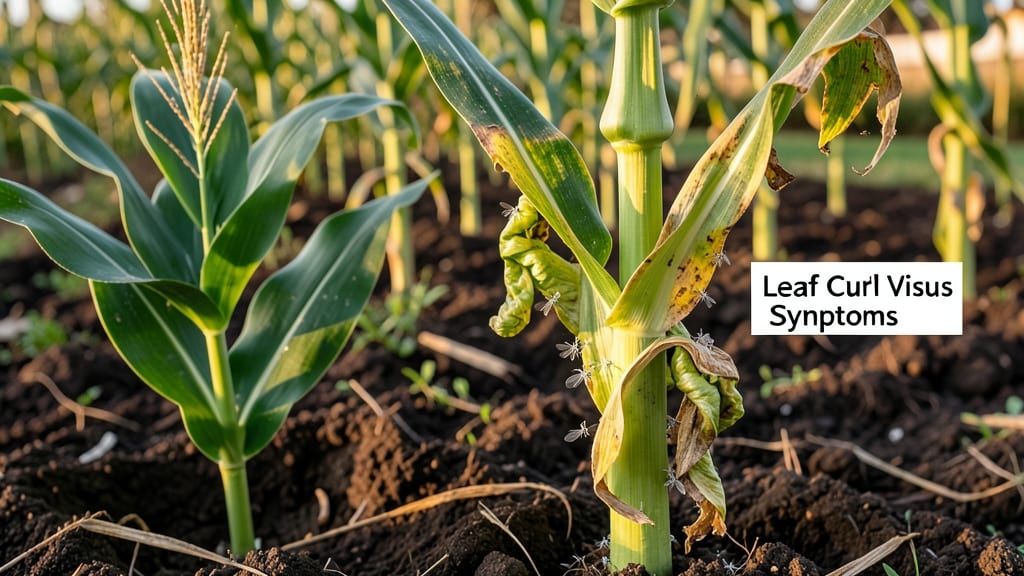
Your corn plants are curling up like pages in a book—this is corn leaf curl, and it’s wreaking havoc on Southern gardens. 🌽 I’ve seen fields go from lush green to scraggly in weeks, but there’s hope: the right tricks can revive your vines and stop the spread before harvest season.
The culprit? A virus spread by leafhoppers, thriving in warm, humid climates. Symptoms start with stunted growth, then twisted leaves that look like they’ve been crumpled by a child’s fist. The good news?
You can fight back with neem oil sprays, resistant varieties, and early sanitation—no fancy tools required. By the time you’re done, your plants will bounce back with straighter leaves and stronger stalks.
The key is acting fast: prune infected foliage, trap those leafhoppers, and choose disease-resistant seeds next season. Trust me, your corn’s future depends on it. This works for sweet corn, field corn, and even ornamental grasses. Let’s turn those curled leaves into a thing of the past.
Root Causes Of Leaf Distortion
Understanding why your corn plants develop curled, stunted, or discolored leaves is the first step to saving your crop. Southern gardeners often battle this issue due to a mix of environmental stressors and tiny, relentless pests.
Let’s break down the science behind the most common culprits—and how they trigger these frustrating symptoms.
---
The most notorious cause of leaf curl in corn is a virus, specifically the Corn Leaf Curl Virus (CLCV) or Maize Chlorotic Mottle Virus (MCMV), both transmitted by corn leaf aphids (Rhopalosiphum maidis). Here’s how it works:
- Aphid Feeding Cycle: These sap-sucking insects inject viral particles into plant tissues while feeding. The virus hijacks the plant’s cellular machinery, disrupting normal growth signals. - Symptom Trigger: The virus causes abnormal cell division in leaf meristems (growth zones), leading to curled, thickened leaves.
In severe cases, stunted growth and reduced yield follow. - Southern Vulnerability: Warmer winters in the South allow aphid populations to thrive year-round, increasing virus spread.
💡 Pro Tip: Scout your plants for tiny green/yellow aphids on undersides of leaves. If you see them, act fast—aphids can multiply exponentially in 7–10 days.
---
Southern summers bring intense heat and fluctuating humidity, which can directly stress corn plants—even without pests. Here’s the science:
- Heat Shock Response: Temperatures above 90°F (32°C) disrupt chlorophyll production, causing leaves to yellow, curl, or develop a "scorched" appearance.
This is especially true for young plants still establishing roots. - Water Deficits: Corn roots are shallow in early growth stages. Inconsistent watering (drought followed by sudden soaking) triggers osmotic stress, forcing leaves to curl inward to conserve moisture. - Soil Compaction: Heavy clay soils common in the South can restrict root expansion, limiting water and nutrient uptake.
Compacted soil also traps heat, worsening stress.
✨ Actionable Fix: Use drip irrigation to deliver water directly to roots, and mulch with straw or pine needles to retain moisture and moderate soil temperature.
---
Corn is a heavy feeder, and Southern soils often lack critical nutrients due to: - Nitrogen Deficiency: Leads to pale, curled leaves (especially older ones) as the plant struggles to produce chlorophyll.
Soil tests often reveal low organic matter in frequently farmed areas. - Magnesium Shortages: Causes interveinal chlorosis (yellowing between leaf veins) and curling, as magnesium is essential for chlorophyll stability.
Sandy soils (common in the Southeast) leach magnesium quickly. - Potassium Deficiency: Weakens cell structure, making leaves brittle and prone to curling. Potassium also regulates water balance—without it, leaves wilt even when soil is moist.
📊 Soil Test Alert: Before planting, test your soil for pH (ideal: 6.0–6.5) and macronutrient levels. Amend with compost, lime (for acidic soil), or Epsom salt (for magnesium) as needed.
--- While less common than viruses, fungal pathogens like Bipolaris maydis (causing gray leaf spot) or bacterial leaf blight (Xanthomonas) can mimic leaf curl symptoms. Here’s how they differ:
| Pathogen | Symptoms | Triggers | |-----------------------|---------------------------------------|---------------------------------------| | Bipolaris maydis | Grayish lesions with yellow halos; leaves curl upward | Overhead irrigation, high humidity | | Xanthomonas | Water-soaked spots that dry to brown; curled, twisted leaves | Wounded leaves, rainy seasons | | Fusarium | Wilting, then curling; vascular discoloration | Compacted, waterlogged soil |
🔥 Prevention Tip: Rotate crops annually to break disease cycles, and avoid overhead watering at dusk (fungi thrive in damp conditions).
--- Southern farmers often rotate corn with cotton, soybeans, or sorghum, which may leave behind residual herbicides.
Common offenders include: - Glyphosate (Roundup): Can cause cupping and curling if applied too close to planting or in high residual soils. - 2,4-D or Dicamba: Drift from these herbicides (used in broadleaf weed control) mimics plant growth regulator (PGR) damage, stunting and curling leaves.
🚫 Solution: Plant corn in herbicide-free zones or use cover crops like rye to break down residues before planting. Always check pre-plant intervals on herbicide labels.
Revitalize Your Corn Leaves Now
If your corn plants are showing signs of curling, yellowing, or stunted growth, don’t panic—there are practical steps you can take to nurse them back to health. The key is acting quickly and addressing the root cause (literally and figuratively).
Below, we’ve broken down cause-specific fixes to help your corn recover, along with prevention tips to keep future crops thriving.
---
If your corn is battling corn leaf curl disease (often caused by viruses like Cucumovirus or bacteria like Clavibacter michiganensis), your focus should be on removal, sanitation, and strengthening plant resilience.
#### 🔥 Step 1: Remove Infected Plants Immediately - Pull out severely curled or stunted plants by the roots to prevent the virus/bacteria from spreading. - Do not compost infected plant material—burn or bag it to avoid reinfection. - Pro Tip: 💡 If only a few plants are affected, culling them early can save the rest of your crop.
#### 🍳 Step 2: Boost Plant Immunity with Organic Amendments Weak plants are more susceptible to pathogens. Strengthen your corn’s defenses with: - Neem oil spray (1 tsp neem oil + 1 tsp mild soap per quart of water) to fight fungal/bacterial growth. - Compost tea or fish emulsion (diluted to 1-2 tbsp per gallon of water) to enhance nutrient uptake. - Silica-rich supplements (like kelp meal) to toughen cell walls against pathogens.
#### 👨🍳 Step 3: Improve Air Circulation & Drainage - Thin out crowded plants to reduce humidity and slow disease spread. - Raise beds or improve soil drainage—waterlogged soil worsens bacterial infections. - Pro Tip: 🌡️ Avoid overhead watering—use drip irrigation to keep foliage dry.
---
If curling is due to poor soil health, pests, or environmental factors, the solution lies in correcting imbalances and protecting your plants.
#### 🔪 Step 1: Test & Amend Your Soil - Get a soil test to check for nitrogen (N), phosphorus (P), potassium (K), and micronutrient deficiencies. - Fix common issues: - Yellowing + curling? → Add iron or magnesium (Epsom salt spray: 1 tbsp per gallon). - Stunted growth? → Boost nitrogen (blood meal or fish emulsion). - Purple undersides? → Increase phosphorus (bone meal). - Pro Tip: ✨ Mulch with compost to slowly release nutrients and retain moisture.
#### ⏰ Step 2: Shield Plants from Pests & Heat Stress - Handpick or spray off aphids (common vectors for viral leaf curl) with soapy water or insecticidal soap. - Use shade cloth in extreme heat (100°F+ can cause curling). - Water deeply in the morning to reduce heat stress and prevent wilting.
#### 🌿 Step 3: Rotate Crops & Avoid Reinfection - Never plant corn in the same spot two years in a row—rotate with legumes (beans, peas) to break disease cycles. - Solarize soil (cover with clear plastic for 4-6 weeks in summer) to kill pathogens before replanting.
---
Once your corn is back on track, keep these habits to prevent recurring issues:
✅ 💡 Start with disease-resistant varieties (e.g., ‘Silver Queen’ or ‘Bodacious’ for better curl resistance). ✅ 🔥 Plant at the right time—avoid early spring or late summer when pests/viruses thrive. ✅ 🎯 Use row covers in early growth stages to block insect vectors. ✅ 🥗 Maintain clean tools—sterilize pruners with rubbing alcohol between plants. ✅ 🌱 Interplant with marigolds or basil—they repel pests naturally.
--- By tackling the specific cause of your corn’s leaf curl and strengthening plant health proactively, you’ll give your garden a fighting chance for a bountiful, disease-free harvest. 🌽✨
Frequently asked questions
What are the first signs of corn leaf curl I should watch for?
Look for tiny, crinkled leaves on new growth, often accompanied by yellowing or reddening between veins. Early symptoms also include stunted stalks and thickened, upward-curling leaf edges—these appear within 2-3 weeks of infection. Check undersides of leaves for tiny aphids, the main spreaders.
Can I save my corn plants if they already have leaf curl?
For mild cases, prune infected leaves immediately and apply neem oil spray (1 tsp per quart of water) every 7-10 days to slow spread. If more than 20% of plants show severe curling, remove them entirely—viruses have no cure, and saving the rest depends on early action. Focus on healthy plants and soil improvements.
Why does leaf curl happen more in Southern gardens?
Southern climates create the perfect storm: warm winters let aphids survive year-round, high humidity speeds virus spread, and intense heat weakens plants. Plus, heavy clay soils common in the region trap moisture, creating ideal conditions for fungal mimics of leaf curl. Rotating crops and drip irrigation help break this cycle.
Are there corn varieties that resist leaf curl?
Yes! Look for hybrid varieties labeled as disease-resistant, like 'Silver Queen' or 'Bodacious'. These are bred to tolerate Corn Leaf Curl Virus (CLCV) better. For organic gardens, open-pollinated varieties like 'Country Gentleman' often show natural resilience. Always check seed packets for "CLCu" resistance codes.
Will chemical pesticides help with leaf curl?
Chemical pesticides won't cure viral leaf curl, but they can reduce aphid populations that spread it. Use systemic insecticides like imidacloprid (follow label rates) only as a last resort—overuse harms beneficial insects. For organic gardens, kaolin clay sprays or pyrethrin-based insecticides work better while protecting pollinators.