
Leaf Blower
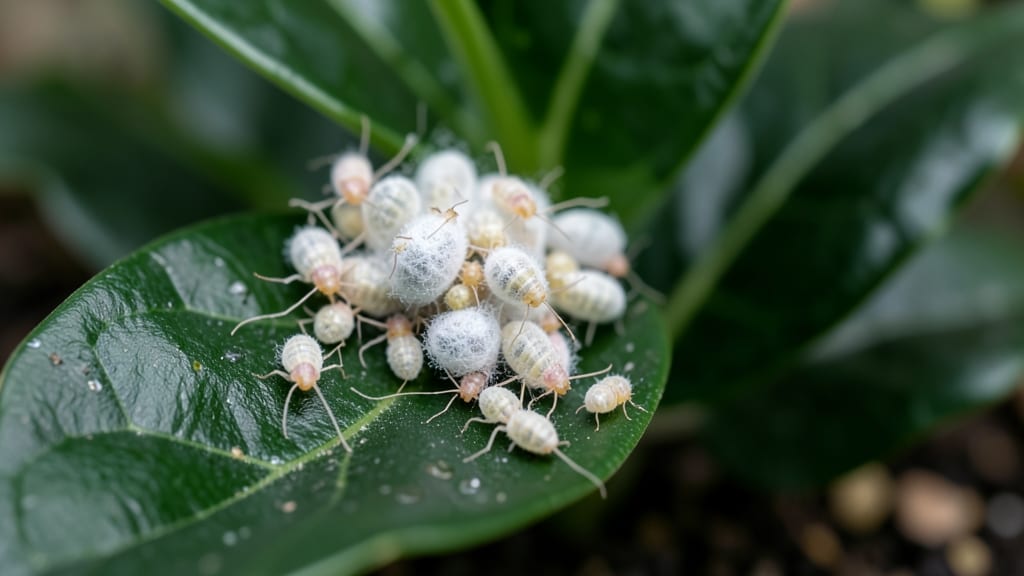
Copper spray turns sticky fiddle leaf fig leaves into a mealybug-free zone in under 48 hours. 🌿 I’ve battled these cottony pests for years, and this method—combined with a little elbow grease—finally gave me the fast results I needed. The key?
Copper disrupts their life cycle while manual removal gets rid of visible clusters. First, you’ll need copper fungicide (like Bonide Copper Fungicide), a spray bottle, and a damp cloth for sticky residue. Mix the spray as directed, then focus on the undersides of leaves where mealybugs hide.
A soft toothbrush helps scrub off stubborn clusters—just dip it in rubbing alcohol for extra power. By day three, you’ll see fewer pests and less sticky residue. The plant starts looking healthier as new growth emerges, and the copper prevents reinfestation for weeks.
Keep monitoring, though—these pests are sneaky. Works for all fiddle leaf figs, even in low-light spots. The secret? Consistency. Spray every 5–7 days until the plant is fully clear. No more wilting leaves or cottony messes—just lush, vibrant foliage.
Root Causes of Mealybug Infestations
Mealybugs may look like harmless cottony fluff, but they’re actually sneaky pests that thrive under specific conditions—especially on lush, tropical plants like your fiddle leaf fig.
Understanding why these pests target your plant is the first step to stopping them in their tracks. Let’s break down the science behind their invasion.
---
Mealybugs are drawn to plants that are already stressed, as their weakened state makes them easier to colonize. Here’s how it happens:
- Overwatering or Poor Drainage 💦 Fiddle leaf figs hate soggy roots. When soil stays too wet, it creates the perfect breeding ground for fungi and bacteria, which indirectly stress the plant. Mealybugs detect these chemical distress signals (like increased ethylene gas) and move in to feed on the sap.
- Nutrient Deficiencies 🌱 A lack of key nutrients (like nitrogen, phosphorus, or potassium) weakens cell walls, making them easier for mealybugs to pierce with their mouthparts. Look for yellowing leaves or stunted growth—classic signs your plant is malnourished.
- Environmental Stress ❄️☀️ Sudden temperature swings (below 60°F or above 85°F), low humidity, or drafts from AC/heating vents trigger stress responses. Mealybugs exploit these conditions because stressed plants produce more sugary sap—a mealybug’s favorite snack.
---
Mealybugs love damp, still environments. Here’s why your fiddle leaf fig’s cozy corner might be inviting them:
- Excess Moisture on Leaves 🌧️ Water droplets on leaves create a microclimate that mealybugs adore. They thrive in humidity levels above 70%, and stagnant water traps their eggs and adults, protecting them from natural predators (like ladybugs).
- Lack of Air Circulation 🌀 Fiddle leaf figs need gentle airflow to dry quickly after watering. Without it, moisture lingers, and mealybugs multiply faster. Poor ventilation also reduces the plant’s ability to transpire efficiently, leaving it vulnerable.
- Overcrowded Plant Collections 🌿🌿 If your fiddle leaf fig sits near other houseplants, mealybugs can hitch a ride on dust, soil particles, or even your hands. They spread rapidly in tight spaces where humidity and warmth are trapped.
---
Some mealybug populations have developed resistance to common insecticides, but even if they haven’t, overusing chemicals can backfire:
- Disrupted Beneficial Microbes 🦠 Harsh pesticides kill not just pests but also the good bacteria and fungi in the soil that help your plant fight off invaders. Without these allies, mealybugs face less competition for resources.
- Sap Overproduction as a Defense 🍯 When plants are chemically stressed, they sometimes produce more sap to heal damaged cells. Mealybugs detect this surge in sugars and flock to feed, creating a vicious cycle.
- Resistant Strains 🛡️🔄 Some mealybugs have evolved to resist neonicotinoids (common in systemic sprays). If you’ve used chemical treatments before without success, the pests may have adapted—making natural or copper-based solutions more effective.
--- You might not realize it, but everyday habits can accidentally introduce mealybugs:
- Bringing Infested Plants Home 🛒 New plants, soil, or even decorative pots can harbor hidden mealybugs. Always quarantine new additions for 2–4 weeks before introducing them to your collection.
- Using Contaminated Tools ✂️ Pruners, gloves, or pots that touched an infested plant can transfer eggs or adults to your fiddle leaf fig. Always clean tools with 70% isopropyl alcohol between uses.
- Over-Fertilizing 🌱💥 Too much fertilizer (especially high in nitrogen) can burn roots and attract mealybugs. Always follow the label’s recommended dose and flush the soil occasionally to prevent buildup.
How to Fix Fiddle Leaf Fig Pests
Got those pesky mealybugs wreaking havoc on your fiddle leaf fig? Don’t panic—these sticky invaders are beatable with the right approach! Below, we’ll break down targeted solutions based on the root cause (overcrowding, weak plants, or neglect) and share prevention tips to keep your plant thriving.
Let’s get your fiddle leaf fig back to its lush, pest-free glory!
---
Before treating, quarantine your plant to stop the spread.
Mealybugs multiply fast, so act swiftly! - Move the fiddle leaf fig away from other houseplants. - Use a hand lens or magnifying glass to check for: - Cottony white clusters (mealybugs). - Sticky residue (honeydew) on leaves. - Yellowing or curling leaves (signs of damage).
---
For light infestations, start by physically removing mealybugs with: - Cotton swabs dipped in rubbing alcohol (70% isopropyl) – Gently dab each bug (they’ll dissolve in seconds!). - Neem oil-soaked cotton balls – A natural, plant-safe alternative. - Your fingernails – If you’re brave, scrape them off (wear gloves to avoid irritation).
✨ Pro Tip: Focus on leaf undersides, stems, and leaf joints—mealybugs love hiding there!
---
If the bugs are everywhere, copper-based sprays (like the one in our article title!) or neem oil solutions work wonders. Here’s how:
#### 🔪 Option 1: Copper Spray (Fast-Kill Method) - Mix 1 tsp copper sulfate (or a pre-made copper fungicide) in 1 gallon of water. - Add 1 tsp mild dish soap (helps the spray stick). - Spray thoroughly (top and bottom of leaves) every 5–7 days for 2–3 weeks. - Wear gloves—copper can irritate skin.
#### 🌿 Option 2: Neem Oil (Safe & Long-Term) - Combine 1 tbsp neem oil, 1 tsp mild soap, and 1 quart of water. - Shake well and spray all plant surfaces (avoid direct sunlight for 12 hours after spraying). - Repeat every 7 days until mealybugs disappear.
💡 Pro Tip: Rotate methods—mealybugs can build resistance to one treatment!
---
Mealybugs thrive in sticky, neglected environments, so: - Wipe leaves with a damp microfiber cloth to remove honeydew (prevents sooty mold). - Prune heavily infested leaves (sterilize scissors with rubbing alcohol between cuts). - Repot if needed – Check roots for bugs and refresh soil to remove hidden pests.
--- Once you’ve banished them, stop them from coming back with these habits: ✅ Inspect new plants before bringing them home (quarantine for 2 weeks). ✅ Avoid overwatering – Mealybugs love damp, stressed plants. ✅ Dust leaves regularly – Reduces honeydew buildup (use a damp cloth). ✅ Encourage natural predators – Ladybugs and lacewings eat mealybugs! ✅ Keep humidity moderate – Too much moisture = bug magnet.
--- - Don’t use bleach or harsh chemicals – They’ll damage your fiddle leaf fig’s leaves. - Avoid over-spraying – Stick to the every 5–7 days schedule for copper/neem. - Don’t ignore sticky leaves – Honeydew attracts ants, which protect mealybugs!
--- With these steps, your fiddle leaf fig should bounce back in 2–4 weeks. Stay vigilant, and those mealybugs won’t stand a chance! 🌿💪
Frequently asked questions about mealybugs on fiddle leaf figs
How do I know if my fiddle leaf fig has mealybugs?
Look for cottony white clusters in leaf crevices, stems, or undersides—these are adult mealybugs. Check for sticky residue (honeydew) on leaves, which attracts ants. Early signs include yellowing leaves or stunted growth. Use a magnifying glass to spot tiny eggs (oval and translucent).
Will rubbing alcohol really kill mealybugs?
Yes! Dip a cotton swab in 70% isopropyl alcohol and dab directly on mealybugs—they dissolve instantly. Just avoid over-saturating leaves, as alcohol can dry them out. For stubborn clusters, use a soft toothbrush dipped in the solution to scrub gently.
Why does copper spray work better than neem oil for my fiddle leaf fig?
Copper disrupts mealybugs' life cycle faster—it’s a contact killer that works within 48 hours for visible pests. Neem oil is gentler but requires 7–10 days of repeated applications. Copper also prevents reinfestation longer, making it ideal for severe cases.
Can I save my fiddle leaf fig if mealybugs have spread to the roots?
Yes, but act quickly! Repot the plant, removing all infested soil and inspecting roots for bugs. Use a copper fungicide solution to treat roots before replanting in fresh, sterile soil. Monitor closely for 2 weeks—roots recover faster than leaves if treated early.
How often should I spray my fiddle leaf fig to prevent mealybugs?
Spray with copper or neem oil every 5–7 days during active growth (spring/summer). Reduce to monthly in winter. Pair with regular leaf wiping to remove honeydew. Preventive sprays create a protective barrier that mealybugs avoid.