
Pruning
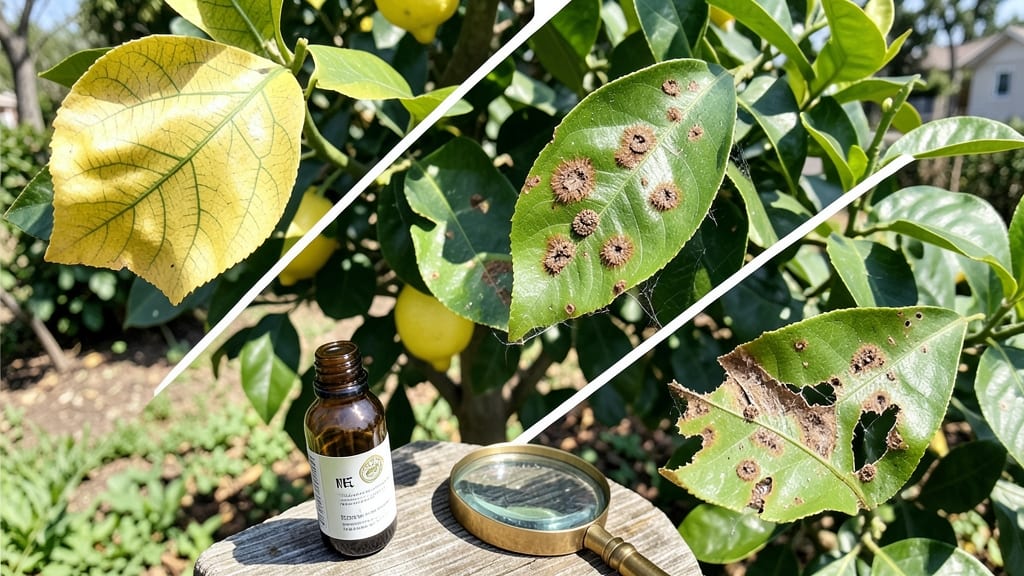
Your citrus tree’s leaf problems are screaming for help—browning edges, yellow patches, or mysterious spots that ruin the glossy green you love. 🌿 I’ve turned my own struggling Meyer lemon into a thriving plant by fixing these exact issues, and the solutions are simpler than you’d think, without harsh chemicals.
The real culprits are often humidity mismatches, nutrient imbalances, or pests hiding on the undersides of leaves. My tree’s yellowing started after I moved it indoors for winter—turns out, citrus hate dry air.
Spots? Usually fungal infections from overwatering or poor airflow. The key is matching care to your tree’s needs year-round.
Within 2-4 weeks of targeted fixes, you’ll see fresh green leaves pushing out. I’ll show you how to diagnose each problem by leaf pattern, then use organic sprays, pruning tricks, and soil tweaks to bring your tree back to life.
No guesswork—just proven fixes that work for lemons, oranges, and grapefruits alike.
Works for container-grown trees or in-ground plants, whether you’re in a humid zone or a dry climate. Let’s get those leaves looking vibrant again—no degree in horticulture required.
Root Causes Behind Leaf Troubles
When your citrus tree’s leaves start showing distress—whether it’s yellowing, browning, or mysterious spots—it’s often a cry for help from the tree itself. Understanding the why behind these issues is the first step to restoring your tree’s health.
Below, we break down the most common culprits, explained in scientific (but easy-to-digest) terms, so you can diagnose and act fast.
Citrus trees thrive in warm climates, but extremes—whether too hot, too cold, or sudden shifts—can trigger leaf problems. Here’s how:
- Cold Damage:
Citrus trees are evergreen, meaning they’re adapted to mild winters. When temperatures dip below 28°F (-2°C), cellular damage occurs. Cold stress causes:
- Brown or blackened leaf edges (from freezing injury)
- Yellowing between veins (chlorosis, due to disrupted nutrient uptake)
- Wilting or crispy leaves (desiccation from frozen water in cells)
- Heat & Sunburn:
While citrus loves sun, intense afternoon heat (especially in dry climates) can scorch leaves. Look for:
- Browned, papery patches (like sunburn on human skin)
- Leaves curling upward to reduce exposure
- Windburn:
Strong, dry winds strip moisture from leaves, causing abrasion and brown, ragged edges. This is common in coastal areas where salt spray adds to the stress.
💡 Pro Tip: If your tree is in a microclimate (e.g., near a heat-reflecting wall or cold air pocket), it’s more vulnerable. Use windbreaks or mulch to buffer extremes.
Water is the lifeblood of citrus trees, but imbalances lead to leaf problems faster than you’d think. Here’s how:
| Issue | Leaf Symptoms | Why It Happens |
|---|---|---|
| Overwatering |
|
Citrus roots need aeration. Overwatering suffocates them, blocking oxygen and promoting anaerobic bacteria. The tree can’t absorb nutrients, leading to chlorosis (yellowing). |
| Underwatering |
|
Citrus trees prefer consistent moisture but hate soggy soil. Underwatering causes plasmolysis—when plant cells lose water and shrink, leading to leaf desiccation. |
| Salt Buildup |
|
In coastal areas or with fertilizer overuse, salts accumulate in the soil, making it hard for roots to absorb water. This causes osmotic stress, where the tree “starves” for hydration. |
🎯 Fix It: Test your soil’s moisture by sticking your finger 2–3 inches deep. If it’s dry, water deeply; if it’s soggy, hold off until the top 1–2 inches are dry. Drip irrigation (not overhead watering) prevents salt buildup.
Tiny invaders and microbes often fly under the radar until your tree’s leaves start screaming for help. Here’s what’s likely hiding in the damage:
- Fungal Infections (e.g., Melanose, Scab):
Fungi thrive in humid, warm conditions and attack citrus leaves with:
- Dark, tar-like spots (melanose)
- Raised, scabby lesions (scab disease)
- Premature leaf drop
Why it happens: Fungal spores land on leaves, germinate in moisture, and penetrate through stomata (leaf pores). Poor air circulation or overhead watering worsens outbreaks.
- Bacterial Infections (e.g., Citrus Canker):
Look for:
- Water-soaked, yellow-haloed spots that ooze
- Leaf distortion or blister-like pustules
Why it happens: Bacteria like Xanthomonas enter through wounds (e.g., pruning cuts) or natural openings. They multiply in warm, wet conditions, clogging leaf tissues and blocking photosynthesis.
- Pests (e.g., Citrus Leaf Miner, Scale Insects, Aphids):
These critters cause:
- Leaf miners: Serpentine white trails under leaves (larvae feeding)
- Scale insects: Sticky honeydew and black sooty mold on leaves
- Aphids: Curled, sticky leaves with mottled yellowing
Why it happens: Pests sap-suck or lay eggs in leaves, disrupting nutrient flow. Their waste (honeydew) fosters sooty mold, which blocks sunlight and smothers leaves.
🔥 Preventative Tip: Prune for airflow, sterilize tools with rubbing alcohol, and inspect leaves weekly (especially undersides). Neem oil or copper fungicides can preempt fungal/bacterial outbreaks.
Citrus trees are heavy feeders, and deficiencies show up in leaves before other symptoms. Here’s how to read their “hunger signs”:
| Nutrient |
|---|
| Problem | Fix | Prevention |
|---|---|---|
| Browning edges | Adjust watering + shade | Mulch, deep watering |
| Fungal spots | Fungicide + prune debris | Clean up, improve airflow |
| Yellow leaves | Check water + fertilize | Pest control, balanced feeding |
With these fixes, your citrus tree should bounce back—and stay leafy, lush, and productive for years! 🍋🌟
Frequently asked questions
Why are my citrus leaves turning yellow but staying green along the veins?
This classic pattern signals iron deficiency (chlorosis), common in alkaline soils. Citrus trees struggle to absorb iron when soil pH is too high. Try spraying chelated iron or Epsom salt solution (1 tbsp per gallon) on leaves every 2 weeks until new growth appears. For container trees, repot with acidic soil mix (pH 6.0-6.5).
Can I save my citrus tree if the leaves are covered in black spots?
Yes, but act fast! Those spots are likely melanose fungus, which thrives in humid conditions. Prune infected branches with sterilized shears, then apply copper fungicide (like Copper Soap) every 7-10 days for 3 weeks. Improve airflow by thinning dense foliage and avoid overhead watering. Most trees recover fully with consistent treatment.
What's the fastest way to fix crispy brown edges on citrus leaves?
Brown edges usually mean underwatering or salt buildup. Flush the soil with 3-4 gallons of water to leach out salts, then adjust your routine: water deeply once a week (more in heat) and use rainwater or filtered water instead of tap. For container trees, check drainage holes—clogged pots trap excess salts. Results appear in 1-2 weeks.
Are citrus leaf problems contagious to other plants?
Some are! Fungal diseases like melanose or scab can spread via spores, while pests like scale insects may jump to nearby plants. Isolate infected trees immediately and clean tools with 70% rubbing alcohol between uses. Remove all fallen leaves from the area to prevent reinfection. Healthy plants nearby are safe if you catch issues early.
How long does it take to see improvement after treating leaf problems?
Timing varies by issue: watering adjustments show results in 1-2 weeks, while nutrient deficiencies take 4-6 weeks for full recovery. Fungal treatments require 2-3 applications (every 7-10 days) before new growth appears. Monitor progress by checking new leaf growth—healthy leaves mean your fixes are working!