
Leaf Blower
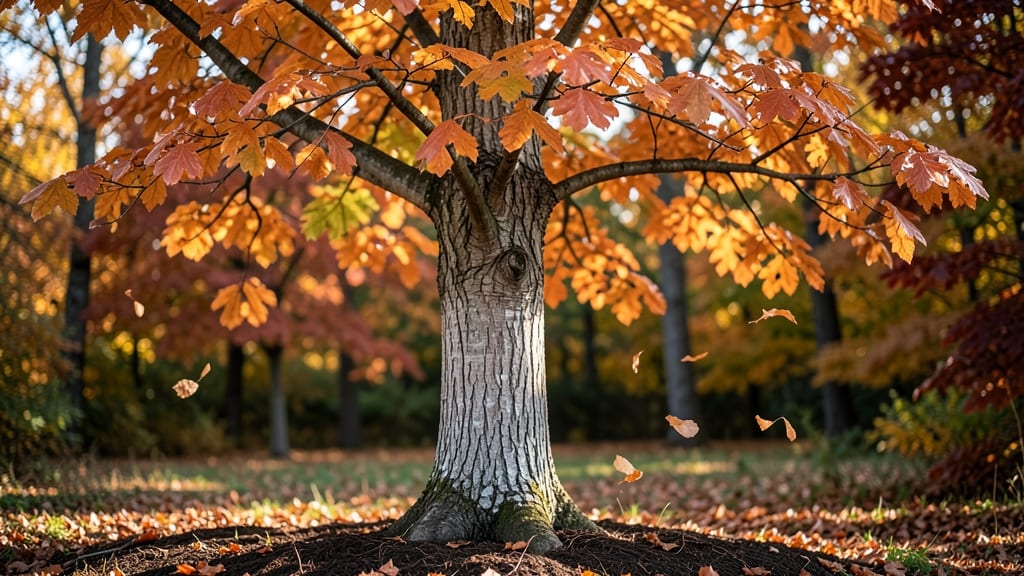
Identifying fall leaf patterns starts with recognizing their unique shapes—from maple's star-like lobes to sweetgum's feathery fronds—while paying attention to vein structures and edge details that create their signature autumnal colors. Mastering these five distinct types (oak, maple, birch, ginkgo, sweetgum) unlocks creative possibilities for gardening and seasonal crafts.
Understanding these patterns goes beyond aesthetics—it reveals how each leaf's architecture influences its fall color transformation. 🍂 For example, oak leaves with their deep lobes hold onto vibrant reds longer than smooth-edged birch leaves, which fade more quickly.
I've found that studying these differences helps gardeners select plants that will create dramatic seasonal displays, especially when combining textures like spiky sweetgum with soft ginkgo fronds. The key is matching leaf shapes to your design goals, whether you're creating a natural woodland effect or bold autumnal borders.
This knowledge also translates perfectly into craft projects. When dyeing fabric or making leaf prints, replicating these natural patterns requires attention to both the leaf's overall shape and its finer details—like the way maple veins create intricate web-like patterns.
For gardeners, it means choosing companion plants that echo these autumnal shapes, creating cohesive seasonal transitions in your landscape.
💡 In This Article
- How Leaf Vein Patterns and Edges Define Fall Colors
- Creative Ways to Replicate Fall Leaf Patterns in Landscaping
How leaf vein patterns and edges define fall colors
Leaf architecture plays a crucial role in determining both shape and autumn color intensity. The vein patterns—whether palmate (like maple leaves radiating from a central point) or pinnate (like oak leaves with parallel veins branching out)—direct how nutrients and pigments distribute.
Palmate leaves, for instance, create dramatic star-like patterns that hold vibrant reds longer because their concentrated veins create natural "pockets" where anthocyanins (fall pigments) accumulate. 🍁 This is why sugar maple leaves turn such brilliant crimson—their lobed structure traps more light, accelerating pigment production.
Edge serration also impacts color durability. Leaves with jagged or lobed edges (like sweetgum or oak) have more surface area for pigment exposure, creating bold gradients from deep red centers to yellow-green edges. Smooth-edged leaves (birch or ginkgo) fade more uniformly because their simpler shapes allow even light distribution.
The science here involves chlorophyll breakdown: as green pigments degrade in autumn, the underlying carotenoids (yellows) and anthocyanins (reds) become visible, but their intensity depends on how the leaf's structure preserves these compounds.
Consider the ginkgo's unique parallel venation—its fan-shaped leaves with evenly spaced veins create a uniform yellow that lasts weeks longer than lobed leaves.
This happens because the parallel structure creates a "self-shading" effect where pigments degrade at consistent rates across the leaf surface. 🌿 In contrast, maple's lobed edges create microclimates where moisture retention varies, leading to the patchy red-and-yellow patterns we admire.
These structural differences explain why some leaves blaze with color for weeks while others fade in days.
For gardeners, understanding these patterns means selecting plants that will create visual impact. Pairing deep-lobed oaks (which hold reds) with smooth-edged birches (golden yellows) creates striking autumn borders. The key is matching leaf shapes to your design goals—spiky sweetgum fronds add texture, while ginkgo's delicate fans soften the look.
Even in containers, these patterns influence how light filters through foliage, affecting both color and shadow play.
Here's a quick comparison of how structure affects color:
- Oak leaves: Deep lobes create bold red centers with yellow edges (high surface area = intense color)
- Maple leaves: Star-shaped lobes trap light, producing dramatic reds with crisp white veins
- Birch leaves: Smooth edges fade uniformly to golden yellow (low surface area = gradual change)
- Ginkgo leaves: Parallel veins create even yellow (self-shading preserves color)
- Sweetgum leaves: Feathery edges create patchy reds and yellows (irregular structure = varied fading)
What most gardeners don't realize is that these patterns also influence leaf longevity. Lobed leaves (like maple) often fall earlier because their complex shapes create stress points where wind and moisture accelerate decay.
Smooth leaves (birch) tend to cling longer, making them ideal for seasonal interest. This structural durability explains why some trees maintain their autumn display for weeks while others drop leaves within days. 🍂