
Pests
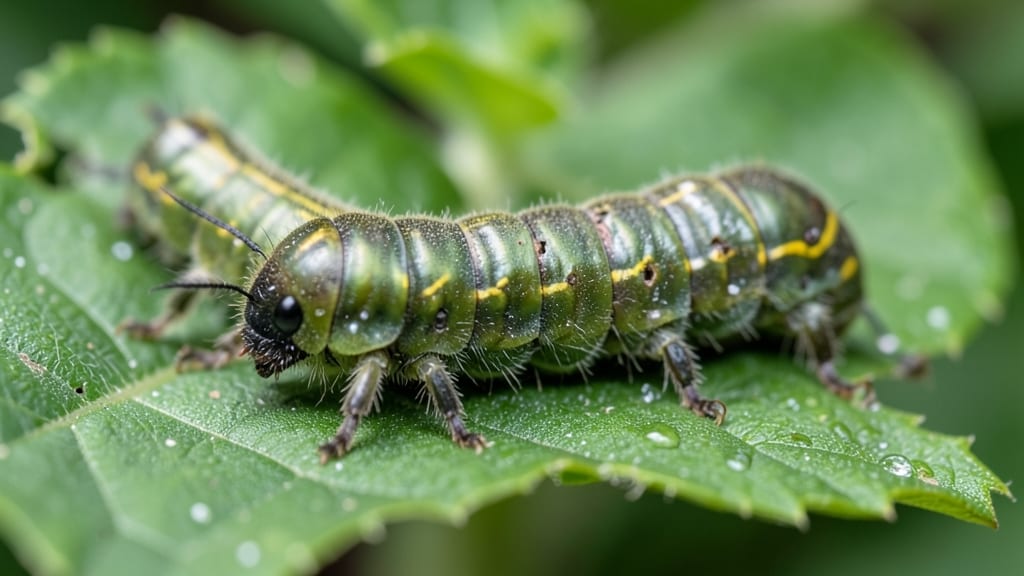
Caterpillars on a leaf mean your plants are catering to nature's next generation—literally. 🌿 I've watched these fuzzy munchers turn vibrant foliage into skeleton leaves, but there's no need to panic or reach for harsh chemicals. The key is removing them without disrupting the delicate balance of your garden ecosystem.
Most caterpillars—like tomato hornworms or cabbage loopers—are actually beneficial predators as adults (think butterflies and moths). The damage happens fast, though, so act quickly with simple methods: handpick them into soapy water, use a strong spray of water from the hose, or introduce natural predators like parasitic wasps.
These solutions work within 24-48 hours for minor infestations.
You'll end up with plants that stay lush and healthy while still supporting pollinators and beneficial insects. The caterpillars move on to other areas, leaving your garden's beauty intact. Plus, you'll learn to spot early signs—like chewed edges or silken webs—before they become a full-blown problem.
This approach works for vegetable gardens, ornamental plants, and even houseplants brought outside for the summer. The secret is timing and observation—just like checking your soil moisture before watering, you'll develop a rhythm that keeps your garden thriving without unnecessary interventions.
The Hidden Triggers Behind Leaf Munchers
When you spot chewed leaves or tiny caterpillars feasting on your plants, it’s rarely just bad luck—there’s usually a reason behind their sudden appearance. Understanding these triggers helps you act faster and protect your garden naturally. Below, we break down the most common causes, from environmental cues to plant vulnerabilities.
Healthy plants are less appealing to caterpillars, but stress signals—like poor nutrition, disease, or damage—make them prime targets. Here’s why:
- Nutrient Deficiencies: Plants lacking nitrogen (a key protein source) produce softer, more palatable leaves. Caterpillars detect these deficiencies and zero in on them. Actionable fix: Test soil pH and amend with compost or organic fertilizers like fish emulsion.
- Water Stress: Overwatered or drought-stressed plants release volatile organic compounds (VOCs) that attract pests, including caterpillar predators’ prey. Actionable fix: Water deeply but infrequently (1–2 inches per week) to encourage root strength.
- Prior Damage: Wounds from pruning, hail, or other pests create entry points. Caterpillars exploit these spots to lay eggs or feed. Actionable fix: Seal cuts with pruning paste and remove heavily damaged foliage.
Caterpillars don’t just appear randomly—they follow nature’s calendar. Timing and weather play huge roles:
| Factor | Why It Attracts Caterpillars | What to Do |
|---|---|---|
| 🌞 Warm Springs | Rapid plant growth in spring triggers egg-laying. Many moth species time their cycles to this surge. | Monitor plants closely in April–June and use row covers for high-risk species (e.g., tomato hornworms). |
| 🌧️ High Humidity | Moisture helps caterpillar eggs hatch faster and keeps newly hatched larvae hydrated. | Improve airflow with pruning or drip irrigation (avoid overhead watering). |
| 🍂 Fall Leaf Litter | Decaying leaves provide shelter for overwintering pupae (e.g., cabbage butterflies). | Rake up debris in autumn and store firewood away from plants. |
Female moths and butterflies don’t lay eggs randomly—they choose plants based on scent, texture, and even chemical signals. Here’s what makes your garden a caterpillar buffet:
- Host Plant Preferences: Caterpillars are picky eaters! For example:
- Tomato hornworms target Solanaceae (tomatoes, peppers, eggplants).
- Gypsy moths prefer oaks and fruit trees.
- Imported cabbage worms love Brassica (kale, broccoli, cabbage).
- Scent Trails: Damaged plants release ethylene gas, which moths detect from miles away. Actionable fix: Remove infested leaves immediately to break the scent chain.
- Smooth, Hairless Leaves: Caterpillars avoid fuzzy or tough leaves (e.g., lamb’s ear). They prefer glabrous (smooth) varieties like basil or lettuce.
Sometimes, we accidentally invite caterpillars by altering their habitat. Here’s how:
- Monoculture Gardens: Planting large blocks of the same crop (e.g., a vegetable patch) creates a caterpillar smorgasbord. Actionable fix: Interplant with trap crops (e.g., nasturtiums for squash vine borers) or companion plants (e.g., marigolds to repel moths).
- Pesticide Overuse: Broad-spectrum sprays kill natural predators (ladybugs, parasitic wasps), leaving caterpillars unchecked. Actionable fix: Use selective sprays like Bt (Bacillus thuringiensis) or introduce beneficial insects.
- Urbanization Edge Effects: Gardens near wooded areas or fields attract migrating moths. Actionable fix: Create a 10-foot barrier of non-host plants (e.g., lavender, rosemary) along property edges.
💡 Pro Tip: Keep a pest journal to track when and where caterpillars appear. Note weather patterns, plant varieties, and treatments—this helps you predict and prevent future outbreaks!
Practical Ways to Remove Leaf Munchers
Got hungry caterpillars devouring your plants? 🍃 Don’t panic—there are gentle, organic solutions to evict them without harming your garden. Below, we break down cause-based fixes, from quick fixes to long-term prevention, so your leaves stay intact and your plants thrive.
If you’ve spotted caterpillars mid-meal, remove them immediately to stop further damage. Here’s how:
🔥 Manual Removal (Best for Small Infestations)
- 👨🍳 Pick Them Off: Wear gloves and pluck caterpillars by hand, dropping them into soapy water (1 tbsp dish soap per gallon) to kill them instantly.
- 🕷️ Use a Shop Vac: For larger leaves, suck them up with a vacuum—this works well for tent caterpillars or loopers hiding in clusters.
- 🌿 Shake Them Off: Gently shake infested branches over a bucket of soapy water to dislodge eggs and larvae.
🍳 Natural Traps (Low-Effort Control)
- 🥘 Beer Traps: Fill a shallow dish with beer and bury it near plants—caterpillars (and slugs) will crawl in and drown.
- 🍎 Apple Cider Vinegar Spray: Mix 1 tbsp ACV with 1 quart water in a spray bottle.
Lightly mist leaves (avoid direct sun) to deter feeding.
🔪 Organic Sprays (For Stubborn Pests)
If manual removal isn’t enough, try these plant-safe sprays:
- 🌿 Neem Oil Solution:
- Mix 1 tbsp neem oil + 1 tsp mild soap + 1 quart water.
- Spray early morning or late evening (avoid flowering plants to protect pollinators).
- Reapply every 5–7 days until pests vanish.
- 🍋 Citrus Peel Spray:
- Blend peels of 2 lemons + 1 quart water, strain, and spray on leaves.
- Caterpillars dislike the scent—reapply weekly.
- 🌶️ Hot Pepper Spray (For Heavy Infestations):
- Blend 2–3 hot peppers + 1 quart water, strain, and add 1 tsp soap.
- Spray directly on caterpillars (not flowers).
Wear gloves!
✨ Pro Tip: Always test sprays on a small leaf area first to ensure no damage to sensitive plants.
Stop caterpillars before they start with these easy prevention tactics:
💡 Garden Hygiene (Break the Cycle)
- 🍂 Remove Debris: Clear fallen leaves, old mulch, and plant waste where eggs may hide.
- 🌿 Prune Regularly: Trim dead or damaged branches to reduce hiding spots for larvae.
- 🌱 Rotate Plants: Avoid planting the same species year after year in the same spot (caterpillars target familiar hosts).
🎯 Attract Natural Predators (Free Pest Control!)
Encourage caterpillar-eating allies to move into your garden:
- 🐞 Ladybugs & Lacewings: Plant dill, fennel, or marigolds to attract them.
- 🦋 Birds & Bats: Install a birdhouse or bat box—they love munching caterpillars!
- 🐸 Frogs & Toads: Keep a small pond or shallow water dish to invite them.
🌡️ Barrier Methods (Physical Defense)
- 🧶 Row Covers: Use floating row covers over young plants to block egg-laying moths.
- 🥄 Diatomaceous Earth (DE): Sprinkle food-grade DE around plant bases—it dehydrates caterpillars without chemicals.
- 🍎 Aluminum Foil Collars: Wrap foil around tree trunks to stop sawfly larvae from crawling up.
If caterpillars keep returning despite your efforts, consider:
- 🐛 Beneficial Nematodes: Microscopic worms that paralyze and kill caterpillars in the soil (great for cutworms).
- 🍄 Bacillus Thuringiensis (Bt): A natural bacteria that targets caterpillars’ digestive systems—safe for humans and pets.
- 🌿 Professional Help: For large-scale infestations (like gypsy moths), contact a local organic pest control service.
Remember: Patience is key—some methods take 1–2 weeks to show results. Monitor your plants daily and adjust tactics as needed. With these chemical-free strategies, your leaves will stay lush, and your garden will stay caterpillar-free! 🌿✨
Frequently asked questions
Are all caterpillars harmful to my plants?
Not at all! Many caterpillars become beautiful butterflies or moths, and only a few species cause significant damage. For example, tomato hornworms and cabbage loopers are notorious leaf munchers, but their adult forms (like the stunning five-spotted hawk moth) are harmless pollinators. Focus on removing only the destructive species while leaving beneficial ones alone.
How do I tell if caterpillars are damaging my plants or just natural decomposition?
Look for these signs: clean, jagged edges on leaves (not the gradual browning of decay) and silken webs or frass (tiny black droppings) on foliage. Healthy plants shed older leaves naturally, but caterpillars target fresh growth. Check the undersides of leaves too—eggs or tiny larvae often hide there before becoming visible.
Can I use dish soap to kill caterpillars, and will it harm my plants?
Yes, but use it carefully! Mix 1 tablespoon of mild dish soap with 1 quart of water and spray directly on caterpillars (not the entire plant). This method suffocates them without chemicals. Avoid spraying flowering plants during bloom times to protect pollinators. For sensitive plants, test a small leaf area first—some varieties may develop brown spots.
What should I do if caterpillars keep coming back after I remove them?
Persistent caterpillars usually mean eggs are still hiding nearby. Check under leaves, in soil crevices, and along stems for egg clusters. Implement preventive measures like neem oil sprays (every 5-7 days) or introduce natural predators like parasitic wasps. For severe cases, try Bacillus thuringiensis (Bt), a bacteria that targets caterpillars' digestive systems without harming other insects.
Are there any caterpillars that actually help my garden?
Some caterpillars become beneficial predators as adults. For example, the lacewing and praying mantis start as caterpillar-like larvae that devour aphids and other pests. Others, like the swallowtail butterfly caterpillar, help pollinate while young. Preserve these species by avoiding broad-spectrum pesticides and providing diverse plant habitats in your garden.