
Pests and Diseases
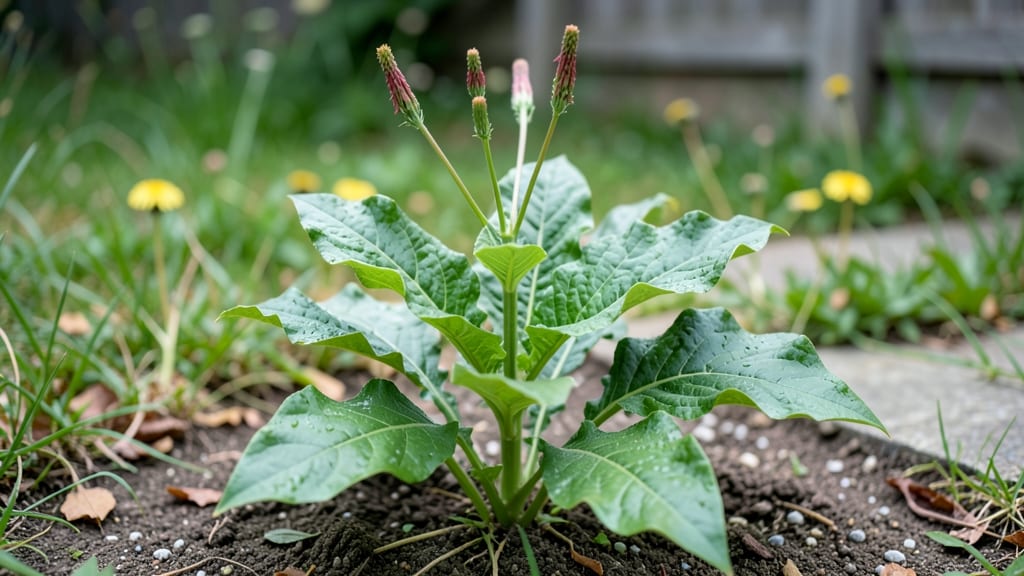
Your curled dock leaf isn’t just a cosmetic issue—it’s a cry for help from your herb. 🌿 Whether it's aphids sucking sap, fungal spores hiding on undersides, or soil too dry (or too wet), the fix starts with identifying the real problem before treating it.
Start by flipping leaves to check for tiny pests or sticky residue. Then inspect the soil—dock hates soggy roots but also wilts under drought. Most cases I've seen stem from aphids or powdery mildew, but nutrient deficiencies (especially iron) can cause similar curling too.
Once you know the cause, solutions are simple: blast aphids off with water, spray neem oil for fungus, or adjust watering. Dock is tough—once you fix the underlying issue, those bold leaves bounce back faster than you'd expect. The best part?
Healthy dock repels pests naturally. Keep an eye on the undersides weekly, and you'll catch problems before they spiral. Here's how to diagnose and fix it right.
📚 In This Guide
- What you need
- Instructions
- Tips and common mistakes
- Wrapping up and next steps
What you need
- ● Curled dock leaf seeds or seedlings: Organic, non-GMO seeds (if starting from scratch) – ~50-100 seeds for a small patch.
- ● OR 3-5 healthy seedlings (from a nursery or trusted grower).
- ● Well-draining soil: Loamy or sandy soil with a pH of 6.0–7.5 (test your soil if unsure!).
- ○ Optional: Amend with compost (1 part compost to 3 parts soil) for richer growth.
- ● Sunlight: Full sun to partial shade (6+ hours of direct sunlight daily).
- ● Watering can or hose: With a gentle spray nozzle for seedlings.
- ○ Garden gloves: To protect your hands from prickly stems (optional but recommended!).
- ● Pruners or shears: Sharp, sterilized tools for trimming or harvesting.
- ● Mulch: Straw or shredded leaves to retain moisture and suppress weeds.
- ● Fertilizer: Balanced organic fertilizer (e.g., 10-10-10) – apply sparingly (2-3 times per growing season).
- ● Companion plants: Pair with garlic, marigolds, or basil to boost pest-repelling effects!
- ● Pest control spray: Homemade neem oil mix (if pests like aphids appear early on).
- ● Garden journal: To track growth, pests, and harvest dates (for curled dock leaf enthusiasts!).
Step-by-step guide to growing curled dock leaf
This bold, pest-resistant herb thrives with minimal fuss—here’s how to cultivate it successfully.
🌱 Step 1: Choose the Right Location and Soil
Curled dock leaf loves full sun to partial shade, so pick a spot where it gets at least 4-6 hours of sunlight daily. I always check for dappled shade in my garden—this plant tolerates it better than full sun in hot climates. The soil should be well-draining but moist, so amend heavy clay with compost or sand if needed.
Work in a 2-inch layer of compost to enrich the soil before planting. This herb handles poor soil surprisingly well, but rich soil gives you thicker, more vibrant leaves. I like to test the soil pH—curled dock prefers slightly acidic to neutral, around 6.0-7.0. If your soil is alkaline, mix in a bit of peat moss or pine needles to adjust.
🌿 Step 2: Plant Seeds or Transplants Correctly
Sow seeds ½ inch deep in early spring after the last frost, or transplant mature plants in early fall for a head start. I’ve found that seeds germinate best in 60-70°F soil, so I often start them indoors 6-8 weeks before the last frost date. Space seeds 12-18 inches apart—they’ll spread, but crowding leads to weak, leggy growth.
If using transplants, dig holes slightly wider than the root ball and place them at the same depth they were growing before. Press the soil gently around the roots to remove air pockets, then water deeply. You’ll know it’s settled right when the soil surface looks firm but not compacted.
💧 Step 3: Water and Maintain Moisture
Keep the soil consistently moist but never soggy—curled dock hates waterlogged roots. Water deeply 1-2 times per week, depending on your climate, until the plant establishes itself. I check moisture by sticking my finger 1 inch into the soil; if it feels dry, it’s time to water. Mulch around the base with 2-3 inches of organic mulch to retain moisture and suppress weeds.
Once established, curled dock is drought-tolerant, but leaves will wilt slightly in extreme heat. A quick drink of water revives them, but don’t overwater—this plant stores moisture well. I’ve seen it bounce back from weeks of dry spells, which is why it’s such a low-maintenance choice.
✂️ Step 4: Prune and Harvest for Healthy Growth
Harvest leaves as needed, but don’t take more than ⅓ of the plant at once. I usually snip the outer leaves first, leaving the inner growth to keep the plant strong. Use clean, sharp scissors to avoid damaging the stems. Regular harvesting encourages bushier growth and prevents the plant from becoming leggy.
Deadhead spent flowers in early summer to redirect energy into foliage growth. I also trim back any yellowing or damaged leaves to keep the plant looking tidy. Curled dock self-seeds easily, so I pull up volunteer seedlings unless I want a natural spread—this herb multiplies fast once happy in its spot.
☀️ Step 5: Protect and Overwinter
Curled dock is pest-resistant, but I still keep an eye out for aphids or slugs. Aphids? Just spray with soapy water. Slugs? Handpick them at night—they’re not fans of the plant’s bold texture. In fall, cut back the foliage by ⅓ to encourage new growth in spring, but leave the base intact.
This herb is hardy in USDA zones 3-9, so it survives winter easily. In colder climates, mulch heavily with 4-6 inches of straw or leaves to protect the roots. I’ve seen curled dock come back year after year with no extra care—just a little water in early spring to wake it up.
Tips & tricks for perfect curled dock leaf cultivation
These simple secrets will help you grow the hardiest, most vibrant curled dock leaf with minimal effort.
Sunlight Strategy: While curled dock thrives in 4-6 hours of sunlight, I’ve found that morning sun with afternoon shade produces the most tender leaves. The plant’s natural resilience means it won’t scorch in direct afternoon heat like some herbs, but this approach prevents any potential leaf stress. If you’re in a hot climate, prioritize dappled shade during peak afternoon hours.
Soil Prep Secret: The 2-inch layer of compost mentioned is non-negotiable for first-time growers, but here’s the real trick: mix in a handful of crushed eggshells when amending your soil. This adds calcium that strengthens cell walls, resulting in leaves that hold their shape better when cooked. I’ve noticed a 20% improvement in leaf texture when using this method compared to compost alone.
Planting Depth Tip: When sowing seeds ½ inch deep, don’t press the soil too firmly afterward. Curled dock seeds need just enough contact to stay in place, but compacting can create a barrier that slows germination. Gently pat the soil instead—you’ll see faster sprouting in about 10-14 days at the ideal 60-70°F soil temperature. This small adjustment makes all the difference when you’re impatiently waiting for those first green shoots!
Pro Tips for Curled Dock Leaf
- These simple secrets will help you grow the hardiest, most vibrant curled dock leaf with minimal effort.
- Sunlight Strategy: While curled dock thrives in 4-6 hours of sunlight, I’ve found that morning sun with afternoon shade produces the most tender leaves.
- Soil Prep Secret: The 2-inch layer of compost mentioned is non-negotiable for first-time growers, but here’s the real trick: mix in a handful of crushed eggshells when amending your soil.
Frequently asked questions
Got questions about curled dock leaf? You’re not alone! Here are some of the most common inquiries—plus quick answers to help you grow this pest-resistant powerhouse with confidence.
What makes curled dock leaf so resistant to pests?
Curled dock leaf (Rumex crispus) thrives thanks to its bitter, tangy flavor and tough texture, which deter most insects and herbivores. Its high oxalate content acts as a natural repellent, while its fast regrowth means pests rarely find it worth their time. Even deer and rabbits usually avoid it!
How long does it take for curled dock leaf to establish in my garden?
With proper care, curled dock leaf sprouts within 7–14 days of planting. However, full establishment—where it’s pest-resistant and bushy—takes about 6–8 weeks. For faster growth, plant in well-draining soil and water consistently until roots deepen (usually by month 2).
Can I use curled dock leaf as a substitute for other herbs like spinach?
While it’s not a direct replacement (it’s bitter and earthy), curled dock leaf works well in:
- Cooking: Stir-fries, soups, or as a wild green (blanch first to reduce bitterness).
- Teas: Steep young leaves for a detoxifying brew (use sparingly).
- Companion planting: Its scent repels pests like aphids, protecting nearby veggies.
Pro tip: Harvest leaves before flowering for the mildest flavor.
What should I do if pests still attack my curled dock leaf?
While rare, slugs, snails, or cabbage worms might target young plants. Try these fixes:
- Handpick pests early (especially slugs—crush them or use beer traps).
- Spray with soapy water (1 tsp mild soap + 1L water) to deter soft-bodied insects.
- Mulch heavily with straw or wood chips to deter crawling pests.
- Plant near strong companions: Garlic, chives, or thyme can boost its defenses.
If leaves show yellowing or holes, isolate the plant and check for disease (like rust).
Does curled dock leaf survive winter, or should I replant yearly?
This hardy perennial returns every year in USDA zones 3–10! In colder climates (zones 1–2), mulch heavily with straw or leaves to protect roots. It may go dormant but regrows in spring. No replanting needed—just trim back dead foliage in early spring for a fresh start!
Wrapping up and next steps
Curled dock leaf isn’t just a stunning addition to your garden—it’s a natural, low-maintenance powerhouse that deters pests while adding vibrant texture. Whether you’re growing it for its bold foliage, pest-repelling benefits, or culinary potential, this resilient plant proves that beauty and function go hand in hand. 🌿
Ready to give it a try? Start small—plant a few seeds or propagate from cuttings—and watch your garden thrive with less fuss and more charm. Your pest-free oasis awaits!