
Pests and Diseases
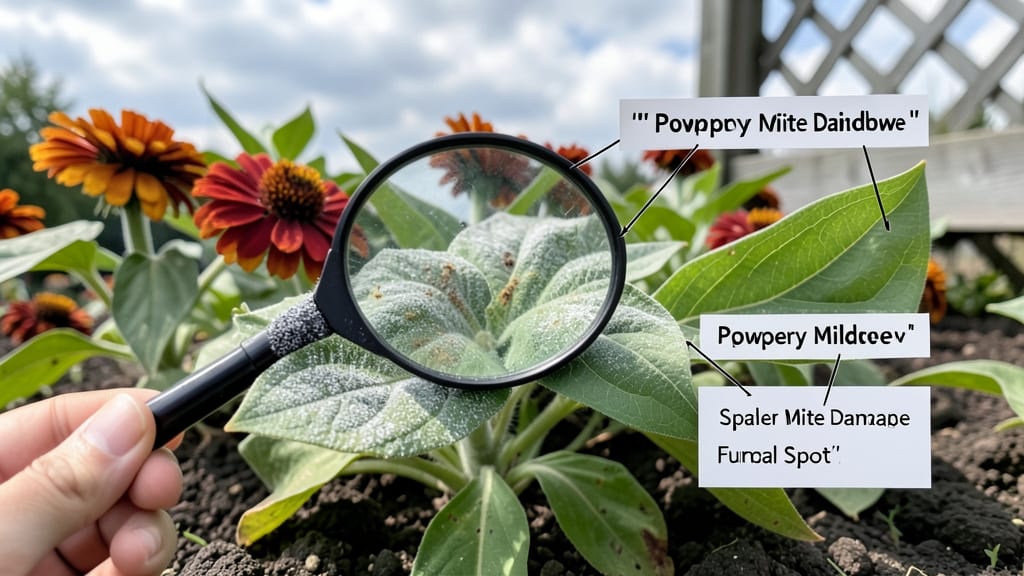
Zinnia leaf problems start with tiny white specks that multiply faster than weeds in spring. 🌱 I’ve watched fungal blight turn vibrant zinnias into sad, spotted messes—until I learned the early signs and how to stop it before it spreads.
The key is catching it fast, when the spots are still small and the plant can bounce back. Most leaf issues come from powdery mildew or bacterial spots, often triggered by crowded plants or overhead watering.
You’ll see white powder, brown patches, or yellow rings—all signals your zinnias are under attack. The good news? A few simple fixes can save your flowers before they’re history. With the right approach, you’ll restore those glossy green leaves in just 7-10 days.
I’ll show you how to prune infected areas, adjust watering, and use natural sprays that work without harsh chemicals. Your zinnias will bloom again, bright and healthy. This works for garden beds, containers, or even potted zinnias on patios. Let’s get those leaves looking fresh again—before the problem gets worse.
📚 In This Guide
- What you need
- Instructions
- Tips and common mistakes
- Wrapping up and next steps
What you need
- ● Hand lens or magnifying glass (10x magnification recommended) – For spotting tiny fungal spores or insect damage up close.
- ● Pruning shears or sharp scissors – Sterilized with rubbing alcohol (70% or higher) to avoid spreading disease.
- ● Disposable gloves (nitrile or latex) – Protects your hands from fungi, bacteria, and sap.
- ● Spray bottle (8–16 oz) – For applying homemade or store-bought treatments evenly.
- ● Fungicide (copper-based or neem oil-based) – Look for organic options like Serenade Garden Disease Control or Bonide Copper Fungicide.
- ○ Garden twine or stakes (optional but helpful) – To support weak or heavily pruned plants.
- ● Notebook and pen – For tracking symptoms, treatments, and progress over time.
- ● pH testing kit – To check soil acidity (ideal range: 6.0–7.0 for zinnias).
- ● Hydrogen peroxide (3%) – For a quick, natural spray to disinfect tools or treat minor infections.
- ● Compost or mulch – Improves soil health and reduces splash-back that spreads spores.
- ● Digital camera – Capture close-ups of symptoms to compare with online resources later.
- ● Label markers – If testing multiple treatments, mark plants to avoid confusion!
How to diagnose and treat zinnia leaf problems early
Here’s how I spot fungal blight before it ruins your zinnias—no guesswork, just clear steps.
🌿 Step 1: Inspect Leaves for Early Signs of Stress
Start by examining the bottom leaves first—that’s where fungal issues like powdery mildew or bacterial leaf spot appear. Look for yellowing patches or dark spots with fuzzy white growth (powdery mildew) or water-soaked brown lesions (bacterial spot). I check every 3-4 days during humid weather, since that’s when spores spread fastest.
Run your fingers gently over the leaves—rough, crusty textures mean fungal spores are already active. If you see black specks (like pepper), that’s often Alternaria leaf spot, which thrives in warm, wet conditions. Don’t wait until half the plant is affected; catch it when you spot just 1-2 suspicious leaves.
💧 Step 2: Adjust Watering to Prevent Fungal Spread
Zinnias hate wet foliage, so water at the base only—never overhead. If you’ve been watering in the morning, switch to late afternoon so leaves dry by nightfall. I use a soaker hose or drip irrigation to keep stems dry; splashing water onto leaves creates the perfect breeding ground for fungal spores.
Check soil moisture by sticking your finger 1 inch deep—if it’s damp, wait. Overwatering stresses plants and weakens their defenses. If you’ve already watered and leaves look droopy, prune the worst-affected ones immediately to improve airflow. Thin out crowded stems so light and air circulate freely.
✂️ Step 3: Prune Infected Leaves and Sterilize Tools
Use clean, sharp pruners (wipe with 70% rubbing alcohol between cuts) to snip off only the infected leaves. Don’t toss them in the compost—bag them and throw them away to prevent spore spread. Cut back to healthy green tissue, not yellow or spotted areas, to stop the fungus from feeding.
After pruning, rinse the plant with water to wash away spores clinging to leaves. I spray a 1:10 ratio of hydrogen peroxide to water (3% solution) on the foliage as a preventative—it kills spores without harming zinnias. Avoid chemical fungicides unless you’ve confirmed the problem; sometimes, overwatering or poor airflow mimics fungal symptoms.
☀️ Step 4: Boost Airflow and Light for Recovery
Move your zinnias to a sunnier spot if they’re in partial shade—6+ hours of direct sun strengthens their natural defenses. If they’re in containers, space them 6-12 inches apart to prevent humidity buildup. I also rotate pots weekly so all sides get even light, which discourages uneven fungal growth.
If your zinnias are in the ground, thin out nearby plants to improve airflow. Mulch with 2-3 inches of straw (not wood chips, which trap moisture) to keep soil dry. Watch for new growth—if you see bright green, firm leaves within 5-7 days, your adjustments are working. If not, repeat Step 3 and consider a copper fungicide spray for stubborn cases.
Tips & tricks for zinnia leaf care
Here's what nobody tells you about keeping your zinnias thriving—these tricks save plants I've watched wither.
Early Detection Secret: I check zinnias at the same time every 3-4 days, always in the morning when dew is present. This consistency catches early signs before they spread. Look for the v-shaped yellowing between leaf veins—this is a classic sign of bacterial leaf spot that often goes unnoticed until it's too late. The key is catching just 1-2 affected leaves before the fungus has a chance to spread through the plant's vascular system.
Watering Wisdom: The late afternoon timing in Step 2 is critical because it gives leaves 4-5 hours to dry completely before nightfall when humidity spikes. If you must water in the morning, use a watering wand with a fine mist setting to minimize leaf contact, then immediately fan the plant with a handheld fan to evaporate excess moisture. This mimics natural drying conditions and prevents the fungal spores from germinating.
Pruning Precision: When you're cutting back infected leaves in Step 3, make your cuts 1/4 inch above healthy tissue rather than right at the base. This prevents the fungus from hiding in the plant's stem and gives your zinnias a better chance to recover. Also, I always sterilize my pruners with rubbing alcohol between cuts—this prevents cross-contamination that could spread the problem to other plants in your garden.
Light Boost Hack: For container zinnias, I've found that placing a small reflective surface (like a white plastic tray) behind the pots can increase light exposure by up to 20%. This helps compensate for partial shade conditions mentioned in Step 4. Just make sure the reflective surface isn't touching the leaves, as this can create additional moisture buildup.
Pro Tips for Zinnia Leaf Problems
- Here's what nobody tells you about keeping your zinnias thriving—these tricks save plants I've watched wither.
- Early Detection Secret: I check zinnias at the same time every 3-4 days, always in the morning when dew is present.
- Watering Wisdom: The late afternoon timing in Step 2 is critical because it gives leaves 4-5 hours to dry completely before nightfall when humidity spikes.
Frequently asked questions
Got zinnia leaf problems?
You’re not alone! Here are answers to the most common questions about diagnosing, treating, and preventing issues like fungal blight, pests, and environmental stress in zinnias.
What are the most common signs of fungal blight on zinnia leaves?
Look for dark, irregular spots with yellow halos on leaves—often starting at the edges or lower foliage. In humid conditions, you might see a white, fuzzy mold (like Powdery Mildew) or grayish-brown lesions (Alternaria Leaf Spot). Early detection is key to stopping the spread!
How quickly can fungal blight ruin my zinnias if left untreated?
Fungal blight can progress rapidly, especially in warm, wet weather. Within 1–2 weeks, untreated spots can spread to stems and flowers, causing wilting, defoliation, and even plant death. Act fast by removing infected leaves and applying fungicide to prevent systemic damage.
Is watering zinnias at the right time the best way to prevent leaf problems?
Water zinnias early in the morning (before 10 AM) to let foliage dry quickly, reducing humidity—fungi thrive in damp conditions. Avoid overhead watering; instead, use a drip irrigation system or water at the base. Keep mulch around plants to improve airflow and dryness.
What’s the fastest home remedy for zinnia leaf blight?
For mild cases, mix 1 tsp baking soda + 1 quart water + a few drops of dish soap (as a surfactant). Spray leaves thoroughly every 7–10 days during humid periods. For severe infections, switch to a copper fungicide or neem oil—both are organic and effective.
Can I save zinnias with severe leaf damage, or should I pull them out?
If more than 50% of leaves are infected or stems show black spots, it’s safer to remove the plant entirely to prevent soil-borne spores from reinfecting new growth. Sterilize pruners with rubbing alcohol between cuts. For less severe cases, trim damaged leaves and treat the remaining plant aggressively.
What’s a good zinnia variety that’s less prone to leaf diseases?
Choose Benary’s Giant or Profusion Series zinnias—they’re bred for disease resistance. Dwarf zinnias (like ‘Crystal’ or ‘Thumbelina’) also tend to stay healthier due to better airflow. Always buy seeds or plants from reputable nurseries to avoid introducing pathogens.
Wrapping up and next steps
Zinnia leaf problems like fungal blight don’t have to spell the end of your garden dreams! 🌱 By staying vigilant—monitoring leaves, practicing good hygiene, and acting fast—you can keep your zinnias thriving. Remember, early intervention is your best defense.
Ready to take action? Start by inspecting your plants weekly and address any signs of trouble immediately. With the right care, your zinnias will reward you with vibrant blooms all season long!