
Leaf Blower
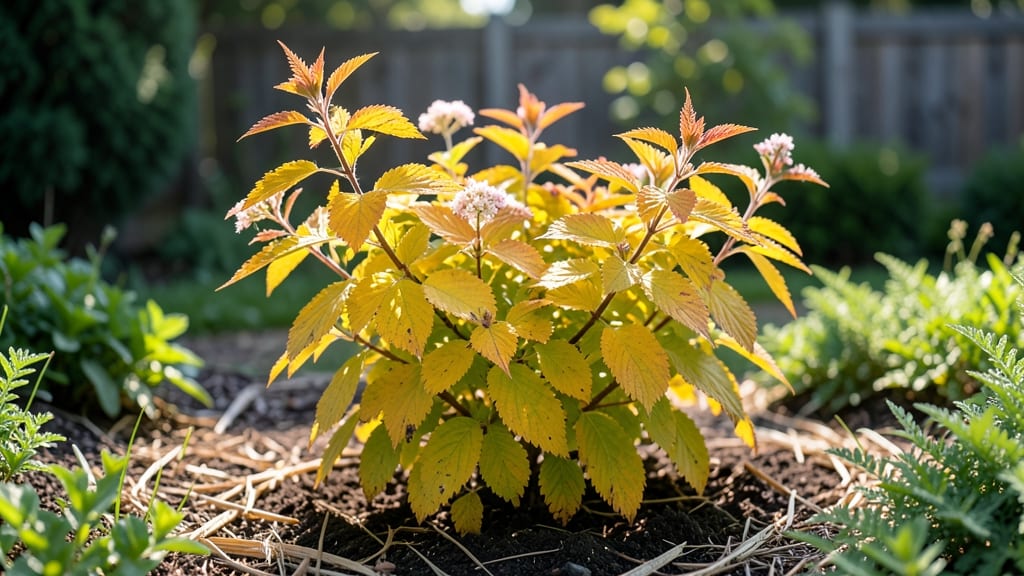
Your yellow leaf spirea might look stunning in catalogs, but those fading yellow leaves mean something’s off—likely overwatering, nutrient starvation, or a hidden pest. 🌿 I’ve nursed back more than a few struggling spireas, and the fix usually comes down to adjusting water, soil, or timing.
Let’s diagnose what’s really happening before the color fades for good.
First, check the soil: soggy roots or bone-dry dirt both cause yellowing. Spirea thrives in well-draining soil—if your shrub sits in a low spot where water pools, that’s your first clue.
Nutrient deficiencies (especially iron or nitrogen) show up as pale yellow leaves, often paired with stunted growth. And don’t overlook pests: spider mites or aphids can drain leaves of their vibrancy overnight.
Here’s the good news: spirea is tough. Once you correct the issue—whether it’s amending soil, spacing waterings, or spraying neem oil—new growth pops back green and lush within weeks.
The key is acting fast before the problem spreads to stems or flowers. I’ll walk you through the exact steps to revive yours, variety by variety.
Pro tip: Golden spirea (like ‘Gold Flame’) yellows faster than ‘Little Princess’—so adjust care based on your type. Let’s get those leaves back to their showstopping best before winter sets in.
Understanding Yellowing Spirea Leaves
Yellowing leaves on your spirea shrub can be a frustrating sight, especially when you’re eager to enjoy its vibrant foliage and striking seasonal contrasts. While some yellowing is natural (like the golden hues in autumn), sudden or widespread discoloration often signals an underlying issue.
Below, we break down the most common causes—from environmental stressors to hidden pests—and explain the science behind each one. Armed with this knowledge, you’ll be better equipped to diagnose and treat the problem before it spreads.
Spirea shrubs are known for their cold hardiness, but extreme heat—especially when combined with drought—can cause leaves to yellow and crisp. Here’s why:
- Photosynthesis slowdown: High temperatures (above 90°F) disrupt the chlorophyll production process, leading to yellowing as the plant struggles to convert sunlight into energy.
- Water loss acceleration: Heat increases transpiration (water evaporation through leaves), causing cellular dehydration even if soil moisture is adequate.
- Root stress: If roots can’t absorb water fast enough (common in clay or compacted soils), the plant prioritizes critical functions, leaving leaves to yellow as a survival mechanism.
Actionable fix: Mulch heavily with organic material (like shredded bark) to retain moisture and reduce soil temperature. Water deeply in the early morning to minimize evaporation, and consider temporary shade cloth if your region experiences prolonged heatwaves.
While spirea tolerates a range of moisture levels, soggy roots are a silent killer. Yellowing leaves often appear when roots suffocate due to:
- Oxygen deprivation: Waterlogged soil cuts off oxygen to roots, triggering anaerobic conditions that release toxic compounds like ethanol and acetaldehyde, damaging cells.
- Fungal infections: Excess moisture invites pathogens like Phytophthora or Pythium, which rot roots and block nutrient uptake, causing yellowing.
- Nutrient leaching: Overwatering flushes essential minerals (like nitrogen, iron, and magnesium) from the soil, leaving leaves yellow and weak.
Actionable fix:
- Test your soil’s drainage by digging a 12-inch hole and filling it with water. If it drains in <4 hours, your soil is fine; if not, amend with compost or sand.
- Ensure containers have drainage holes, and elevate garden beds if your area has heavy clay.
- Water only when the top 2 inches of soil are dry—stick your finger in to check!
Yellow leaves can be a cry for help from your spirea, signaling a lack of key nutrients. The most common deficiencies and their symptoms:
| Nutrient | Yellowing Pattern | Cause |
|---|---|---|
| Nitrogen (N) | Pale yellow or light green leaves, starting on older foliage | Poor soil fertility, overwatering (leaching), or lack of organic matter |
| Iron (Fe) | Interveinal chlorosis (yellow between veins, veins stay green) | Alkaline soil (pH > 7), compacted soil, or cold temperatures blocking uptake |
| Magnesium (Mg) | Yellow patches between veins, often on older leaves | Over-fertilization with nitrogen, poor soil structure, or erosion |
| Potassium (K) | Yellowing at leaf edges or tips, with brown spots | Drought stress, overwatering, or excessive use of synthetic fertilizers |
Actionable fix:
- For nitrogen: Apply a balanced fertilizer (10-10-10) in early spring or use compost.
- For iron/magnesium: Use chelated iron supplements or apply Epsom salt (magnesium sulfate) at 1 tbsp per gallon of water, sprayed on leaves.
- Test your soil’s pH—aim for 6.0–7.0 for optimal nutrient availability.
Hidden invaders can wreak havoc on spirea, causing yellowing as they disrupt nutrient flow or feed on leaves. Common culprits:
- Spider mites: Tiny pests that suck sap, causing stippled yellowing and webbing on undersides of leaves.
- Scale insects: Sap-sucking bugs that excrete honeydew, leading to sooty mold (black fungal growth) and yellowing.
- Root weevils: Larvae chew on roots, reducing water/nutrient uptake and causing wilting or yellowing.
- Fungal leaf spots: Diseases like Septoria create yellow halos around brown/black spots, often in humid conditions.
Actionable fix:
- Inspect leaves (especially undersides) with a magnifying glass for pests. Blast off mites/scale with a strong jet of water.
- Apply neem oil or insecticidal soap for soft-bodied pests like mites and aphids.
- For root weevils, treat soil with beneficial nematodes (Heterorhabditis bacteriophora) or milky spore bacteria.
- Prune and destroy infected leaves/fungi immediately, and space plants for airflow to prevent spread.
If your spirea recently moved or suffered root trauma (e.g., from digging, construction, or girdling roots), yellowing is often a stress response. Here’s what’s happening:
- Reduced root zone: Damaged roots limit water and nutrient absorption, causing leaves to yellow as the plant conserves energy.
- Hormonal disruption: Roots produce cytokines (growth hormones) that signal leaves to stay green. Damaged roots can’t produce enough, leading to premature yellowing.
- Secondary infections: Exposed roots are vulnerable to pathogens, which exacerbate stress symptoms.
Actionable fix:
- Water deeply 2–3 times per week for the first month after transplanting to encourage root regrowth.
- Avoid fertilizing for 4–6 weeks to prevent further stress on healing roots.
- Loosen compacted soil around the root ball and mulch to protect roots from temperature swings.
Pro tip: 💡 If yellowing appears only on new growth, it’s often a nutrient issue or pest problem. If it starts on older leaves, check watering or root health. When in doubt, snap a photo and consult your local cooperative extension service for a diagnosis!
Revitalizing Your Shrub’s Health
When your spirea’s leaves turn yellow, it’s a clear call to action—but don’t panic! With the right approach, you can restore your shrub’s vibrancy and prevent future issues.
Below, we’ll tackle the most common causes of yellowing leaves and provide practical, step-by-step solutions to bring your spirea back to its stunning, cold-hardy best.
Signs: Yellowing leaves, soggy soil, or roots exposed above the ground.
How to Fix It: 🔥 Step 1: Check the Soil – Stick your finger 2 inches into the soil. If it’s damp, hold off on watering. 🍳 Step 2: Improve Drainage – If your spirea is planted in heavy clay or compacted soil, amend it with compost or perlite to aerate the roots. 👨🍳 Step 3: Adjust Watering Habits – Water deeply once a week (or less in rainy seasons) rather than frequent shallow watering. Ensure the soil dries slightly between waterings. 🥘 Step 4: Elevate if Needed – If water pools around the base, consider raising the plant with a small mound of soil or a gravel bed to encourage runoff.
💡 Prevention Tip: Plant spirea in well-draining soil and avoid low-lying areas where water collects.
Signs: Crispy, yellowing edges, wilting, or leaves curling upward.
How to Fix It: 🔥 Step 1: Water Deeply – Give your spirea 1–2 inches of water per week, either from rainfall or manual watering. 🍳 Step 2: Mulch Properly – Apply 2–3 inches of mulch (wood chips or straw) around the base to retain moisture and regulate soil temperature. 👨🍳 Step 3: Water Early or Late – Avoid midday watering to reduce evaporation. Early morning or late evening is ideal. 🥘 Step 4: Provide Shade (Temporarily) – If your area experiences extreme heat, use light shade cloth during peak summer hours to protect delicate foliage.
💡 Prevention Tip: Group spirea with other plants to create a microclimate that retains moisture longer.
Signs: Pale yellow leaves (chlorosis), stunted growth, or yellowing between veins.
How to Fix It: 🔥 Step 1: Test Your Soil – A simple home soil test kit (or lab test) will reveal deficiencies. 🍳 Step 2: Apply Iron Supplement – For chlorosis (yellowing between veins), use an iron chelate fertilizer in early spring or fall. 👨🍳 Step 3: Boost Nitrogen – If growth is slow, apply a balanced fertilizer (10-10-10) in spring or a slow-release nitrogen source like composted manure. 🥘 Step 4: Avoid Over-Fertilizing – Too much fertilizer can burn roots. Follow package instructions carefully.
💡 Prevention Tip: Amend soil annually with compost to maintain nutrient balance naturally.
Signs: Yellowing leaves with tiny webs, sticky residue (honeydew), or black sooty mold.
How to Fix It: 🔥 Step 1: Inspect Leaves – Look for tiny bugs, webs, or spots on the undersides of leaves. 🍳 Step 2: Blast Off Pests – Spray leaves with water to dislodge aphids or spider mites. Repeat every few days. 👨🍳 Step 3: Use Neem Oil – For stubborn infestations, mix 1 tsp neem oil + 1 tsp mild soap per quart of water and spray thoroughly. 🥘 Step 4: Prune Infected Areas – Remove and dispose of heavily damaged leaves to prevent spread. 🔪 Step 5: Treat Fungal Issues – If you see black spots or powdery mildew, apply a fungicide (copper-based or sulfur-based) as directed.
💡 Prevention Tip: Encourage beneficial insects like ladybugs by planting marigolds nearby.
Signs: Yellowing leaves in early spring, browning tips, or slow regrowth.
How to Fix It: 🔥 Step 1: Wait Before Pruning – Avoid cutting back until new growth appears in spring to ensure the plant isn’t still dormant. 🍳 Step 2: Protect from Late Frosts – If frost is forecasted, cover young spirea with frost cloth or burlap. 👨🍳 Step 3: Fertilize Lightly in Spring – Once growth resumes, apply a low-nitrogen fertilizer to support recovery. 🥘 Step 4: Mulch Heavily – Add an extra 2–3 inches of mulch in late fall to insulate roots from freezing temperatures.
💡 Prevention Tip: Choose cold-hardy spirea varieties (like Spiraea japonica or Spiraea arguta) for better winter resilience.
Final Thought: Most yellowing issues are easily reversible with the right care. Monitor your spirea regularly, adjust watering and soil conditions, and address pests promptly. With a little TLC, your shrub will bounce back—and reward you with vibrant foliage and year-round color for seasons to come! 🌿✨
Frequently asked questions
Why do some spirea varieties yellow faster than others?
Golden varieties like ‘Gold Flame’ naturally have more yellow foliage, but they’re also more sensitive to stress. Darker-leaved types (such as ‘Little Princess’) tend to yellow only when nutrient-deficient or overwatered. The key difference is their chlorophyll content—golden spireas produce less, so they show stress symptoms sooner.
Can I prune yellow leaves off my spirea?
Yes, but time it right! Remove yellowed leaves in early spring before new growth starts. Never prune in late summer or fall—this stresses the plant when it’s preparing for dormancy. Always use clean, sharp shears and sterilize them with rubbing alcohol to prevent spreading diseases.
How often should I fertilize spirea to prevent yellowing?
Feed spirea once in early spring with a balanced fertilizer (10-10-10) and again in midsummer if growth slows. Over-fertilizing causes salt buildup, which burns roots and triggers yellowing. For organic options, use compost or worm castings instead—these release nutrients slowly and improve soil structure naturally.
Are yellow leaves always a bad sign?
Not always! Some yellowing is natural, like autumn color changes or the golden hues in ‘Gold Mound’ spirea. Look for these clues: If yellowing appears only on new growth, it’s likely a nutrient issue. If it starts on older leaves, check watering habits. Sudden yellowing with brown spots? That’s usually a pest or disease problem.
Will my spirea recover if I fix the yellowing now?
Spirea is remarkably resilient. Once you correct the issue—whether it’s adjusting water, amending soil, or treating pests—new growth typically returns green and healthy within 4-6 weeks. The key is acting fast before the problem spreads to stems. For severe cases, consider a soil test to pinpoint exact deficiencies.