
Pests
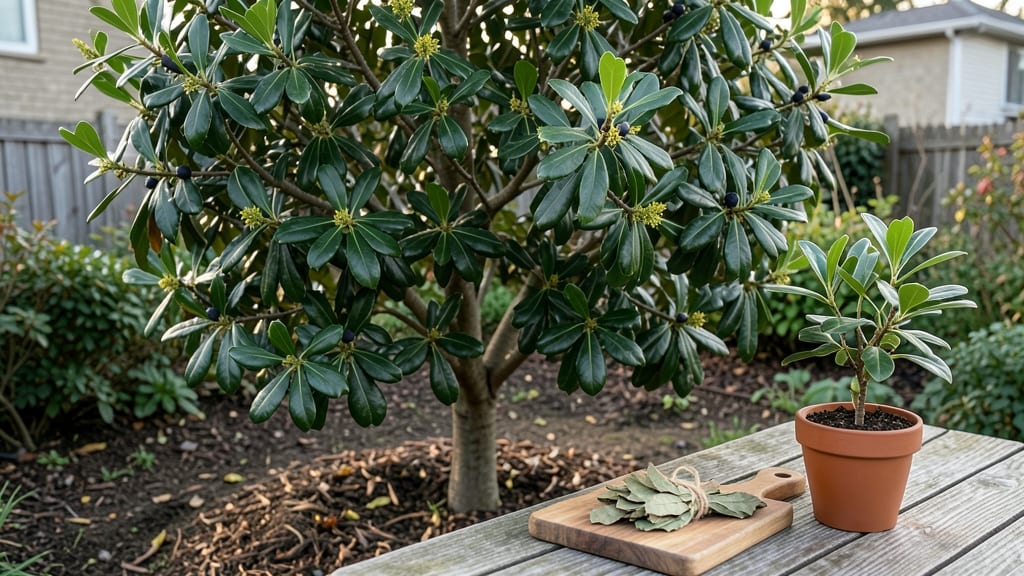
You can get a bay leaf at grocery stores in the spice aisle, specialty spice shops, or online through retailers like Amazon, Walmart, or Etsy for organic or bulk options. Fresh bay leaves can also grow in home gardens or be found at local farmers' markets.
Bay leaves are incredibly versatile, and their availability varies depending on whether you prefer dried or fresh options.
Most grocery stores carry dried bay leaves year-round, while fresh leaves may require a trip to specialty markets or organic sections. 🌿 For cooking, fresh bay leaves offer a more vibrant flavor, but dried leaves work just as well in soups, stews, or marinades.
Many online retailers also sell bulk organic options, which are perfect for frequent cooks or those who want to stock up.
If you're curious about growing your own, bay laurel plants thrive in well-drained soil with plenty of sunlight. Harvesting fresh leaves from your garden ensures you always have them on hand for recipes, though they do require patience to grow from seeds or cuttings.
💡 In This Article
- Best Places to Buy Fresh vs Dried Bay Leaves
- Growing Your Own Bay Leaves at Home
Best places to buy fresh vs dried bay leaves
Grocery stores are your most convenient source for dried bay leaves, typically found in the spice aisle alongside other dried herbs like oregano or thyme. The average cost ranges from $2 to $5 per container, depending on brand and quantity.
For example, a standard 1-ounce jar of dried bay leaves from national brands like McCormick or Badia usually costs around $3. These stores often carry both California bay leaves (milder, more common) and European bay leaves (stronger, more aromatic), though the latter may require specialty sections.
Fresh bay leaves offer a more vibrant flavor due to their higher essential oil content, but they’re trickier to find. Local farmers' markets or organic grocery stores like Whole Foods often stock fresh bay leaves during their growing season (spring to fall).
A small bunch of 5-10 fresh leaves typically costs $1 to $3, depending on location.
The leaves should appear dark green, glossy, and slightly leathery to the touch—avoid wilted or yellowing leaves, as they indicate age or poor storage. 🌿 For frequent cooks, buying fresh in bulk from specialty spice shops can be cost-effective, with prices dropping to $0.50 per leaf when purchased in larger quantities.
Online retailers like Amazon, Walmart, or Etsy provide flexibility for both dried and fresh bay leaves. Dried options are widely available, with bulk organic packs (like 1 pound for $10-$15) ideal for restaurants or home cooks.
Fresh bay leaves shipped online may arrive via refrigerated transport, ensuring they stay crisp. However, shipping costs can add $5-$10 to the total, making local purchases more economical.
For specialty varieties, Etsy sellers often offer unique options, such as Turkish bay leaves or Mexican oregano-bay hybrids, which can elevate specific dishes like mole or lamb stews.
Quality varies significantly between sources. Dried bay leaves from grocery stores often undergo processing to remove moisture, which can dull their flavor over time. In contrast, fresh leaves retain up to 30% more aromatic compounds, making them ideal for delicate dishes like risotto or poached fish.
If you’re unsure about freshness, crush a leaf between your fingers—it should release a strong, piney aroma. For dried leaves, check the packaging date; older batches (over 6 months) may lose potency. 💫
Consider your cooking needs when choosing between fresh and dried. Fresh leaves infuse flavor more quickly (as little as 10 minutes of simmering) and are perfect for sauces or braises.
Dried leaves, however, release their oils more slowly, making them better suited for long-cooked dishes like beef bourguignon or chicken soup. For maximum flavor, toast dried leaves in a dry pan for 30 seconds before adding them to dishes—this reactivates their essential oils and deepens their aroma.
If you’re exploring organic options, look for USDA-certified labels on dried leaves or ask vendors at farmers' markets about pesticide-free growing practices. Organic bay leaves often cost 20-30% more but provide a cleaner, more complex flavor profile.
For example, organic European bay leaves from a specialty shop might cost $8 for 2 ounces, but their robust flavor justifies the investment for gourmet cooking.
Ultimately, your choice depends on convenience, budget, and the dish you’re preparing. Stocking both dried and fresh leaves ensures you’re always ready to enhance soups, stews, or marinades with the perfect balance of aromatic depth. 🌟