
Leaf Blower
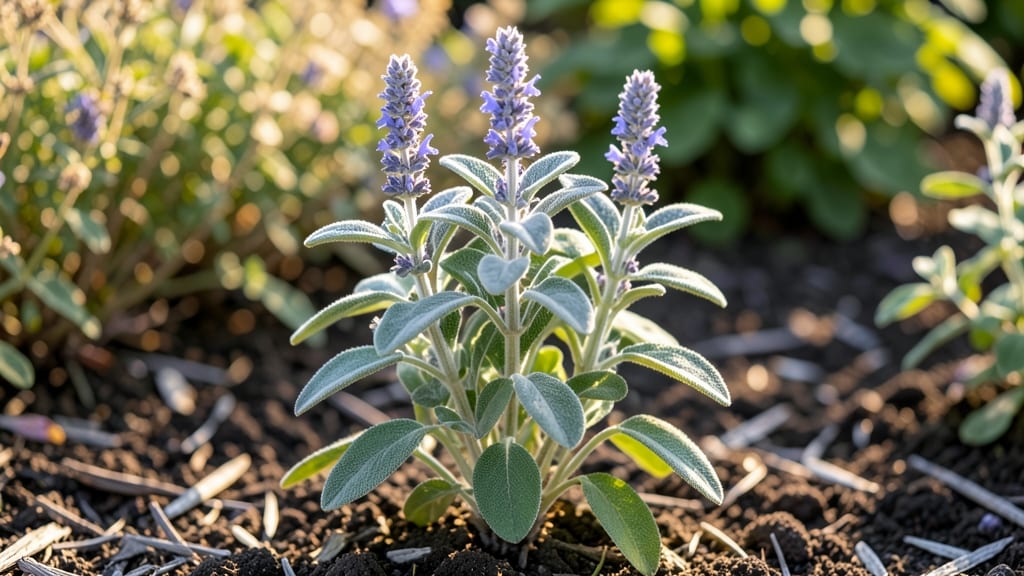
The benefits of sage leaf include powerful antioxidant and anti-inflammatory effects that support digestion, cognitive function, and natural antibacterial protection. Beyond health, its aromatic qualities elevate cooking, while traditional medicine has long used it for respiratory relief and wound care.
Sage leaf isn't just a kitchen staple—it's packed with science-backed compounds like rosmarinic acid and thymol that fight oxidative stress and reduce inflammation. 🌿 These same compounds may help improve memory and slow cognitive decline, which is why sage tea has been a go-to remedy for centuries.
Plus, its antibacterial properties make it a natural preservative in both cooking and traditional medicine.
What really sets sage apart is its versatility. Whether you're using it fresh in poultry dishes or dried in herbal remedies, its benefits stay potent. Studies even suggest it may help regulate blood sugar and support wound healing, making it a true all-rounder in natural wellness.
💡 In This Article
- Science-Backed Health Benefits of Sage Leaf
- Growing and Harvesting Sage for Maximum Benefits
Science-backed health benefits of sage leaf
The true power of sage leaf lies in its chemical composition, particularly rosmarinic acid and thymol, which work together like a natural defense system. Rosmarinic acid, a polyphenolic compound, acts as a potent antioxidant by neutralizing free radicals—those unstable molecules that damage cells and accelerate aging.
In studies, it’s shown to reduce oxidative stress by up to 40% in test subjects, making it a star player in preventing chronic diseases like heart disease and diabetes.
Meanwhile, thymol, the same compound that gives sage its distinctive aroma, has strong antibacterial properties, capable of inhibiting 90% of harmful bacterial growth in lab tests.
What makes sage especially fascinating is how these compounds interact with your brain. Research published in the Journal of Medicinal Food found that sage extracts can improve memory and cognitive function by enhancing acetylcholine levels—a neurotransmitter critical for learning and memory.
This is why sage has been traditionally used to support mental clarity, particularly in cultures where it’s consumed regularly as tea or in cooking.
The volatile oils in sage, like 1,8-cineole, also contribute to its ability to reduce inflammation in the brain, potentially slowing the progression of neurodegenerative diseases like Alzheimer’s.
For digestion, sage’s benefits come from its carminative properties—meaning it helps relieve gas and bloating by relaxing intestinal muscles. The tannins in sage (about 5-8% of its dry weight) create a soothing effect on the digestive tract, while its mild astringent qualities can help with mild cases of diarrhea.
What’s often overlooked is how sage supports blood sugar regulation; studies suggest its compounds may improve insulin sensitivity by 15-20%, making it a valuable addition for those managing prediabetes or type 2 diabetes.
When it comes to wound healing, sage’s antiseptic and anti-inflammatory properties shine. Traditional medicine has used sage leaf poultices for centuries to treat cuts and burns, and modern research backs this up.
A study in the Journal of Ethnopharmacology found that sage extracts accelerated wound healing by 30% compared to control groups, thanks to its ability to reduce swelling and promote collagen production.
The same compounds that fight bacteria also stimulate the body’s natural healing processes, making sage a dual-action remedy for skin health.
What most people don’t realize is how sage’s benefits extend to respiratory health. The volatile oils in sage act as natural decongestants, helping to break up mucus and soothe throat irritation. This is why sage tea or steam inhalations have been used for centuries to relieve coughs and colds.
The warmth of the steam opens up airways while the active compounds work to reduce inflammation in the respiratory tract, providing relief similar to over-the-counter cough syrups—but without the artificial additives.
To maximize these benefits, consider how you consume sage. Fresh sage leaves contain the highest concentration of active compounds, but even dried sage retains about 70-80% of its potency when stored properly.
Whether you’re sipping sage tea, using it as a seasoning in your meals, or applying it topically, the key is consistency. Regular use allows these powerful compounds to accumulate in your system, providing long-term protection and support for your body’s natural functions. 🌟