
Leaf Blower
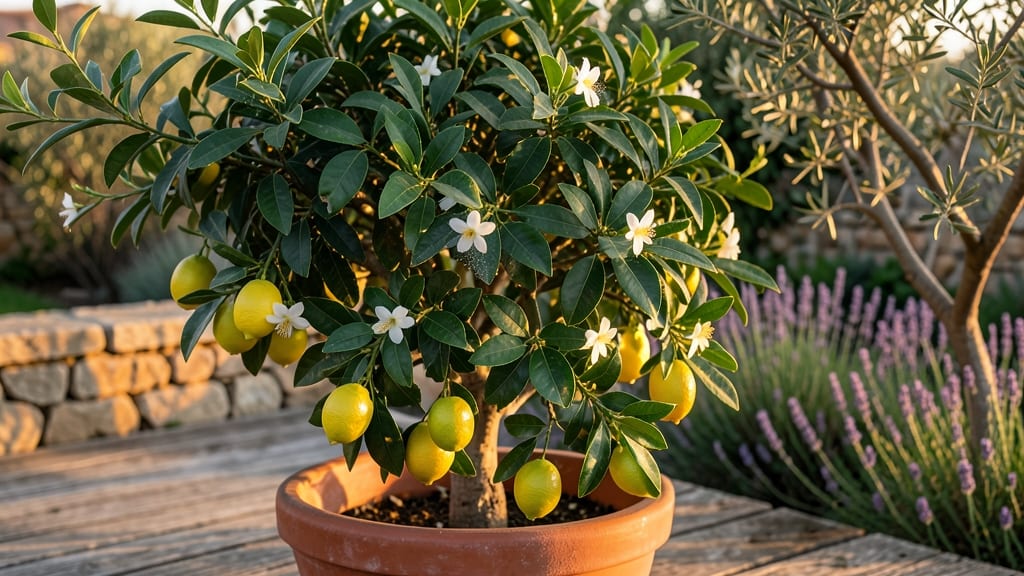
A lemon leaf is tiny, lance-shaped, and smells like sunshine when crushed—unmistakable once you know what to look for. 🌿 The edges are smooth but slightly serrated, and the dark green color shines against the tree’s glossy surface, making it easy to spot among other citrus leaves.
Compared to lime or orange leaves, lemon leaves are narrower and more pointed, with a distinct citrusy aroma that lingers on your fingers. This scent helps distinguish them from lookalikes like mock orange or even some herb leaves, which lack that signature zesty fragrance.
Healthy lemon leaves should be vibrant and firm, but watch for yellowing or spots—signs of pests or disease. Pruning back damaged leaves keeps the tree productive and prevents issues from spreading to new growth. Knowing your lemon tree’s leaves makes pruning, pest control, and even propagation easier.
Next time you see one, take a deep breath—it’s the first step to growing your own fragrant, fruitful tree!
Understanding Lemon Leaf Growth
Lemon leaves are a fascinating study in botanical design, shaped by a mix of genetic programming and environmental influences. Their distinctive appearance—small, glossy, and lance-shaped—isn’t just random; it’s the result of evolutionary adaptations and physiological responses.
Let’s break down the key factors that influence why lemon leaves look the way they do.
Every lemon leaf starts with its genetic code, hardwired into the Citrus limon species. Here’s what science tells us: - Species-Specific Traits: Lemon trees (like all citrus varieties) have evergreen, compound leaves arranged alternately along stems.
Their elliptical to lanceolate shape (pointed at the tip, rounded at the base) is an inherited trait optimized for sunlight absorption and water conservation in their native Mediterranean climate. - Leaf Arrangement: The pinnate structure (feather-like veins radiating from a central midrib) maximizes surface area for photosynthesis while minimizing water loss.
This design is energy-efficient, allowing the tree to thrive in warm, dry conditions. - Thick, Leathery Texture: Lemon leaves have a waxy cuticle and thick epidermis, reducing transpiration (water evaporation). This adaptation is critical for survival in arid or semi-arid environments, where water scarcity is common.
Fun Fact: The citrusy aroma comes from volatile oils (like limonene) stored in tiny glands on the leaf surface—another genetic trait that deters pests while attracting pollinators!
While genetics set the baseline, environmental conditions can tweak a lemon leaf’s appearance—sometimes subtly, sometimes dramatically. Here’s how:
1. Light Exposure ☀️
- Full Sun vs. Shade:
- Direct sunlight triggers thicker, darker green leaves with a shinier cuticle (to reflect excess light and heat).
- Low light produces larger, paler, and thinner leaves (a stretch response to capture more light).
These leaves may also appear less aromatic due to reduced oil production. - Sunburn Risk: Intense midday sun can cause bleached or crispy leaf edges, mimicking nutrient deficiencies. Solution: Provide partial shade (like a sheer curtain) for young trees.
2. Water Availability 💧 - Underwatering: - Leaves become smaller, curled, and brittle as the tree prioritizes survival over growth.
The veins may darken, and the leaf edges can turn yellow or brown (a sign of cell death). - Actionable Tip: Water deeply 1–2 times per week (depending on climate), ensuring the top 2 inches of soil stay moist but not soggy. - Overwatering: - Leads to yellowing between veins (chlorosis) and mushy, drooping leaves due to root rot.
The leaf structure weakens as the tree struggles to absorb nutrients. - Fix: Improve drainage with perlite or sand in potting mix and avoid waterlogging.
3.
Nutrient Deficiencies 🌱 Lemon trees are heavy feeders, and deficiencies show up fast in leaf shape and color: | Deficiency | Leaf Symptoms | Solution | |----------------|-------------------------------------------|---------------------------------------| | Nitrogen (N) | Pale yellow leaves, stunted growth | Use balanced fertilizer (e.g., 10-10-10) every 4–6 weeks in spring/summer. | | Iron (Fe) | Yellowing between veins (chlorosis) | Apply chelated iron or use acidic soil (pH 6.0–7.0). | | Magnesium (Mg) | Yellow patches on older leaves, weak veins | Add Epsom salt (1 tbsp/gallon of water) monthly. | | Zinc (Zn) | Small, narrow leaves with interveinal yellowing | Use zinc sulfate or compost rich in organic matter. |
Pro Tip: Yellowing leaves aren’t always a deficiency—check for pests (like spider mites) or fungal infections (e.g., citrus greening) first!
Unwanted critters and pathogens can distort leaf growth or alter their appearance: - Spider Mites: Tiny pests that suction sap, causing stippling (white/yellow dots), curled edges, and premature leaf drop.
Infested leaves may look bronzed or silvery. - Treatment: Spray with neem oil or water blasts to dislodge them. - Scale Insects: Leave sticky residue (honeydew) and black sooty mold, stunting leaf development. - Fix: Wipe leaves with rubbing alcohol-soaked cotton balls or use horticultural oil. - Fungal Infections (e.g., citrus canker or anthracnose): - Cause lesions, spots, or wilting.
Leaves may pucker or drop prematurely. - Prevention: Prune for airflow, avoid overhead watering, and apply copper fungicide if needed.
- Over-Pruning: Removing too many leaves reduces photosynthesis, leading to smaller, weaker new growth.
Lemon trees respond by producing lessvigorous leaves with shorter internodes (spaces between leaves). - Best Practice: Prune only in late winter/early spring, removing no more than 20–30% of foliage at once. - Mechanical Damage: Rough handling (e.g., leaf blower trauma or harsh winds) can cause torn edges or bruising, altering the leaf’s natural shape. - Solution: Use gentle tools and protect young trees with windbreaks if needed.
Lemon leaves change as the tree ages: - Young Trees: Leaves are smaller, softer, and more oval-shaped with less pronounced veins. - Mature Trees: Develop larger, more lance-shaped leaves with thicker texture and stronger aroma. - Over-Mature Trees: May produce thinner, less vibrant leaves due to declining vigor.
Rejuvenate with renewal pruning (cutting back 1/3 of old wood) to encourage new growth.
- Cold Stress: Temperatures below 28°F (-2°C) can cause leaf browning, curling, or scorch.
New growth may emerge smaller and deformed as the tree recovers. - Prevention: Mulch heavily and cover young trees during freezes. - Heat Waves: Prolonged heat can bleach leaves or cause edge scorch.
Leaves may drop prematurely to conserve water. - Help Them Cope: Provide afternoon shade and deep, infrequent watering.
A lemon leaf’s shape, size, and health are a direct reflection of its genetic potential and its environmental conditions. By understanding these factors, you can diagnose issues early and ensure your lemon tree stays lush, aromatic, and productive. 🌱✨
Fixing Lemon Leaf Issues
If you’ve spotted unusual changes in your lemon tree’s foliage—whether it’s distorted shapes, discoloration, or pests—don’t panic! Most issues have simple, effective fixes. Below, we’ll break down common problems and provide practical, step-by-step solutions to restore your lemon tree’s health.
Cause: Overwatering, underwatering, nutrient deficiency, or fungal infections (like root rot or citrus greening). Fix:
- 💧 Check the soil moisture – Stick your finger 1–2 inches into the soil. If it’s soggy, reduce watering; if dry, water deeply but avoid soggy conditions.
- 🌿 Adjust watering habits – Lemon trees prefer well-draining soil. Water only when the top 1–2 inches are dry, and ensure pots have drainage holes.
- 🍃 Fertilize properly – Use a citrus-specific fertilizer (high in nitrogen, potassium, and micronutrients like zinc and iron). Apply every 4–6 weeks in growing season (spring–fall).
- 🧹 Remove infected leaves – Prune yellow or brown leaves with sterilized pruners to prevent spread. Dispose of them in the trash (not compost).
- 🌡️ Monitor humidity – If fungal issues persist, improve airflow with a small fan or spacer between plants.
💡 Prevention Tip: Mulch around the base (but not touching the trunk) to retain moisture and regulate temperature.
Cause: Tiny pests suck sap, causing curled, sticky, or discolored leaves. Fix:
- 🔍 Inspect leaves daily – Look for webbing, tiny bugs, or honeydew (sticky residue).
- 🚿 Blast off pests – Spray leaves with water (aphids hate it!) or use neem oil (1 tsp per quart of water, spray every 5–7 days).
- 🐝 Introduce beneficial insects – Ladybugs and lacewings eat aphids naturally. Buy them online or attract them with dill or fennel nearby.
- 🧴 Apply insecticidal soap – Mix 1 tbsp mild soap + 1 quart water, spray directly on pests (test on a small leaf first).
- 🌿 Prune heavily infested branches – Remove and burn or bag affected parts to stop spread.
💡 Prevention Tip: Quarantine new plants for 2 weeks before adding them to your garden to avoid introducing pests.
Cause: Over-fertilizing, transplant shock, or nutrient burn (too much salt in soil). Fix:
- 🚰 Flush the soil – Water heavily to leach out excess salts (run water through the pot for 10–15 minutes).
- 🌱 Repot if needed – If roots are circling or soil is compacted, repot in fresh, well-draining citrus mix.
- 🍂 Trim back on fertilizer – Reduce to half-strength for 2–3 months, then resume normal feeding.
- 🌿 Provide bright, indirect light – Lemon trees need 6+ hours of sunlight daily. If indoors, use a grow light if natural light is weak.
💡 Prevention Tip: Always water before fertilizing to avoid root burn.
Cause: Low humidity, fluoride toxicity (from tap water), or over-salination. Fix:
- 💦 Switch to filtered or rainwater – Fluoride in tap water can damage leaves. Use distilled or collected rainwater instead.
- 🌬️ Increase humidity – Place a pebble tray with water under the pot or use a humidifier nearby.
- 🍃 Trim damaged edges – Use clean pruners to snip off brown tips to encourage new growth.
- 🌿 Avoid cold drafts – Keep the tree away from AC vents, doors, or windows in winter.
💡 Prevention Tip: Mist leaves lightly in dry conditions (but avoid soggy soil).
To keep your lemon tree thriving, follow this quick maintenance guide:
| Task | Frequency | How to Do It |
|---|---|---|
| Water deeply | When top 1–2" is dry | Soak soil, drain excess |
| Fertilize | Every 4–6 weeks | Use citrus fertilizer, dilute if needed |
| Prune dead leaves | As needed | Sterilize tools, cut at 45° angle |
| Check for pests | Weekly | Inspect undersides of leaves |
| Rotate the pot | Monthly | Ensure even sunlight exposure |
Final Thought: Most lemon leaf problems are easily reversible with the right care. Start with soil health, proper watering, and pest control, and your tree will bounce back with vibrant, aromatic foliage in no time! 🍋✨
Frequently asked questions
How can I tell if a leaf is from a lemon tree versus a lime or orange tree?
Lemon leaves are narrower and more lance-shaped than lime or orange leaves, with a distinct citrusy aroma when crushed. Lemon leaves are typically 1–3 inches long with smooth edges, while lime leaves are slightly broader and orange leaves often have a more rounded tip. The scent is your best clue—lemon leaves smell strongly of lemons!
Why do some lemon leaves look smaller or less vibrant than others?
Smaller or paler lemon leaves often signal nutrient deficiencies, underwatering, or insufficient sunlight. Check the soil moisture and ensure your tree gets 6+ hours of sunlight daily. Yellowing leaves may indicate iron or nitrogen deficiency
Can I use lemon leaves for cooking if they look healthy?
Healthy lemon leaves are edible and aromaticspots, holes, or yellowing
What do lemon leaves look like when they're diseased or infested?
Diseased or infested lemon leaves may show yellowing, curling, or holesstippling (tiny white/yellow dots) from spider mites or sticky residue (honeydew) from aphids. Fungal issues like citrus greening cause puckering or dark spots
How do I distinguish lemon leaves from other citrus relatives like grapefruit or kumquat?
Lemon leaves are smaller and more pointed than grapefruit (broader) or kumquat (oval-shaped). The key difference is the strong lemon scent—crush a leaf to test. Grapefruit leaves are larger and thicker, while kumquat leaves are softer and less aromatic. Compare them side by side for the best results!