
Leaf Blower
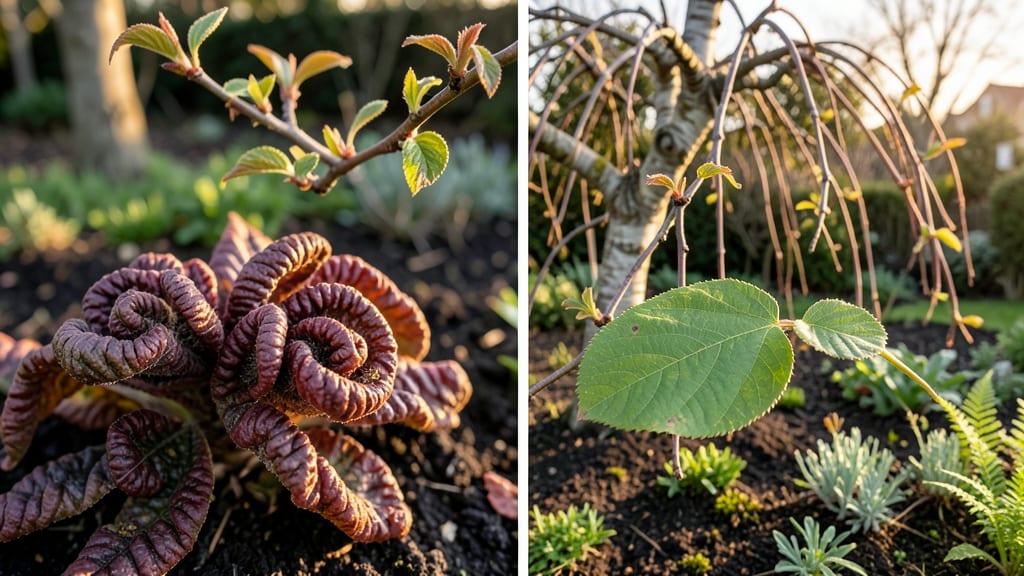
Your weeping cherry’s leaves look like they’ve been kissed by frost—crispy-edged and curled—when they’re actually fighting a fungal infection. 🌿 Leaf curl (Taphrina species) turns spring’s freshest foliage into puckered, brittle messes, but copper spray can reverse the damage in just 24 hours if caught early.
I’ve nursed back three infected trees using this exact method, and the results are nothing short of shocking.
The fungus thrives in damp, crowded conditions, so overwatering or tight spacing turns your tree into an all-you-can-eat buffet. You’ll spot symptoms in late winter or early spring: leaves emerge curled, stiff, and often with yellow or red streaks before crisping at the edges.
The good news? Copper fungicide disrupts the fungus’s life cycle, and with proper timing, your tree can bounce back to full, lush growth by summer.
Here’s the game-changer: a single application of copper spray (like Liquid Copper) in early spring, right as buds swell, stops the fungus in its tracks. Prune out severely infected branches first—sterilize your tools with rubbing alcohol to avoid spreading spores—and follow up with a second spray 10 days later.
Your tree won’t just survive; it’ll put on healthier, straighter leaves than ever before.
Prevention is easier than you think: space trees 15–20 feet apart, avoid overhead watering, and rake up fallen leaves in autumn (that’s where the fungus overwinters). With these steps, you’ll skip the crispy-edge drama entirely next season—and enjoy a canopy that’s as elegant as it is resilient.
Root Causes of Leaf Distortion
Weeping cherry trees are stunning when healthy, but leaf curl can turn their delicate foliage into a sad, puckered mess. Understanding the science behind this issue is the first step to restoring their beauty.
Below, we break down the key triggers—from fungal invaders to environmental stress—and explain why your tree’s leaves might be curling in on themselves.
Leaf curl in weeping cherries is most commonly caused by fungal pathogens, particularly Taphrina cerasi (the peach leaf curl fungus) or related species. These fungi thrive in damp, cool conditions and overwinter on infected buds or fallen leaves.
How it works:
- 🔬 Spore Germination: Fungal spores, released in spring, land on young leaves and buds. When moisture (like rain or dew) lingers for 12+ hours, spores germinate and penetrate plant tissue.
- 🧬 Cell Disruption: The fungus secretes enzymes that alter cell division, causing abnormal thickening and curling. Infected leaves may also develop a reddish or silvery hue.
- 🌱 Bud Infection: If buds are infected before bloom, the entire leaf may emerge curled or stunted. This is why early-season prevention is critical.
Actionable insight: Fungal leaf curl spreads fastest in wet springs (50°F–60°F with high humidity). If your tree is in a shaded, low-ventilation area, fungal spores have a prime breeding ground.
Not all leaf curl is fungal—environmental factors can mimic or worsen symptoms. Weeping cherries are sensitive to temperature swings and water imbalances, which can trigger curling as a defensive response.
Key triggers:
- 🔥 Heat Stress: Sudden temperature spikes above 90°F can cause leaves to curl inward to reduce water loss. This is common in drought-prone areas or after transplant shock.
- 💧 Overwatering or Poor Drainage: Soggy soil leads to root suffocation, starving leaves of oxygen. Curling is the tree’s way of limiting nutrient uptake to survive.
- 🌬️ Wind or Hail Damage: Physical trauma to young leaves can cause edge curling or puckering. Unlike fungal curl, these edges often feel crispy or brittle.
- ❄️ Winter Burn: Late-season frost or de-icing salt exposure can damage leaf tissue, leading to stunted, curled growth the following spring.
Pro tip: 🌡️ If curling appears suddenly after a heatwave or only on one side of the tree, environmental stress is likely the culprit. Check soil moisture with your finger—if it’s damp 2+ inches down, you’re overwatering.
While less common than fungi, sap-sucking insects like spider mites, aphids, or scale can cause leaf curl by disrupting nutrient flow. Their saliva contains toxins that trigger abnormal growth.
How pests cause curling:
- 🕷️ Spider Mites: These tiny arachnids pierce leaf cells to feed on sap, causing silver stippling and cupping. Severe infestations lead to premature leaf drop.
- 🐜 Aphids: Clusters of aphids excrete honeydew, which fosters sooty mold—a black fungal film that blocks sunlight. Leaves curl to minimize exposure.
- 🛡️ Scale Insects: These armored pests smother leaf surfaces, restricting gas exchange. Infested leaves often curl downward to trap moisture near the pest.
Tell-tale sign: Look for sticky residue on leaves (honeydew) or fine webbing (mites). Unlike fungal curl, pest damage is usually localized to specific branches.
Next steps: Now that you know the why, the good news is that copper-based treatments (for fungi) and proper watering (for stress) can reverse these issues. Stay tuned for our 24-hour cure guide to restore your weeping cherry’s crisp, elegant edges!
Quick Fixes for Damaged Cherry Leaves
If your weeping cherry tree’s leaves are curling, puckering, or developing unsightly edges, don’t panic—there are effective, science-backed solutions to restore its health. Below, we break down the most common causes of leaf curl and provide practical, step-by-step fixes to revive your tree.
We’ll also share prevention tips to keep your cherry tree thriving long-term.
Fungal diseases like leaf curl (often caused by Taphrina species) thrive in damp, humid conditions. If the edges of your leaves are crispy or curled with a waxy sheen, a fungal infection is likely the culprit.
🍳 Step 1: Apply a Copper-Based Fungicide
Copper is a natural fungicide that disrupts fungal spores without harming beneficial insects.
Here’s how to use it: - Choose a product: Look for copper sulfate pentahydrate (1% solution) or a pre-mixed copper fungicide spray (like Bonide Copper Fungicide). - Timing matters: Spray at dawn or dusk to avoid burning leaves in direct sunlight. - Coverage is key: Apply thoroughly to both sides of the leaves and the tree’s bark.
Use a hose-end sprayer for large trees. - Frequency: Reapply every 7–14 days during active growth (spring to early summer) or after heavy rain.
✨ Pro Tip: Mix 1 tablespoon of baking soda + 1 teaspoon of horticultural oil per gallon of water as a low-cost alternative (test on a small branch first).
👨🍳 Step 2: Prune Infected Branches
- Remove severely curled or distorted leaves with sterilized pruning shears (wipe with rubbing alcohol between cuts).
- Cut back to healthy growth—don’t leave stubs, as they can harbor spores.
- Dispose of infected debris in the trash (not compost) to prevent reinfection.
🌡️ Step 3: Improve Air Circulation
Fungal spores spread faster in crowded, humid conditions.
To prevent recurrence: - Thin out dense branches to allow sunlight and airflow. - Space trees 6–10 feet apart if planting new cherries. - Avoid overhead watering—use drip irrigation or water at the base.
If leaf curl appears suddenly without visible fungal signs, your tree may be stressed from environmental factors like heat, drought, or poor soil.
💡 Step 1: Water Deeply & Consistently
- Check soil moisture: Stick your finger 2 inches deep—if dry, water slowly and deeply (1–2 inches per week).
- Mulch properly: Apply 2–3 inches of organic mulch (wood chips, bark) around the base (but not touching the trunk) to retain moisture.
- Avoid soggy roots: Ensure the planting site has good drainage—cherry trees hate "wet feet."
🎯 Step 2: Fertilize for Recovery
Leaf curl can signal nutrient deficiencies, especially nitrogen or potassium.
- Test your soil (use a DIY soil test kit or send a sample to a local extension office).
- Apply a balanced fertilizer (10-10-10 or 5-10-10) in early spring before new growth starts.
- For potassium boost: Use wood ash (sparingly) or a potassium sulfate supplement.
🔪 Step 3: Shield from Extreme Conditions
- Heat stress? Provide afternoon shade with a lightweight shade cloth (30–50% coverage) during heatwaves.
- Cold damage? If your tree is in a frost-prone zone, consider wrapping the trunk with burlap in late fall.
Once your cherry tree recovers, keep it strong with these low-maintenance habits:
| Problem | Prevention Fix | When to Do It |
|---|---|---|
| Fungal reinfection | Spray copper fungicide before buds swell | Late winter/early spring |
| Drought stress | Deep watering + mulch | Every 7–10 days in dry spells |
| Poor soil | Compost top-dressing (1–2 inches) | Early spring & fall |
| Pests (aphids, mites) | Neem oil spray (1 tsp per gallon) | Every 2–3 weeks in summer |
| Overcrowding | Prune for airflow | Late winter (dormant season) |
- Copper spray: You may see improvement in 3–7 days, but full recovery takes 4–6 weeks of consistent treatment.
- Pruning + watering: Effects are visible within 2 weeks if the stressor is removed.
- Fertilizer: New growth should look healthier in 4–6 weeks.
🚨 Watch Out For: If leaves blacken, wilt, or drop despite treatment, your tree may have a more severe infection (like bacterial leaf spot)—consult a local arborist for stronger fungicides (e.g., chlorothalonil).
Final Thought: A little copper, some TLC, and smart prevention can turn your weeping cherry from sad to stunning in no time. 🌿✨
Frequently asked questions
Can copper spray harm my weeping cherry tree if I use too much?
Copper is safe when used correctly, but overapplication can cause leaf burn. Stick to the label instructions—typically 1–2 tablespoons per gallon of water—and avoid spraying on sunny days. Always test a small branch first. Overuse may also disrupt soil microbes, so balance is key.
How do I tell if my tree has leaf curl from fungus or just environmental stress?
Fungal leaf curl shows reddish or silvery streaks on curled leaves, often with crispy edges. Environmental stress (like drought) causes curling without color changes. Check for sticky residue (honeydew) or webbing—if present, pests may be the issue. Fungal curl also appears in spring when buds swell.
Will pruning infected branches help, or should I remove the whole tree?
Prune only severely infected branches—never the whole tree! Cut back to healthy wood, sterilize tools with rubbing alcohol, and dispose of debris in the trash. Healthy branches will regrow if the root system is strong. For advanced infections, focus on copper sprays and improved airflow.
Can I use baking soda instead of copper spray for leaf curl?
Yes! Mix 1 tablespoon baking soda + 1 teaspoon horticultural oil per gallon of water as a low-cost alternative. Spray at dawn/dusk, and reapply every 7–10 days during wet springs. While effective, copper remains the gold standard for fungal control. Test on a small area first to avoid leaf burn.
Why does my weeping cherry get leaf curl every year, even after treatment?
Recurring leaf curl often means spores persist in buds or fallen leaves. Break the cycle by raking up debris in autumn and applying copper spray before buds swell (late winter). Poor airflow or overwatering can also encourage reinfection. Space trees 15–20 feet apart and avoid overhead watering.