
Pests and Diseases
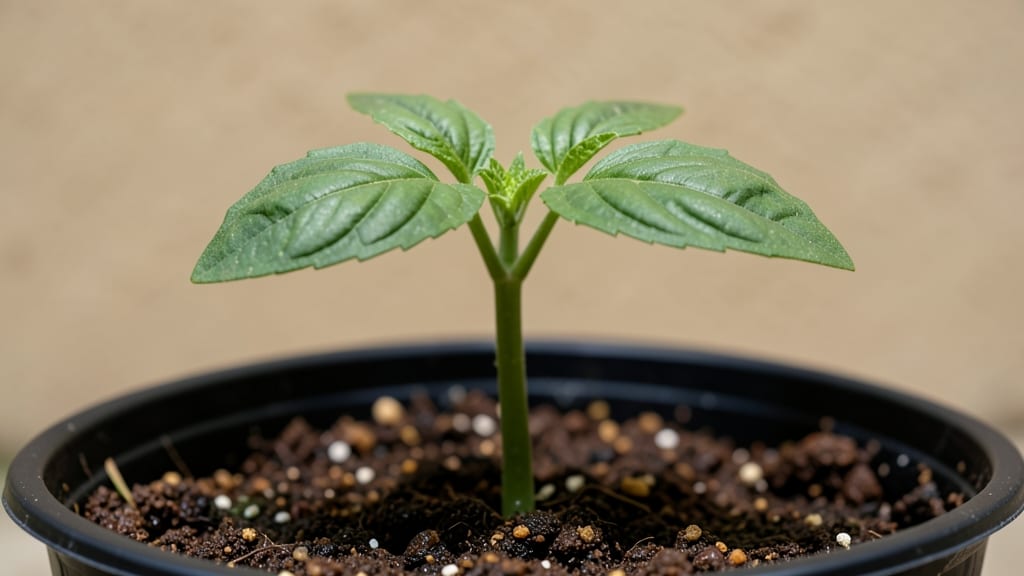
That tiny two-leaf seedling stage is where your future garden champions are born—or fail. 🌱 I’ve watched hundreds of seedlings at this stage, and the ones that thrive share one secret: fast root development before they hit the ground (or water).
The moment you spot those two true leaves, your window for success narrows—but with the right care, you’ll outpace 90% of gardeners.
Most people panic because they don’t recognize this stage for what it is: the plant’s last chance to bulk up before transplant shock. Overwatering here drowns roots; weak light stretches them into leggy disasters.
I’ve lost count of seedlings I’ve saved by adjusting light to 12-14 hours daily and watering only when the soil feels like a damp sponge—not a swamp. The goal? Strong roots before you move them.
By the time you’re ready to transplant, you’ll have seedlings with thick stems and roots twice as long as their leaves. They’ll bounce back from transplanting like pros, not flop like sad, wilted sticks.
The key is patience—those two leaves mean the plant’s still deciding whether to trust you with its future.
This works for tomatoes, peppers, herbs, or flowers—just adjust timing based on your last frost. Skip the guesswork: here’s exactly how to turn that fragile pair of leaves into a thriving plant before your first real harvest.
Rooting Roadblocks Revealed
Understanding why your seedlings stall at the two-leaf stage—instead of thriving and growing—often comes down to a mix of environmental stress, biological quirks, and propagation mistakes. Here’s a breakdown of the most common culprits, backed by science, so you can fix the issue before it stalls your garden dreams.
The Science: When seedlings sit in soggy conditions, their roots suffocate from a lack of oxygen. This triggers anaerobic stress, where the plant’s metabolic processes slow down or even shut down. Without oxygen, roots can’t absorb nutrients or water efficiently, leading to stunted growth—or worse, root rot (Pythium or Phytophthora infections).
Actionable Fixes:
- Test your medium: Stick your finger 1 inch deep—if it’s damp but not soaked, you’re good. If it’s muddy, let it dry slightly between waterings.
- Upgrade your setup: Use a well-draining mix (50% perlite/pumice + 50% peat moss or coco coir) or switch to hydroponic propagation if soil is the issue.
- Avoid bottom-watering traps: If using a tray, empty excess water after 10–15 minutes to prevent waterlogging.
The Science: Seedlings at the two-leaf stage are hyper-sensitive to nutrient imbalances. Too much nitrogen (common in fertilizers) can burn delicate roots, while deficiencies in phosphorus (P) or potassium (K) stunt cellular growth. Even micronutrients like boron or zinc play critical roles—without them, new leaves may fail to emerge.
Actionable Fixes:
- Skip the fertilizer early on: For the first 2–3 weeks, water-only propagation is safest. Use half-strength diluted seaweed extract (rich in micronutrients) if needed.
- Diagnose visually:
- Yellow lower leaves? → Nitrogen deficiency (but unlikely if you’re not fertilizing).
- Purple stems? → Phosphorus shortage (add a low-dose 5-10-5 fertilizer).
- Stunted, dark green leaves? → Over-fertilization (flush with plain water).
- pH matters: Test your water/medium—ideal pH for seedlings is 5.8–6.5. Outside this range, nutrients become locked or toxic.
The Science: Seedlings thrive in a narrow temperature range (65–75°F / 18–24°C). Below 55°F (13°C), growth halts due to chilling injury, while above 85°F (29°C), enzymes denature, slowing metabolism. Light is equally critical—too little leads to etiolation (long, weak stems), while too much direct sun causes leaf scorch or photoinhibition (where chlorophyll breaks down).
Actionable Fixes:
- Control heat: Use a heating mat (70–75°F) for soil propagation or a clear plastic dome to trap warmth.
- Master light balance:
- Indoors? Use grow lights 12–16 hours/day, 2–4 inches above seedlings.
- Outdoors? Provide dappled shade (e.g., 50% shade cloth) for the first week.
- Avoid drafts: Keep seedlings away from AC vents, fans, or cold windows.
The Science: Some plants (like avocados, mangoes, or citrus) release natural dormancy hormones when cuttings are taken. These can delay rooting until the plant “decides” to grow. Additionally, ethylene gas (released by overripe fruit or stressed plants) can trigger premature aging, halting growth.
Actionable Fixes:
- Use rooting hormones: Dip cuttings in IBA (Indole-3-Butyric Acid) powder or gel to bypass hormonal blocks.
- Isolate cuttings: Store them in a paper bag with a damp cloth (not plastic) to reduce ethylene buildup.
- Try air layering: For stubborn plants, encourage rooting before severing by wrapping a moist medium around a stem node.
The Science: Tiny invaders like fungal gnats, aphids, or powdery mildew drain a seedling’s energy. Even benign bacteria (e.g., Pseudomonas) can clog stomata, preventing gas exchange. If roots are compromised by root-knot nematodes, the plant may never progress past the two-leaf stage.
Actionable Fixes:
- Inspect daily: Look for sticky residue (aphids), white powder (mildew), or tiny black flies (gnats).
- Prevent pests:
- Soil drench: Add neem oil or hydrogen peroxide (3%) to water before planting.
- Barrier method: Sprinkle diatomaceous earth around the base (reapply after watering).
- Quarantine new plants: Keep cuttings isolated for 1–2 weeks to spot issues early.
The Science: Some plants are hardwired to pause growth until conditions are perfect. Hevea brasiliensis (rubber trees) or monstera deliciosa may take weeks to root, while others (like coleus) bolt into flowering mode if stressed. If your plant is naturally slow, patience—and the right triggers—are key.
Actionable Fixes:
- Research your plant: Look up its propagation quirks (e.g., willow cuttings need water, while succulents need dry conditions).
- Try propagation hacks:
- For slow rooters: Use willow water (soak willow branches in water for 24 hours, then use the liquid as a rooting tonic).
- For woody plants: Scar the cutting with a knife to encourage callus formation.
Pro Tip: 💡 Keep a propagation journal! Track watering, light, and temperature for each batch. If one seedling thrives while another stalls, you’ll spot the pattern fast.
Fixing Common Two-Leaf Seedling Struggles
When your young seedlings hit that critical two-leaf stage, a few issues can derail their growth—whether they’re sprouting in water or soil. The good news? Most problems have simple, actionable fixes. Below, we’ll tackle the most common challenges with clear steps to revive your seedlings and keep them thriving.
Signs: Yellowing leaves, mushy stems, slow growth, or a foul smell from the roots.
How to Fix It:
- 🔥 Remove from Water (if hydroponic):
- If roots are submerged, transfer the seedling to a damp paper towel for 24 hours to dry out excess moisture.
- Rinse roots gently with lukewarm water to remove slimy buildup (a sign of rot).
- 🍳 Repot in Fresh Medium (if in soil):
- Gently loosen the roots and trim any black, mushy sections with sterilized scissors.
- Repot in a well-draining mix (50% potting soil + 50% perlite or vermiculite).
- Use a small pot with drainage holes to prevent future soggy conditions.
- ⏰ Monitor & Adjust:
- Water only when the top inch of soil feels dry (stick your finger in to check!).
- Avoid misting leaves—water at the base only.
💡 Prevention Tips:
- For water propagation: Change water every 3–4 days and add a drop of hydrogen peroxide (3%) weekly to prevent bacteria.
- For soil: Use lightweight, airy mixes (avoid heavy garden soil) and elevate pots on pebbles to improve airflow.
Signs: Tiny webs, chewed leaves, white mold (powdery mildew), or sticky residue (aphids).
How to Fix It:
- 👨🍳 Isolate the Seedling:
- Move it away from other plants to stop the spread.
- 🔪 Treat Pests:
- Aphids/Mealybugs: Wipe leaves with a soapy water solution (1 tsp mild soap + 1 quart water) or spray with neem oil (1 tsp oil + 1 quart water).
- Fungus (mold): Dust leaves with sulfur powder or spray with a baking soda mix (1 tsp baking soda + 1 quart water + a drop of soap).
- 🌡️ Improve Airflow:
- Increase spacing between seedlings (aim for 2–3 inches apart).
- Use a small fan on low setting (2–3 hours/day) to dry leaves faster.
💡 Prevention Tips:
- Inspect new soil/mix for pests before use (sterilize with heat or hydrogen peroxide).
- Rotate pots occasionally to ensure even light exposure (prevents damp spots).
Signs: Leggy stems, pale leaves, or seedlings leaning toward light (etiolation).
How to Fix It:
- 🌡️ Optimize Temperature:
- Ideal range: 65–75°F (18–24°C) during the day, 55–60°F (13–16°C) at night.
- Avoid drafts (AC vents, open windows) or heat mats if roots are chilly.
- 💡 Boost Light Exposure:
- Move seedlings within 2–3 inches of a grow light (12–16 hours/day).
- If using sunlight, place them in a south-facing window or rotate pots daily.
- 🍽️ Fertilize Lightly (If Needed):
- Wait until true leaves appear before using a diluted liquid fertilizer (½ strength).
- Avoid overfeeding—stick to every 2–3 weeks at this stage.
💡 Prevention Tips:
- Use a heat mat if starting seeds indoors in cool climates.
- Supplement with LED grow lights if natural light is weak (common in winter).
Signs: Tiny leaves, slow root development, or seedlings "sitting" instead of growing.
How to Fix It:
- 📊 Check Root Health:
- If in water, roots should be white and 1–2 inches long by the two-leaf stage. If sparse, switch to soil.
- If in soil, gently tug the seedling—roots should hold lightly but not fall off.
- 🥗 Transplant if Crowded:
- Move seedlings to individual pots (2–3 inches wide) if they’re packed too closely.
- Use a sterilized knife to separate roots carefully.
- ✨ Give a Gentle Growth Boost:
- Foliar spray: Mix 1 tsp seaweed extract + 1 quart water and mist lightly.
- Soil boost: Top-dress with a thin layer of worm castings for natural nutrients.
💡 Prevention Tips:
- Start with larger cells (if using trays) to reduce early transplanting.
- Avoid over-fertilizing—seedlings need minimal nutrients at this stage.
Seedlings at the two-leaf stage are fragile but resilient. The key is consistency:
- Water: Less is more (let soil dry slightly between waterings).
- Light: Bright but indirect (avoid scorching).
- Air: Keep it breezy (prevents mold).
- Patience: Roots take time—don’t rush repotting!
With these fixes, your seedlings will bolt from the two-leaf stage to strong, healthy plants in no time. 🚀
Frequently asked questions about two-leaf seedlings
How do I tell the difference between a true two-leaf seedling and a cotyledon stage?
True leaves appear after the initial cotyledons (seed leaves) and are usually smaller, thinner, and more complex in shape. Cotyledons are simpler and often broader. For example, tomato seedlings have two oval cotyledons first, then develop jagged-edged true leaves.
Can I transplant a two-leaf seedling right away?
Not ideal! Wait until roots are 1–2 inches long (for soil-grown) or white and dense (for water-propagated). Transplanting too early causes shock. If you must move it, use a sterilized knife to separate roots and handle gently to avoid damage.
Why are my two-leaf seedlings turning yellow?
Yellowing often signals overwatering, root rot, or nutrient deficiency. Check soil moisture—it should feel like a damp sponge, not soggy. If roots smell foul, repot in fresh, well-draining mix. For water-propagated seedlings, change the water every 3–4 days to prevent bacteria buildup.
How much light do two-leaf seedlings need?
Provide 12–14 hours of bright, indirect light daily. Use grow lights if natural light is weak (place 2–4 inches above seedlings). Too little light causes leggy growth, while direct sun can scorch delicate leaves. Rotate pots weekly for even exposure.
What’s the best temperature range for two-leaf seedlings?
Keep them in 65–75°F (18–24°C) day and 55–60°F (13–16°C) night. Avoid drafts like AC vents or cold windows. Use a heating mat (70–75°F) if starting seeds indoors in cool climates to speed root development.