
Companion Plants
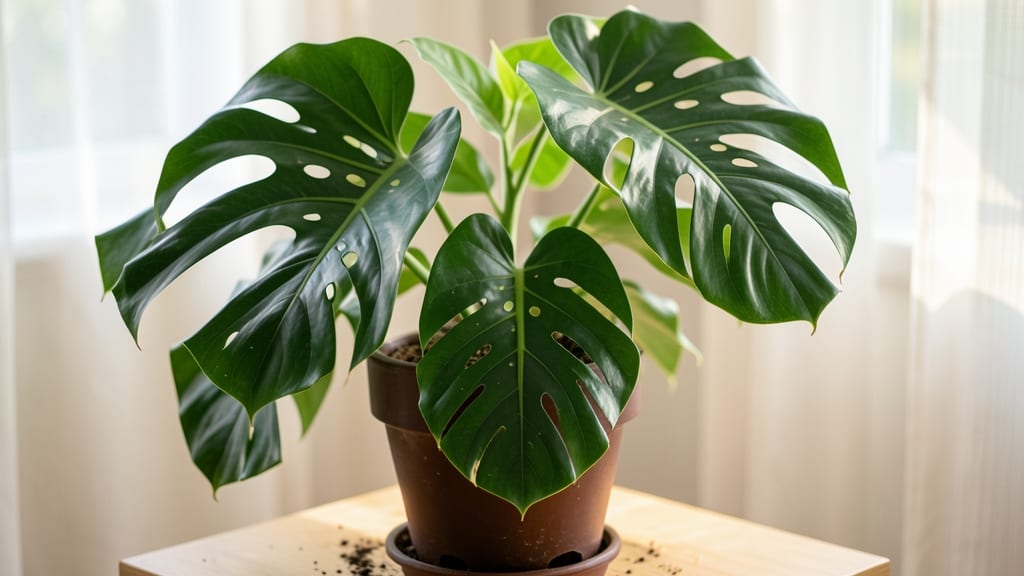
Fast-growing tropical big leaf plants turn any space into a jungle retreat. 🌿 I’ve learned the hard way that these shade-loving giants need the right balance of humidity, light, and patience—but once you get it right, they grow so quickly you’ll forget they were ever small.
The key is mimicking their natural understory habitat, whether indoors or out. These plants thrive in bright, indirect light (think dappled sunlight through trees) and demand high humidity—mist them daily or use a pebble tray if your home stays dry.
My Monstera deliciosa now has leaves the size of my hand, all from a tiny cutting I rooted last spring. The secret? Well-draining, rich soil mixed with perlite to keep roots happy without waterlogging.
You’ll notice new growth within 4-6 weeks if conditions are perfect, with those iconic split leaves emerging like clockwork. Prune leggy stems to encourage bushier growth, and watch as your plant becomes the dramatic centerpiece of any room. The best part?
They clean the air while looking like a tropical vacation. Works for both indoor pots and outdoor shade gardens—just protect them from harsh afternoon sun. Here’s how to keep them thriving year-round without the common pitfalls.
📚 In This Guide
- What you need
- Instructions
- Tips and common mistakes
- Wrapping up and next steps
What you need
- ● Tropical big-leaf plants: 3–5 plants (e.g., Alocasia, Philodendron, Monstera deliciosa, or Calathea—choose based on your climate zone).
- ● Well-draining potting mix: 10–20 gallons (for containers) or amend garden soil with 50% peat/compost and 50% perlite/sand for optimal aeration.
- ○ Containers (optional but recommended): 12–18" pots with drainage holes (1–2 per plant) or a raised bed for ground planting.
- ● Organic fertilizer: Balanced liquid fertilizer (10-10-10 or 20-20-20) or slow-release granules (e.g., fish emulsion or worm castings).
- ● Mulch: 2–3 inches of shredded bark or coconut coir to retain moisture and regulate temperature.
- ● Gloves & long sleeves: Protect your skin from sap (some plants like Alocasia can irritate).
- ● Trowel or garden spade: For transplanting or digging holes (6–8" deep for roots).
- ● Watering can or hose with a gentle nozzle: Big leaves need 1–2 inches of water weekly (adjust for humidity).
- ○ Humidity tray or pebble tray (optional): Elevates humidity for tropical plants in dry climates.
- ○ Support stakes (optional): For vining plants like Monstera or Philodendron (bamboo stakes or trellises).
- ● Pruning shears: To trim yellowed or overgrown leaves for better airflow.
How to grow tropical big leaf plants for rapid canopy growth
Here's my go-to method for coaxing lush, fast-growing tropical foliage indoors—no greenhouse required.
🌱 Step 1: Select the Right Varieties for Fast Growth
Start with proven big-leaf performers like Philodendron Brasil or Monstera deliciosa—both shoot up 12-18 inches annually under ideal conditions. Avoid slow-growers like Fiddle Leaf Figs, which take years to develop that signature leaf size. I always check the underside of leaves for aerial roots—that's your first clue the plant's ready for aggressive growth.
Buy established 4-6 inch plants from reputable nurseries. Seed-grown specimens take too long to reach canopy potential, and you'll miss out on 6-12 months of growth. Look for plants with bright green, glossy leaves and no brown patches—those are signs of stress that'll slow you down.
☀️ Step 2: Position for Indirect Light and High Humidity
Place your plants 3-6 feet from an east or north-facing window where they'll get bright, indirect light for 10-12 hours daily. Direct sun will scorch those big leaves, and too little light means slow, leggy growth. I test light levels by holding my hand near the plant—if you can barely see your fingers, the light's just right.
Boost humidity to 60-70% by grouping plants together or using a pebble tray with water beneath the pot. Mist leaves 2-3 times weekly with room-temperature water, focusing on the undersides where roots form. You'll know humidity's perfect when leaves stay plump and vibrant instead of crisping at the edges.
💧 Step 3: Water Deeply When Soil Dries 2-3 Inches Down
Water when the top 2-3 inches of soil feel dry to the touch—stick your finger in to check. Tropicals hate soggy roots but also can't handle drying out completely. I use room-temperature water (never cold) and pour until it drains freely from the bottom. Let excess water drain away completely to prevent root rot.
Fertilize every 4-6 weeks during spring and summer with a balanced liquid fertilizer (10-10-10) diluted to half strength. You'll see new leaves emerging every 4-6 weeks if the plant's happy. Yellowing leaves mean you're overwatering or using tap water with too many chemicals—switch to filtered or distilled water if needed.
✂️ Step 4: Prune to Encourage Bushier Growth
Trim back leggy stems by cutting just above a leaf node where new growth will sprout. This redirects energy into thicker, bushier foliage instead of one long vine. I prune in early spring when new leaves start unfurling—this is when plants recover fastest. Wear gloves; some tropicals have sap that irritates skin.
Propagate cuttings immediately by dipping in rooting hormone and planting in moist perlite. Keep humidity high and roots form in 4-6 weeks. You'll have 3-4 new plants from one pruning session, all growing at the same rapid pace as your mother plant.
🌿 Step 5: Rotate and Monitor for Pests Weekly
Turn pots quarter-turn weekly so all sides get even light exposure. This prevents lopsided growth where leaves stretch toward one window. Check undersides of leaves for spider mites or mealybugs—common pests that thrive in dry air. Wipe leaves with a neem oil solution (1 tsp per quart of water) if you spot any webbing or cottony residue.
Repot every 12-18 months when roots circle the pot. Upgrade to a container just 2 inches wider—bigger pots slow growth while you're trying to maximize leaf size. The first new leaves after repotting will be largest yet, signaling your plant's ready for another growth spurt.
Tips & tricks for perfect tropical big leaf plants
Real talk: The difference between a struggling houseplant and a jungle canopy indoors often comes down to these small details.
Light Level Test: That "hand test" for light levels in Step 2 is genius—here's how to refine it. Hold your hand near the plant during daylight hours. If you can see your fingers clearly, move it closer to the window. If you can barely see them, you're in the perfect 3-6 foot range. I've found that east-facing windows give the most consistent 10-12 hours of indirect light without the harsh afternoon sun.
Humidity Hack: For the 60-70% humidity goal, try this: Place your plants on a tray filled with pebbles and water, then set the pot on top. The evaporation creates a microclimate. I add a few drops of apple cider vinegar to the water monthly—it helps prevent fungal growth while maintaining humidity. This works better than misting alone because it keeps moisture levels steady rather than fluctuating.
Watering Wisdom: The 2-3 inch soil check in Step 3 is spot-on, but here's what nobody tells you: Stick your finger in the soil at different spots—some areas might be drier than others. Tropical plants have roots that spread unevenly, so check multiple points. I've ruined plants by assuming uniform moisture when really, one side was bone dry while the other was still damp. Also, use a moisture meter for accuracy if you're unsure.
Growth Boost: When you see those aerial roots in Step 1, that's your plant's way of saying "I'm ready for more!" Instead of waiting for repotting, you can encourage faster growth by gently tucking those roots into the soil now. This gives your plant a head start on establishing a stronger root system. Just be gentle—you don't want to damage the delicate roots while they're still developing.
Pro Tips for Tropical Big Leaf Plants
- Real talk: The difference between a struggling houseplant and a jungle canopy indoors often comes down to these small details.
- Light Level Test: That "hand test" for light levels in Step 2 is genius—here's how to refine it.
- Humidity Hack: For the 60-70% humidity goal, try this: Place your plants on a tray filled with pebbles and water, then set the pot on top.
Frequently asked questions
Got questions about growing tropical big leaf plants? You’re not alone! Here are some of the most common queries—plus quick, practical answers to help you thrive with these lush, fast-growing beauties.
What are the best tropical big leaf plants for beginners?
Start with Alocasia, Philodendron bipinnatifidum (tree philodendron), or Monstera deliciosa (swiss cheese plant). These are hardy, forgiving, and perfect for beginners. They tolerate lower light better than fussy tropicals and bounce back from occasional neglect.
How fast do tropical big leaf plants grow?
Expect rapid growth—especially in ideal conditions (bright, indirect light, high humidity, and rich soil). Some, like Philodendron bipinnatifidum, can grow 2–3 feet per year, while others like Monstera may take 1–2 years to reach maturity. Prune regularly to encourage bushier growth!
How often should I water tropical big leaf plants?
Water when the top 1–2 inches of soil feel dry—usually every 5–7 days in warm weather. Overwatering is the #1 killer! Ensure pots have drainage holes, and use well-draining soil mixed with perlite or orchid bark to prevent root rot.
Can tropical big leaf plants grow in full shade?
Most thrive in bright, indirect light but can survive in low light (like north-facing windows). However, expect slower growth and smaller leaves. If leaves yellow or grow leggy, move them closer to a window or supplement with a grow light.
What pests commonly attack tropical big leaf plants, and how do I treat them?
Watch for spider mites, mealybugs, or scale on undersides of leaves. Treat early with neem oil or insecticidal soap, and wipe leaves with a damp cloth to remove pests. Increase humidity (60%+) to deter mites—these plants love it!
Can I grow tropical big leaf plants outdoors in cold climates?
Nope! Most tropical big leaf plants are tender perennials and die in temps below 50°F (10°C). Grow them as houseplants or in containers you can bring indoors in winter. If you’re lucky enough to live in a frost-free zone (USDA zones 10–12), plant them in shaded garden beds.
Wrapping up and next steps
Tropical big leaf plants are the perfect way to transform your space into a vibrant, lush oasis—even in shady spots! 🌿 Whether you're a seasoned gardener or just starting, these fast-growing beauties offer low-maintenance elegance and dramatic foliage.
Their ability to thrive in shade makes them a game-changer for under-canopy gardens, balconies, or indoor jungles.
Ready to dive in? Start by picking one or two varieties that match your space and light conditions, then gather your supplies. Plant with confidence—your future canopy awaits! 🌱✨