
Pruning
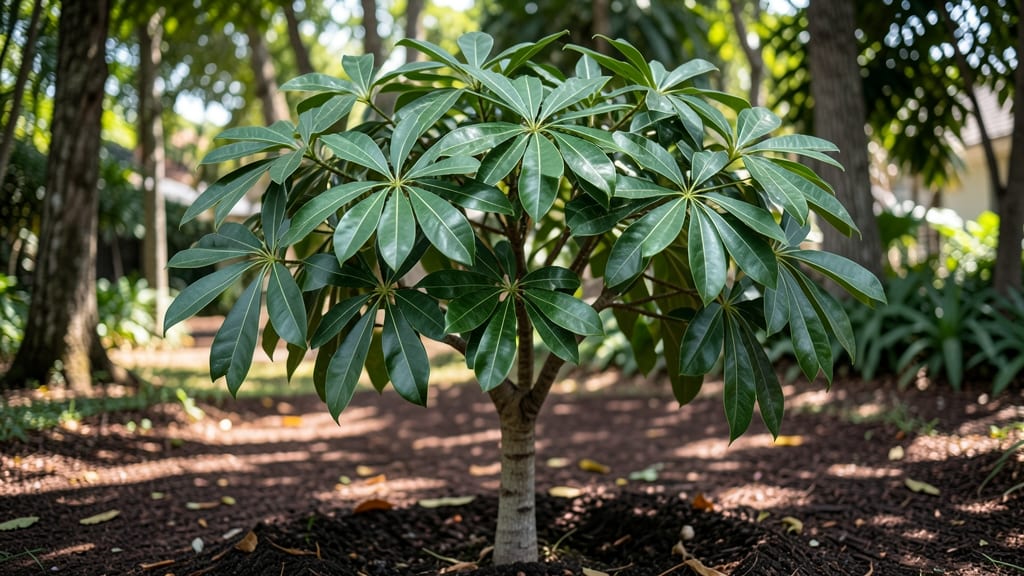
That five-pointed leaf shape means you’ve got a tree with serious year-round appeal—think maples or chinaberries. ✂️ Pruning these trees isn’t just about shaping; it’s about keeping them healthy, strong, and structurally sound through every season.
I’ve learned the hard way that cutting at the wrong time or in the wrong places can turn a beautiful tree into a tangled mess.
Most people wait until late winter or early spring, but the real secret is strategic timing—prune too late, and you risk encouraging new growth that won’t harden off before frost.
Start with clean cuts just outside the branch collar, and avoid over-thinning the canopy, which can leave branches vulnerable to storm damage. Even a small tree can handle 20-30% of its branches removed in one session if done right.
By summer, you’ll see the difference: stronger branches, fewer weak limbs, and a tree that looks as good from your kitchen window as it does from the street. The key is patience—prune a little at a time, and you’ll avoid the shock that can stress younger trees.
Think of it like sculpting: every cut should serve a purpose, whether it’s removing dead wood, opening up the center for light, or shaping for safety.
Works for both shade trees and ornamental varieties, and the same principles apply whether you’re working with a young sapling or a mature giant. Here’s how to make every trim count without sacrificing next year’s growth.
The Hidden Triggers Behind Five-Point Leaves
If you’ve ever spotted a tree with an unusual five-point leaf—where four leaflets surround a central one—you might be wondering why nature sometimes breaks the mold. While most trees follow predictable leaf structures (like the classic trifoliate or simple broadleaf), these five-pointed leaves aren’t just a random quirk.
Several genetic, environmental, and mechanical factors can influence their development. Let’s dive into the science behind why some trees grow these distinctive foliage patterns.
Nature isn’t always consistent, and sometimes, a tree’s DNA decides to throw in a wild card. Five-pointed leaves can emerge due to:
- Genetic mutations: Random changes in a tree’s genetic code (like a misplaced or duplicated gene) can alter leaf development. For example, some Quercus (oak) species occasionally produce extra leaflets due to mutations in genes controlling leaf morphology.
- Hybrid vigor: When two tree species interbreed, their offspring may inherit a mix of traits—sometimes resulting in unusual leaf structures. A classic example is the Robinia pseudoacacia (black locust), which can produce five-pointed leaves when crossbred with related species.
- Polyploidy: Some trees have extra sets of chromosomes (e.g., tetraploid or hexaploid varieties), leading to developmental quirks like additional leaflets. This is more common in cultivated or grafted trees.
Actionable tip: If you’re growing a tree from seed or grafting, be aware that genetic variability can lead to unexpected leaf shapes. If you’re pruning a tree with five-pointed leaves, assume it’s part of its natural identity—don’t force uniformity!
Trees are resilient, but extreme conditions can push them into producing atypical leaves. Stress factors like:
- Physical damage: If a growing leaf bud is partially crushed (e.g., by hail, heavy snow, or animals), the tree may compensate by splitting the leaf into extra segments to maximize photosynthesis. This is common in young, flexible-leaved species like Fagus (beech) or Betula (birch).
- Nutrient deficiencies: A lack of key nutrients (like nitrogen, phosphorus, or micronutrients like zinc or manganese) can disrupt cell division in leaf meristems (growth points), leading to malformed or extra leaflets.
- Temperature fluctuations: Sudden cold snaps or heatwaves during leaf formation can stunt growth or cause abnormal branching. Some trees, like Ginkgo biloba, may produce five-pointed leaves as a stress response.
- Water stress: Drought or overwatering can trigger compensatory growth, where the tree prioritizes survival over perfect leaf structure. This often results in smaller, lobed, or segmented leaves.
Pro tip: 🌡️ If your tree’s leaves are developing oddly, check soil moisture and nutrient levels. A balanced fertilizer (like a slow-release 10-10-10) or mulching can help stabilize growth. Avoid pruning stressed leaves—let the tree recover naturally.
Humans aren’t always gentle with trees—and sometimes, our pruning habits backfire. Aggressive or improper trimming can directly influence leaf development:
- Over-pruning young shoots: If you cut back a tree’s apical bud (the topmost growth point) too early, lateral buds may sprout with altered genetic signals, leading to extra leaflets. This is common in Prunus (cherry/plum) or Malus (apple) trees.
- Root disturbance: Digging near roots or compacting soil can stress the tree, causing it to produce smaller, segmented leaves as a survival tactic. Even transplant shock can trigger this response.
- Grafting or propagation errors: If a tree is grafted from a scion (desired variety) onto a rootstock with different growth patterns, the junction can produce hybrid leaves—sometimes with five points.
Key takeaway: ⏰ When pruning, focus on removing dead or diseased wood rather than shaping young leaves. Use sharp tools to avoid tearing buds, and prune in late winter/early spring (dormant season) to minimize stress.
Not all five-pointed leaves are a sign of trouble—some trees are supposed to grow them! Certain species naturally exhibit this trait due to:
- Evolutionary adaptations: Trees like the Ginkgo biloba (maidenhair tree) or some Celtis (hackberry) species have fan-shaped or lobed leaves that can resemble five points when mature.
- Species-specific genetics: The Sophora japonica (Japanese pagoda tree) often produces compound leaves with five leaflets as part of its standard growth pattern.
- Age-related changes: Mature trees sometimes develop more complex leaf structures as they age, especially in broadleaf evergreens like Magnolia species.
Fun fact: ✨ Some five-pointed leaves are prized in horticulture! If your tree has this feature naturally, embrace it—it might be a rare or desirable trait. Just avoid pruning to "fix" it unless the leaf is diseased or blocking light.
Fixing Common Trimming Mistakes
Pruning a tree with five-pointed leaves (like the iconic Acer palmatum or Ginkgo biloba) requires precision to maintain its natural beauty and health. If your tree looks overgrown, leggy, or stressed, these targeted fixes will help you restore its structure—without harming it.
Below, we’ve mapped common issues to practical solutions, including prevention tips to keep your tree thriving year-round.
---
Cause: Too many branches growing too close together, leading to weak growth, disease, or dead wood.
How to Fix It: 1. 🔪 Identify the Culprits Look for branches that cross, rub against each other, or grow straight upward (called "water sprouts"). These are prime candidates for removal. 2. 🍃 Thin Out Strategically - Use clean, sharp pruners (sterilized with rubbing alcohol) to make cuts just outside the branch collar (the swollen area where the branch meets the trunk). - Remove one-third of the overcrowded branches in one session to avoid shocking the tree. 3. 🌟 Prioritize Airflow Focus on branches blocking sunlight or airflow to the tree’s center. Aim for an open, vase-like shape to encourage even growth.
💡 Prevention Tip: - Prune in late winter or early spring (before new growth starts) to avoid stressing the tree during dormancy. - Space branches 6–12 inches apart when training young trees to prevent future overcrowding.
---
Cause: Insufficient light or improper pruning techniques, causing branches to grow long and thin with sparse foliage.
How to Fix It: 1. 🌿 Trim Back Overly Long Branches - Cut just above a leaf node (the bump where leaves attach) to encourage bushier growth. - Avoid "topping" (cutting the main stem flat)—this creates ugly, weak regrowth. 2. 🍃 Stimulate New Growth - For Acer palmatum (Japanese maple), prune in late winter to shape the canopy while preserving its delicate structure. - For Ginkgo biloba, prune in early spring to avoid sap bleeding. 3. 🌟 Use the "Third-Eye" Rule When pruning, imagine the tree’s natural shape. Remove branches that disrupt this vision, focusing on balanced layers.
💡 Prevention Tip: - Fertilize lightly in early spring to support new growth without overfeeding (which can lead to weak branches). - Mulch around the base (but avoid piling against the trunk) to retain moisture and encourage strong root development.
---
Cause: Fungal infections, pests, or environmental stress (like drought or frost) can kill branches, making them brittle or discolored.
How to Fix It: 1. 🔍 Inspect for Signs of Life Scratch the bark with your fingernail—if it’s green underneath, the branch may still be alive. If it’s brown and crumbly, remove it immediately. 2. 🔪 Cut at the Right Angle - Use bypass pruners for small branches and a pruning saw for thicker ones. - Cut 1/4 inch above a healthy bud or branch collar, angled slightly away from the trunk. 3. 🌡️ Sterilize Your Tools Wipe pruners with 10% bleach solution (1 part bleach to 9 parts water) or rubbing alcohol between cuts to prevent spreading disease.
💡 Prevention Tip: - Water deeply but infrequently (1–2 inches per week) to avoid fungal growth from excess moisture. - Avoid pruning during wet weather—fungi thrive in damp conditions.
---
Cause: Uneven sunlight exposure, aggressive pruning on one side, or natural growth habits.
How to Fix It: 1. 📏 Assess the Tree’s "Silhouette" Step back and compare both sides. Identify gaps or overly dense areas. 2. 🍃 Prune to Restore Balance - If one side is sparse, shorten branches on the opposite side to encourage new growth where it’s needed. - For Acer palmatum, avoid heavy pruning—focus on selective trimming to maintain its graceful form. 3. 🌟 Use the "Thirds Rule" Divide the tree into thirds (top, middle, bottom) and ensure each section has similar density and branch spread.
💡 Prevention Tip: - Rotate the tree’s exposure if possible (e.g., move potted trees) to ensure even sunlight. - Prune incrementally—never remove more than 25% of the canopy in one session.
--- - 🍂 Fall: Remove fallen leaves to reduce pest habitats. - 🌨️ Winter: Protect young trees from frost with burlap wraps if needed. - 🌱 Spring: Apply a balanced fertilizer (10-10-10) to support recovery after pruning. - 🌞 Summer: Monitor for pests like spider mites—spray with neem oil if detected.
--- By following these targeted fixes, your five-pointed leaf tree will regain its strength, structure, and stunning seasonal foliage. Remember: patience and precision are key—never rush the process! 🌿✂️
Frequently asked questions about five-pointed leaf trees
Which common trees have five-pointed leaves?
The most recognizable five-pointed leaf trees include Japanese maples (Acer palmatum), chinar trees (Melia azedarach), and some hackberry (Celtis) varieties. These trees often develop palmate (hand-shaped) leaves with five distinct points, though the exact shape can vary by species and age.
Can I prune my five-pointed leaf tree in summer?
Light pruning for safety (like removing dead branches) is fine in summer, but avoid heavy shaping. For best results, focus on late winter/early spring pruning when the tree is dormant. Summer cuts can stress the tree and encourage weak, water-sprout growth that’s prone to disease.
Why do some leaves on my tree have five points while others have three?
This variation is normal! Many trees produce different leaf shapes due to genetic variability or environmental factors. Young trees often develop more complex leaves as they mature, while stress (like drought or poor soil) can simplify leaf structure. If the pattern persists, it’s likely part of your tree’s natural growth habit.
How do I tell if my tree’s five-pointed leaves are healthy?
Healthy leaves should be vibrant green, firm to the touch, and free of holes or discoloration. Check for strong veins radiating from the center and no yellowing or browning at the edges. If leaves appear curled, spotted, or drop prematurely, your tree may need better water, nutrients, or pest control.
Can I propagate a tree with five-pointed leaves from cuttings?
Some species like chinar trees root easily from semi-hardwood cuttings taken in late spring/early summer. For others (like maples), grafting or seed propagation works better. Always use sterile tools and rooting hormone to improve success rates—patience is key, as some cuttings take months to establish roots.