
Pests and Diseases
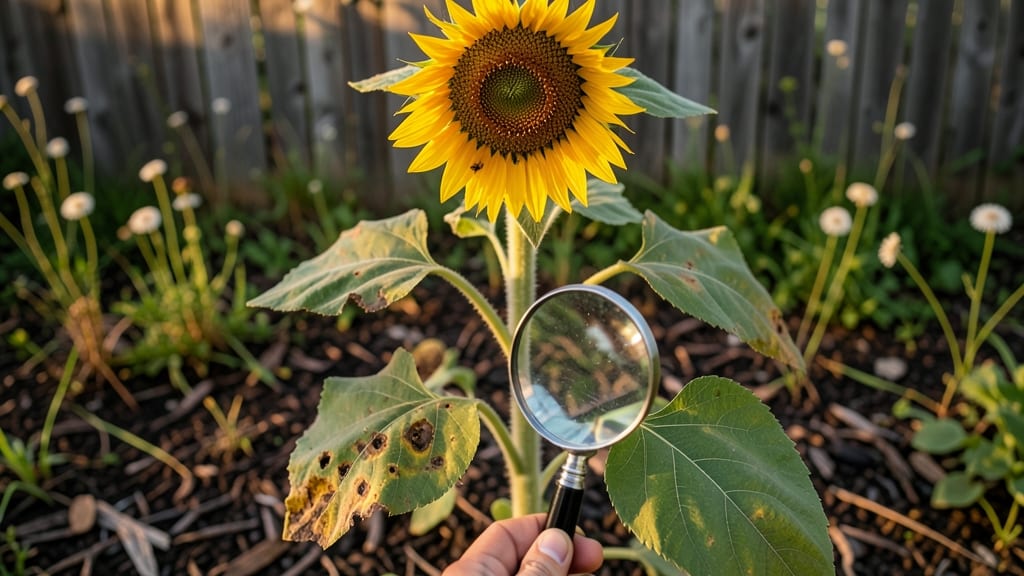
Sunflower leaf problems turning coppery? That’s your plant’s SOS signal. 🌻 I’ve seen this happen after just a few days of stress—whether from fungal infections, thirsty roots, or hungry pests—and the good news is, it’s fixable before the stems snap.
The coppery spots usually mean powdery mildew, but aphids or nutrient burn can mimic it too. Check the undersides of leaves for white fuzz (mildew) or sticky residue (aphids). If the spots spread fast, act within 24-48 hours—that’s how you stop it before the whole plant wilts.
You’ll need a mix of neem oil spray, pruning shears, and a fan for airflow. Within a week, you’ll see fresh green leaves pushing out, and the plant will bounce back stronger than before. The key is catching it early—don’t wait until the stems turn hollow.
This works for both backyard sunflowers and container plants, so no matter your setup, you can save them. The worst part? Ignoring the first signs. But once you spot the copper, you’re already ahead of most gardeners.
Why it happens
Sunflower leaves develop distressing spots, wilts, or discoloration for a mix of biological, environmental, and cultural reasons. Understanding these triggers is the first step to preventing outbreaks and saving your crop.
Below, we break down the primary culprits behind sunflower leaf problems—from microscopic pathogens to weather-related stress—so you can act fast.
Fungal, bacterial, and viral pathogens are the #1 cause of sunflower leaf damage, often spreading unnoticed until symptoms flare up. These microbes exploit weak spots in plant defenses, thriving in warm, humid conditions.
- Fungal Diseases (e.g., Rust, Downy Mildew, White Mold)
Fungi like Puccinia helianthi (rust) or Plasmopara halstedii (downy mildew) infect leaves through spores, which land on surfaces and germinate in moisture.
Rust causes orange-brown pustules, while downy mildew creates yellow patches with fuzzy white growth on undersides. Why it happens: Overhead irrigation, poor airflow, and dense plantings create the perfect breeding ground.
- Bacterial Leaf Spot (Xanthomonas campestris pv. helianthi)
Bacteria enter through wounds (e.g., hail damage) or natural openings like stomata. They produce water-soaked, coppery-brown spots with yellow halos. Why it happens: Contaminated water, tools, or infected seed can introduce bacteria, which spread rapidly in wet, warm weather (75–85°F).
- Viral Infections (e.g., Tomato Spotted Wilt Virus)
Viruses like TSWV are spread by thrips (tiny insects) feeding on infected plants. Symptoms include mosaic patterns, stunted growth, and necrotic (dead) tissue. Why it happens: Viruses don’t survive long in soil but rely on insect vectors—once introduced, they multiply uncontrollably in phloem tissues.
💡 Pro Tip: Early morning is the best time to scout for fungal spores (use a handheld magnifier) or bacterial ooze (press a leaf gently—if yellow fluid leaks out, it’s bacterial).
Sunflowers are hardy, but extreme or inconsistent conditions can trigger leaf problems that mimic diseases or pests. These issues are often non-infectious and can be managed with cultural adjustments.
| Stressor | Symptoms | |
|---|---|---|
| Heat Stress | Scorched, crispy edges; bleached or white patches; wilting | Temperatures above 90°F (32°C) disrupt photosynthesis, causing oxidative damage. Sunflowers wilt to reduce water loss but may develop necrotic spots if stress persists. |
| Water Deficiency/Drought | Dull green/yellow leaves; curling; dry, brittle edges | Sunflowers need 1–1.5 inches of water weekly. Drought triggers abscisic acid (a stress hormone) that closes stomata, reducing gas exchange and leading to chlorosis (yellowing). |
| Excess Moisture | Yellowing between veins; root rot; soft, mushy stems | Poor drainage or overwatering suffocates roots, cutting off nutrient uptake. Pythium or Phytophthora fungi exploit soggy soil, causing root rot and leaf collapse. |
| Nutrient Imbalances |
|
Sunflowers are heavy feeders. Nitrogen fuels leaf growth, while magnesium (central to chlorophyll) and potassium (osmoregulation) prevent stress symptoms. Over-fertilizing with synthetic N can also burn roots, worsening uptake issues. |
🌡️ Pro Tip: Use a soil moisture meter to avoid guesswork—sunflowers prefer 60–70% soil moisture but can’t tolerate waterlogged conditions. Mulch with straw to regulate temperature and retain moisture.
Insects and mites feed on sunflower leaves, sap, or roots, leaving behind physical damage that invites secondary infections. Unlike pathogens, pests are mobile and can spread rapidly.
- Sunflower Moth (Homoeosoma electellum)
Larvae bore into stems and leaves, creating irregular holes and silken webbing. Why it happens: Adult moths lay eggs in late summer; larvae overwinter in plant debris, emerging when temps rise above 60°F (15°C).
- Spider Mites (Tetranychus urticae)
These microscopic pests suck sap, causing stippling (tiny white/yellow dots) and webbing on undersides. Severe infestations turn leaves gray and crispy. Why it happens: They thrive in dry, hot conditions (below 50% humidity) and multiply exponentially when natural predators (like ladybugs) are absent.
- Aphids (Myzus persicae)
Clusters of aphids excrete honeydew, a sticky residue that fosters sooty mold (a black fungal growth). Leaves curl and distort from feeding damage. Why it happens: Aphids are attracted to new growth and spread via wind or ants (which farm them for honeydew).
- Rootworms (Diabrotica spp.)
Adults chew notches in leaves, while larvae feed on roots, stunting plants. Why it happens: They thrive in compacted or nutrient-poor soil and are drawn to sunflower’s deep taproots.
🔥 Pro Tip: Check leaf undersides and new shoots daily during peak pest seasons (late spring to early fall). Use a blue sticky trap to monitor aphid/moth activity—if you catch 5+ insects per week, act fast with neem oil or insecticidal soap.
Fixing Sunflower Leaf Issues Fast
Once you’ve spotted the trouble on your sunflower leaves—whether it’s mysterious coppery spots, yellowing edges, or chewed-up foliage—it’s time to take action. The good news? Most sunflower leaf problems have simple, effective fixes.
Below, we’ll break down practical solutions for each common issue, plus prevention tips to keep your plants thriving. Let’s get your sunflowers back to their golden glory!
Cause: Alternaria or Septoria leaf spot fungi thrive in damp, humid conditions. Fix It: 🍳 Remove infected leaves – Snip off severely spotted leaves with clean scissors and dispose of them in the trash (not compost). This stops spores from spreading. 👨🍳 Apply fungicide – Use a copper-based fungicide (like copper sulfate) or a neem oil spray (1 tbsp neem oil + 1 tsp mild soap per quart of water). Spray early in the morning when leaves are dry to avoid burning. 🥘 Improve airflow – Space plants 12–18 inches apart and avoid overhead watering. Use a fan on low to dry leaves faster. ⏰ Rotate crops – If you replant sunflowers in the same spot next year, wait 3 years before returning them to prevent fungal buildup.
💡 Pro Tip: Mix 1 tsp baking soda + 1 tbsp vegetable oil + 1 quart of water for a DIY fungicide. Spray weekly until symptoms fade.
Cause: Overwatering, nutrient deficiency (especially nitrogen or magnesium), or root rot. Fix It: 💧 Check your watering habits – Sunflowers hate soggy roots! Water only when the top 1–2 inches of soil are dry. Use a moisture meter if unsure. 📊 Test soil nutrients – A simple soil test kit (available at garden centers) can reveal deficiencies. If nitrogen is low, add compost or a balanced fertilizer (10-10-10). 🌡️ Fix magnesium deficiency – If leaves show yellowing between veins, sprinkle Epsom salt (magnesium sulfate) around the base (1 tbsp per plant). Water it in. ✨ Repot if needed – If roots look mushy or black (root rot), repot in fresh, dry soil and reduce watering immediately.
💡 Pro Tip: Mulch with straw or wood chips to retain moisture without suffocating roots.
Cause: Aphids, beetles, or slugs munching on tender leaves. Fix It: 🔪 Handpick pests – Early in the morning, drop pests into soapy water (1 gallon water + 1 tbsp dish soap). Check under leaves daily. 🌿 Spray with insecticidal soap – Mix 2 tbsp castile soap + 1 quart water and spray directly on pests (avoid spraying flowers). Repeat every 3–4 days. 🎯 Set traps for slugs – Place beer traps (bury a shallow dish filled with beer) or copper tape around the base to deter slugs. 🌞 Encourage predators – Attract ladybugs and lacewings by planting dill, marigolds, or alyssum nearby—they eat aphids!
💡 Pro Tip: Neem oil (1 tbsp + 1 tsp soap per quart of water) works on both fungi and pests. Spray in the early evening to avoid harming bees.
Cause: Too much direct sun, especially in hot climates or after transplanting. Fix It: 🌿 Provide afternoon shade – Use a light shade cloth (30–50%) or move pots to a slightly shadier spot (east-facing is ideal). 💧 Water deeply in the morning – Sunflowers need 1–2 inches of water per week, but morning watering prevents evaporation. 🌱 Adjust planting time – If you’re in a hot, dry climate, start seeds 4–6 weeks earlier or choose heat-tolerant varieties like ‘Autumn Beauty’. 🌡️ Mulch heavily – Apply 3–4 inches of mulch (straw or grass clippings) to retain moisture and cool roots.
💡 Pro Tip: Mist leaves lightly in extreme heat (but avoid wetting them at night to prevent fungal growth).
Want to avoid sunflower leaf problems in the future?
Follow these easy habits: ✅ Rotate crops – Don’t plant sunflowers in the same spot yearly. ✅ Space plants properly – 12–18 inches apart for airflow. ✅ Water at the base – Never overhead to prevent fungal spores. ✅ Monitor early – Check leaves 2–3 times a week for signs of trouble. ✅ Keep tools clean – Sterilize pruners with rubbing alcohol between plants.
With these quick fixes and smart prevention, your sunflowers will stay healthy, vibrant, and pest-free—so you can enjoy those show-stopping blooms all season long! 🌻✨
Frequently asked questions
Why are my sunflower leaves turning coppery?
Coppery spots on sunflower leaves usually signal powdery mildew or rust fungus, both thriving in humid conditions. Check leaf undersides for white fuzz (mildew) or orange pustules (rust). Overcrowded plants or poor airflow create the perfect breeding ground. Prune affected leaves immediately and improve ventilation with a small fan or wider spacing.
Can I save sunflowers with yellowing edges?
Yellowing edges often mean nutrient deficiency (like nitrogen or magnesium) or overwatering. Test your soil first—if it's dry, water deeply at the base. For deficiencies, add compost or Epsom salt (for magnesium). Reduce watering if soil stays soggy longer than 24 hours after watering. Most sunflowers bounce back within 1-2 weeks with proper care.
What should I do if my sunflower leaves have holes?
Holes in leaves mean insect damage—likely from sunflower moth larvae or beetles. Handpick visible pests early in the morning and drop them in soapy water. For severe cases, spray with neem oil (1 tbsp + 1 tsp soap per quart of water) in the evening. Plant marigolds nearby to attract predator insects like ladybugs that eat these pests naturally.
How often should I check my sunflowers for problems?
Inspect your sunflowers 2-3 times weekly, focusing on leaf undersides and new growth. Early detection is key—especially for fungal diseases that spread rapidly in warm, damp weather. Morning checks work best when pests are most active. Keep a small notebook to track any changes in symptoms over time.
Can I use the same fungicide on sunflowers and other plants?
Most copper-based fungicides or neem oil sprays are safe for many plants, but always check the label for specific instructions. Neem oil works well on sunflowers, vegetables, and fruits, but avoid using it when bees are active (spray in evenings). For severe fungal issues, rotate between copper sulfate and baking soda spray (1 tsp baking soda + 1 quart water) every 5-7 days.