
Pests and Diseases
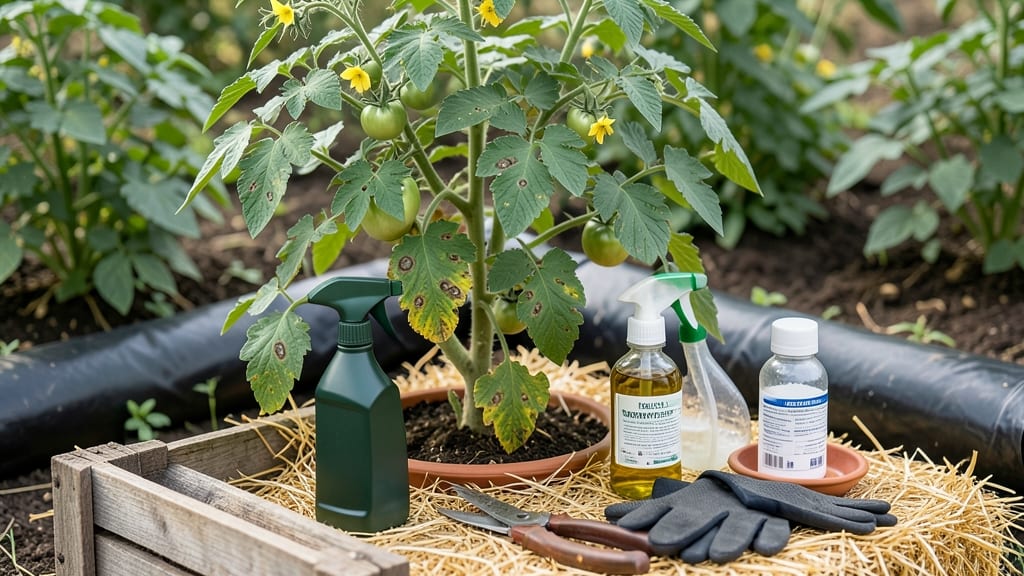
Your tomato plants are covered in those ugly brown spots with yellow rings—the septoria leaf spot cure starts with copper spray, and it’s the fastest fix when you catch it early.
The key is acting before the spots turn your leaves into Swiss cheese, because once they do, your harvest suffers.
Copper spray works because it disrupts the fungus’s ability to reproduce, but timing matters. Apply it at the first sign of spots—before they spread—and repeat every 7-10 days until new growth appears.
Prune infected leaves (don’t compost them!) and water at the base of plants to keep foliage dry. This combo stops the spread in its tracks, even on stubborn cases.
What you’ll end up with is plants that bounce back—lush, disease-free foliage that keeps producing until frost. The copper spray leaves no residue on edible parts (once it dries), and the fix is cheaper than replacing infected plants.
Just avoid spraying in direct sunlight or windy conditions to get the most out of each application.
Works for tomatoes, wheat, and ornamentals alike, but if the spots keep coming back despite your efforts, it might be time to rotate to a fungicide or consult a local extension office. Early action is everything—don’t wait until your plants look like they’ve been hit by a fungal storm.
Understanding Septoria’s Hidden Triggers
Septoria leaf spot isn’t just a random disease—it’s a strategic invader that exploits weak spots in your plants’ defenses. 🌱🔍 To stop it, you need to know why it strikes. This fungal menace thrives when conditions align perfectly for its survival and spread.
Below, we break down the key culprits behind its outbreaks, from environmental factors to plant vulnerabilities, so you can prevent (not just treat) future infections.
The fungus Septoria tritici (the culprit behind leaf spots) loves moisture and stagnant air. When plants are too close together, airflow is restricted, creating the perfect humidity trap on leaves. Here’s how it plays out:
- Stagnant air slows evaporation, leaving dew or water droplets clinging to leaves longer—ideal for fungal spores to germinate.
- High humidity (above 75%) for prolonged periods (like 12+ hours) triggers spore release and infection.
- Thick canopies (common in dense crops like wheat, barley, or leafy greens) block sunlight, keeping lower leaves damp and shaded.
💡 Pro Tip: Space plants 3–4 inches apart (or follow crop-specific guidelines) and prune for open airflow. If growing in containers, elevate them to improve drainage and reduce soil splash.
Water is the fungus’s #1 ally. Whether from rain, overhead sprinklers, or poor drainage, wet leaves for more than 6 hours create a breeding ground for Septoria. Here’s the science:
- Splash dispersal: Water droplets carry spores from infected debris (like fallen leaves) onto healthy foliage.
- Leaf surface hydration: Wet leaves soften the cuticle, making it easier for fungal hyphae to penetrate.
- Cool temperatures (50–75°F) + moisture = faster spore germination.
✨ Actionable Fix:
- Switch to drip irrigation or soaker hoses to keep leaves dry.
- Avoid watering in the evening—aim for early morning so foliage dries by noon.
- Use mulch to reduce soil splash (but keep it 2–3 inches away from stems to prevent rot).
Healthy plants resist Septoria, but stress opens the door. Common stressors include:
| Stressor | How It Helps Septoria |
|---|---|
| Nutrient deficiencies (especially nitrogen or potassium) | Thin, yellowing leaves lack the energy to fight infections. |
| Physical damage (hail, insects, or rough handling) | Open wounds let spores directly invade plant tissue. |
| Drought or overwatering | Both disrupt root health, weakening the plant’s systemic defenses. |
| Pests (e.g., aphids, spider mites) | They injure leaves and spread fungal spores on their bodies. |
🌡️ Prevention Tip: Conduct a soil test before planting and fertilize balanced (avoid excess nitrogen). For existing plants, use compost tea or seaweed extract to boost immunity.
Septoria spores can survive for years in dead plant material or on garden tools. Here’s how they reinfect:
- Old crop residue: Infected leaves or stems left in soil release spores when conditions are right.
- Reused tools: Pruners, shovels, or rakes contaminated with spores spread them to healthy plants.
- Wind or water spread: Spores hitchhike on airflow or rain to new hosts.
🔥 Cleanup Protocol:
- Remove all infected plant debris and compost it separately (or burn it if possible).
- Disinfect tools with 70% rubbing alcohol or a 10% bleach solution between uses.
- Rotate crops yearly to break the fungal life cycle.
By addressing these root causes, you’re not just treating septoria—you’re starving it of its survival tools. 🚫🍄 The key is consistency: dry leaves, strong plants, and a clean workspace. Next, we’ll dive into copper spray solutions to kick this fungus out for good.
How to Fix Stubborn Leaf Spots
Septoria leaf spot may feel like a losing battle, but with the right approach, you can turn the tide and restore your plants to their vibrant best. Below, we break down practical, actionable solutions tailored to the root causes of this fungal foe—from cultural fixes to targeted treatments.
Prevention tips are woven in to keep those pesky spots from returning.
If your plants are already showing signs of septoria leaf spot, copper-based sprays are your first line of defense. Copper disrupts the fungus’s cell function, halting its spread.
How to Apply Copper Spray: 🍳 Mix It Right: Use a copper fungicide (like copper sulfate or copper hydroxide) following label instructions. For a DIY version, mix 1 teaspoon of copper sulfate per gallon of water (wear gloves—copper can irritate skin). 👨🍳 Spray Thoroughly: Focus on both sides of leaves, stems, and even the soil around the base. Early morning or late evening applications reduce plant stress from sunlight. ⏰ Repeat Weekly: Apply every 7–10 days until new growth appears free of spots. Consistency is key—fungi don’t surrender easily! ⚠️ Safety First: Avoid spraying when rain is forecasted (it washes off), and don’t apply to edible crops within 21 days of harvest (check product guidelines).
Alternative Fungicides: If copper isn’t cutting it, try neem oil (natural, fungicidal properties) or sulfur-based fungicides (great for organic gardens). For severe cases, systemic fungicides (like chlorothalonil) can provide deeper protection.
Moisture-loving fungi thrive in damp conditions. Adjusting your watering routine can dramatically reduce septoria’s grip.
How to Water Smart: 💧 Water at the Base: Avoid overhead irrigation (like sprinklers). Use drip systems or soaker hoses to deliver water directly to the soil. 🌡️ Water Early: Irrigate before 10 AM so leaves dry quickly. Wet foliage for more than 6–8 hours invites fungal growth. 🌱 Improve Drainage: Ensure pots or garden beds have well-draining soil. Amend clay soil with compost or perlite to prevent waterlogging.
Pro Tip: 💡 Mulch wisely! Use straw or wood chips (not thick layers) to retain moisture in the soil without trapping humidity around leaves.
A healthy plant is less susceptible to septoria. Focus on nutrition, spacing, and airflow to create an unfavorable environment for the fungus.
How to Strengthen Your Plants: 🍽️ Feed Regularly: Use a balanced fertilizer (like 10-10-10) or compost tea to provide steady nutrients. Avoid over-fertilizing with nitrogen—it encourages lush, fungus-friendly growth. 🌬️ Prune for Airflow: Remove crowded or overlapping leaves to improve circulation. Thin out plant debris (like fallen leaves) where fungi hide. 🌱 Rotate Crops: If you grow susceptible plants (like tomatoes, wheat, or barley) year after year, rotate to a new location every 3–4 years to break the fungus’s life cycle.
Pro Tip: ✨ Interplant with resistant varieties! For example, grow tomato varieties like ‘Mountain Merit’ or ‘Defiant PhR’, which are bred to resist septoria.
An ounce of prevention is worth a pound of cure. Sanitize tools, remove infected plants, and plan ahead to keep septoria at bay.
How to Declutter & Protect: 🧼 Sterilize Tools: Clean pruners and shears with rubbing alcohol or bleach solution (1 part bleach to 9 parts water) between uses. 🗑️ Remove Infected Debris: Pull up and dispose of (don’t compost!) severely spotted leaves or plants. Fungi can overwinter in organic matter. 🏷️ Label & Track: Keep records of where septoria appeared. Avoid planting susceptible crops in the same spot next season.
Pro Tip: 🎯 Start with clean seeds! Purchase disease-resistant seed varieties and soak them in a 1% hydrogen peroxide solution for 10 minutes before planting to kill fungal spores.
If your plants are severely infected (more than 50% leaf damage) or the fungus keeps returning, it may be time to replace the plant and reassess your growing conditions. For large-scale gardens, consult a local agricultural extension service for tailored advice.
Remember: Patience and persistence pay off. With these steps, you’ll not only cure septoria leaf spot but also build a garden that resists future outbreaks. Happy growing! 🌱💪
Frequently asked questions
Can I use household vinegar as a septoria leaf spot treatment?
Vinegar isn't effective for treating septoria leaf spot. While it can kill some fungi, its acidity isn't strong enough to disrupt the Septoria fungus's cell function. For best results, stick with copper-based sprays or fungicides like neem oil. If you want a natural option, try a 1% hydrogen peroxide solution (mix 1 part 3% peroxide with 29 parts water) as a preventive spray.
How long does it take for copper spray to show results?
You may see improvement within 3-5 days of consistent application, but full recovery can take 2-4 weeks depending on the infection severity. Apply copper spray every 7-10 days until new growth appears free of spots. Stop treating once you notice healthy foliage developing—this signals the fungus is under control.
Will removing infected leaves completely stop septoria from spreading?
Pruning infected leaves helps slow the spread, but it won't eliminate the fungus entirely. Spores can linger in soil or on tools, so always pair removal with copper spray treatments and proper sanitation. For severe cases, consider replacing heavily infected plants to prevent further contamination of your garden.
Can septoria leaf spot return after treatment?
Yes, it can if conditions remain favorable (like high humidity or poor airflow). To prevent recurrence, focus on long-term prevention: improve plant spacing, use drip irrigation, rotate crops yearly, and maintain clean garden tools. Regularly inspect plants during wet seasons to catch early signs.
Are there any septoria-resistant plant varieties I can grow instead?
For tomatoes, try varieties like 'Defiant PhR' or 'Mountain Merit', which are bred for septoria resistance. For wheat, look for 'Roblin' or 'AC Domain' varieties. Always check seed packets for disease resistance ratings when selecting new plants to grow.