
Pests and Diseases
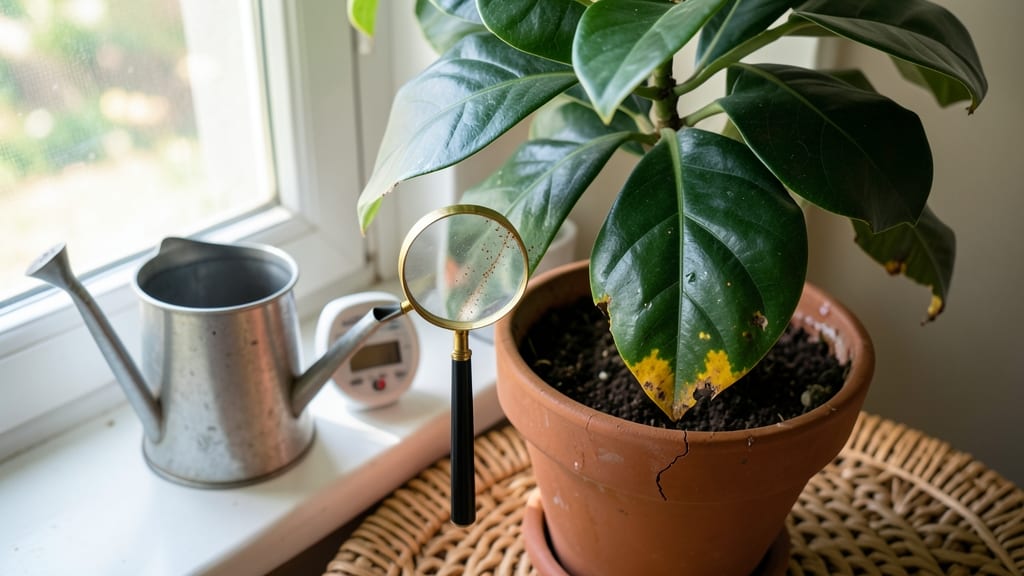
Your plants are experiencing sudden leaf drop overnight—and copper spray might be the fastest fix you haven’t tried yet. 🌿 I’ve seen fungal blight wipe out entire garden beds in days, but this one treatment stops the spread within 24 hours when applied correctly.
The key is catching it early, before the disease moves from leaves to stems.
Most sudden leaf drop comes from overwatering, temperature swings, or fungal infections like anthracnose or early blight. Copper spray works because it disrupts fungal cell walls without harming plants—unlike harsh chemicals that kill beneficial insects too. Think of it as a broad-spectrum shield for your garden’s most vulnerable moments.
By morning, you’ll see the spread slow, and within a week, new growth will push through. The spray even prevents future outbreaks if you apply it preventatively every 7-10 days during humid seasons. No more panicked late-night rescues—just healthy plants that bounce back faster.
Works for tomatoes, peppers, roses, and even houseplants struggling with humidity. Here’s how to mix and apply it without burning your plants—plus what to do if the problem persists.
Root Causes of Rapid Foliage Loss
Sudden leaf drop can turn your lush green plants into skeletal shadows overnight—leaving gardeners baffled and frustrated. 🌿💨 The culprits behind this dramatic decline are often hidden in plain sight, ranging from environmental stressors to microscopic invaders.
Understanding the why behind the what is the first step to saving your plants. Below, we break down the most common triggers, explained in clear, actionable science.
Plants thrive within a comfort zone—usually between 50°F and 85°F (10°C–30°C)—but sudden swings outside this range can trigger abscission (the natural shedding of leaves). Here’s why:
- Cold Shock (Frost or Freeze): When temperatures drop below 32°F (0°C), plant cells freeze and rupture, disrupting water transport.
The plant’s survival instinct kicks in, causing leaves to drop to conserve energy. Evergreens (like boxwoods or junipers) are especially vulnerable. - Heat Stress (Above 95°F/35°C): High temperatures denature enzymes in leaves, leading to wilting and necrosis (dead tissue).
Some plants, like tomatoes or peppers, may drop leaves to reduce water loss via transpiration. - Windburn: Strong, dry winds desiccate (dry out) leaf surfaces, mimicking drought stress. This is common in coastal gardens or open fields.
💡 Pro Tip: Monitor your local extended forecast and use row covers or mulch to buffer temperature extremes. For tropical plants, move them indoors during cold snaps.
Water is the lifeblood of plants, but too much or too little can send them into panic mode, leading to rapid leaf loss.
- Underwatering (Drought Stress):
- When soil moisture drops below 30%, roots struggle to absorb water, causing xylem cavitation (air bubbles blocking water flow).
- Leaves wilt and abscise to reduce water demands. Succulents and cacti are an exception—they shed leaves to conserve energy, not water.
- Symptom: Leaves turn yellow at the edges (chlorosis) before dropping.
- Overwatering (Root Rot): - Fungal pathogens like Phytophthora thrive in waterlogged soil, attacking roots and cutting off nutrient transport. - Symptom: Leaves turn yellow and mushy, then drop.
Check for a sour, rotten smell at the base. - Solution: Improve drainage with perlite or sand and space waterings 1–2 inches below the soil surface.
- Sudden Watering Changes:
- Plants like houseplants (e.g., fiddle-leaf figs) can drop leaves if you switch from dry to soggy soil overnight. Their roots can’t adjust quickly enough, leading to root suffocation.
Fungal diseases are the #1 cause of sudden leaf drop in gardens and landscapes. They clog stomata (pores), disrupt photosynthesis, and trigger defense mechanisms that include leaf shedding.
- Common Fungal Culprits:
- Anthracnose (Colletotrichum spp.): Targets shade plants (like maples or dogwoods), causing dark, sunken lesions before leaves drop.
- Powdery Mildew (Erysiphe spp.): Forms a white, powdery coating on leaves, blocking sunlight and leading to premature abscission.
- Root & Stem Rots (Phytophthora, Pythium): Attack woody plants (e.g., roses, azaleas), causing wilting and leaf drop as the plant starves.
- How It Happens:
- Fungi release toxins that disrupt hormone balance (like ethylene, which signals leaf drop).
- High humidity (above 75%) + poor airflow creates the perfect breeding ground.
✨ Quick Fix: Apply a copper-based fungicide (like copper sulfate or copper hydroxide) to stop spore germination in 24–48 hours. Prune infected leaves and improve airflow with proper spacing.
Pests don’t just eat leaves—they inject toxins, disrupt nutrient flow, and trigger stress responses, leading to rapid defoliation.
- Sap-Sucking Insects (Worst Offenders):
- Aphids, Spider Mites, Scale: Pierce leaves to feed on phloem sap, injecting salivary toxins that cause yellowing and curling before leaves drop.
- Japanese Beetles: Strip leaves in minutes, leaving skeletons behind—the plant sheds remaining foliage to conserve energy.
- Whiteflies: Excrete honeydew, a sugary residue that attracts sooty mold, further stressing the plant.
- Boring Pests (Silent Destroyers):
- Borers (e.g., emerald ash borer, bark beetles): Tunnel into stems, cutting off water and nutrient transport. Symptom: Wilting branches that drop leaves suddenly.
🔥 Action Step: Blast pests off with water (for aphids/mites) or use neem oil (for soft-bodied insects). For borers, prune and burn infested branches to prevent spread.
Plants shed leaves when they can’t support their own growth—whether from starvation or poisoning.
- Critical Deficiencies:
- Nitrogen (N): Leads to yellowing between veins (chlorosis) and leaf drop as the plant cannibalizes old leaves for nutrients.
- Potassium (K): Causes brown leaf edges (scorch) and weak stems, making leaves easily shed in wind.
- Magnesium (Mg): Results in interveinal yellowing (like nitrogen deficiency but starts at leaf tips).
- Toxicities (Just as Bad):
- Excess Salt (from tap water or fertilizers): Burns root tips, reducing water uptake. Symptom: Crispy, brown leaf edges.
- Aluminum or Manganese Buildup: In acidic soils, these metals block nutrient absorption, leading to yellowing and drop.
💪 Fix It: Conduct a soil test and amend with compost, lime (for acidity), or chelated nutrients. Flush soil with water if salts are suspected.
Sometimes, the cause is physical—not biological. Here’s what to watch for:
- Hail or Wind Damage: Tears leaves or snaps stems, forcing the plant to shed damaged foliage to redirect energy.
- Herbicide Drift: Glyphosate or 2,4-D can mimic drought stress, causing yellowing and drop within days.
- Lawnmower or Trimmer Injury: Severed roots or stems disrupt water flow, leading to sudden wilting and leaf loss.
🛠️ Solution: Protect plants with windbreaks or row covers. If herbicide drift is suspected, flush soil with water and avoid fertilizing until new growth appears.
Some plants drop leaves as a survival tactic, especially when transplant shock or dormancy cues kick in.
- Transplant Shock: Moving plants damages root systems, reducing water uptake. Symptom: Wilting and leaf drop within 1–2 weeks.
- Dormancy Triggers:
- Deciduous trees (like oaks or maples) shed leaves in response to shorter daylight (photoperiodism).
- Houseplants (e.g., poinsettias, jade plants) may drop leaves if light or water changes disrupt their cycle.
🌱 Recovery Tip: Water deeply after transplanting and keep conditions stable (light, temperature, humidity) for 2–4 weeks.
Fixing Fungal Blight Fast
Sudden leaf drop caused by fungal blight can feel like a gardener’s nightmare—one day your plants look healthy, the next they’re shedding leaves like it’s autumn. But don’t panic!
With the right approach, you can stop the spread, revive your plants, and prevent future outbreaks in just 24 hours (or less). Below are targeted solutions based on the most common causes, from quick fixes to long-term prevention.
If your plants are suffering from rust, powdery mildew, or leaf spot, copper-based fungicides are your best friend. These act as a protective shield, disrupting fungal spores before they take hold.
🔥 Step 1: Choose the Right Copper Spray
Not all copper sprays are equal. Look for copper fungicides labeled for fungal blight, such as:
- Copper sulfate (Bordeaux mixture)
- Copper hydroxide (e.g., TriBasic Copper)
- Ready-to-use sprays (like Garden Safe Fungicide)
⚠️ Warning: Avoid overusing copper—it can build up in soil and harm beneficial microbes. Stick to no more than 3 applications per season.
🍳 Step 2: Apply at the Right Time
- Best time: Early morning or late afternoon (avoid direct sunlight, which can burn leaves).
- Frequency: Spray every 7–10 days until the problem clears, then once more as a preventive measure 2 weeks later.
- Coverage: Get both sides of leaves and stems—fungi love hiding in crevices!
👨🍳 Step 3: Boost Plant Immunity
While copper works fast, strengthen your plants’ defenses with:
- Neem oil spray (natural antifungal + insect repellent).
- Baking soda solution (1 tsp baking soda + 1 quart water + a drop of dish soap) for mild fungal issues.
- Compost tea (rich in beneficial microbes that outcompete fungi).
If your plants are drooping, yellowing, or shedding leaves due to soggy roots, drainage and water habits need an overhaul.
🔪 Step 1: Check the Roots
- Gently dig around the base of the plant. If roots smell rotten or are mushy, you’ve got root rot.
- Trim away black/mushy roots with sterilized scissors.
⏰ Step 2: Improve Soil & Watering
- Amend the soil with perlite, sand, or coconut coir to improve drainage.
- Repot if necessary into a container with drainage holes.
- Water only when the top 1–2 inches of soil are dry—stick your finger in to test!
🌡️ Step 3: Prevent Future Issues
- Use a moisture meter to avoid guesswork.
- Mulch properly (2–3 inches of organic mulch) to regulate soil moisture.
- Avoid overhead watering—water at the base instead.
If sap-sucking insects (like spider mites or aphids) are causing stress-induced leaf drop, pests must go—now.
🎯 Step 1: Identify the Culprit
Common leaf-drop pests:
- Spider mites (tiny webs on undersides of leaves).
- Aphids (sticky residue, curled leaves).
- Scale insects (brown bumps on stems).
✨ Step 2: Knock Them Out
- Spray with insecticidal soap (mix 1 tbsp mild soap + 1 quart water).
- Neem oil (1 tsp per quart of water) disrupts their life cycle.
- Release beneficial insects (ladybugs, lacewings) for long-term control.
💡 Pro Tip:
If pests keep coming back, quarantine new plants for 2 weeks before introducing them to your garden.
Sudden temperature swings (like frost, heatwaves, or cold drafts) can shock plants into dropping leaves.
🔥 For Heat Stress:
- Move potted plants to a shadier spot.
- Mist leaves (early morning only) to cool them down.
- Use shade cloth (30–50%) for delicate plants.
❄️ For Cold Stress:
- Cover plants with frost cloth at night.
- Avoid watering before freezing temps—wet leaves = ice damage.
- Group plants together to create a microclimate.
Once your plants bounce back, lock in their health with these habits: ✅ Rotate crops to prevent soil-borne fungi from building up. ✅ Clean up fallen leaves (fungi love hiding there!). ✅ Space plants properly for better airflow (fungi thrive in humidity). ✅ Test your soil—pH imbalances (too acidic/alkaline) weaken plants.
While copper spray can work in 24 hours, some plants may take a few days to recover. Monitor daily, adjust care as needed, and soon your garden will be back to thriving—leaf drop-free! 🌿💚
Frequently asked questions
Why does my plant drop leaves suddenly even when it looks healthy?
Sudden leaf drop can happen due to hidden stress signals like root rot from overwatering or fungal infections spreading underground. Even if the foliage looks fine, check soil moisture and inspect stems for dark spots or soft areas—these often appear before visible leaf damage.
How can I tell if copper spray will work for my specific fungal issue?
Copper spray works best on powdery mildew, leaf spot, and early blight—look for white powdery coatings or dark sunken lesions on leaves. For root rot or stem cankers, copper alone won't help; you'll need to improve drainage and prune infected areas first.
Is it safe to use copper spray on edible plants like tomatoes or herbs?
Yes, but follow label instructions carefully. Copper is organic-approved for home gardens and safe for edibles when used correctly. Harvest crops 3 days after application to avoid residue, and avoid spraying when flowers are open to protect pollinators.
What should I do if my plant keeps dropping leaves after treating with copper?
If leaf drop persists, check for secondary issues like pests (aphids, spider mites) or nutrient deficiencies. Test your soil pH and consider a balanced fertilizer. Sometimes, the original problem was water stress masked by the fungal infection—adjust your watering routine to 1-2 inches per week.
Can I prevent sudden leaf drop in my houseplants?
Houseplants often drop leaves due to temperature swings or inconsistent watering. Keep them in stable conditions (60-75°F), use well-draining pots, and water only when the top 1 inch of soil is dry. Avoid drafts from AC/heaters.