
Pests and Diseases
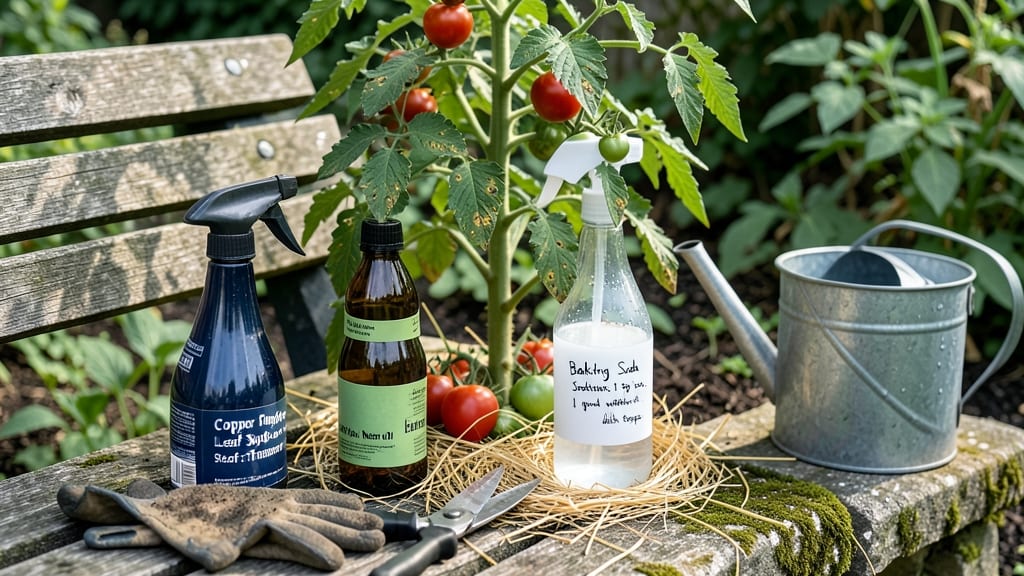
Treating this fungal leaf spot is turning your plants' leaves into a sad, spotted mess—and it spreads faster than you can say "compost pile." 🌿 I've battled this stubborn blight in my own garden, and I'm sharing the exact organic spray mix that stops it dead in its tracks without harsh chemicals.
The key is catching it early and treating the right way: copper-based sprays for severe cases, baking soda mixes for mild outbreaks, and proper spacing to prevent future flare-ups. Most gardeners make one critical mistake—watering from above—which turns leaves into fungal breeding grounds.
By the end of this, you'll have plants with clean, vibrant foliage again. The spray works within 3-5 days of application, and with consistent prevention, you'll keep your garden looking lush all season long. This method works for tomatoes, peppers, roses, and even houseplants. Let's get those leaves healthy again!
Root Causes Of Leaf Spot
Leaf spot diseases aren’t just random bad luck—they’re the result of a perfect storm of environmental and biological factors. Understanding why your plants develop these unsightly blemishes is the first step to stopping them in their tracks.
Below, we break down the key culprits behind leaf spot outbreaks, from microscopic invaders to everyday gardening habits.
Most leaf spot diseases are caused by fungal spores, which thrive in warm, humid conditions. These spores—often spread by wind, water, or even garden tools—land on leaves and germinate when conditions are right. Common fungal culprits include:
- Alternaria: Produces dark, concentric-ringed spots, often on tomatoes, peppers, and ornamentals.
- Cercospora: Causes small, angular brown spots with yellow halos, common in beans and grasses.
- Septoria: Leaves behind gray or brown spots with dark margins, frequently seen on lettuce and celery.
- Botrytis (Gray Mold): Thrives in crowded, damp environments, creating fuzzy gray spots on flowers and foliage.
💡 Pro Tip: Fungal spores can overwinter in dead leaves, soil, or plant debris—so cleaning up fallen foliage is a game-changer for prevention.
Watering from above isn’t just inefficient—it’s a leaf spot superhighway. When water droplets splash onto leaves, they:
- Spread fungal spores from the soil to foliage.
- Create prolonged moisture on leaves, giving fungi the perfect breeding ground.
- Wash away protective wax layers, making plants more susceptible to infection.
🌡️ Key Factor: Leaf spots rarely appear in dry conditions—humidity above 75% and warm nights (70–85°F) are ideal for fungal growth.
Plants need airflow—just like we need fresh air to stay healthy. When foliage is crowded or dense, several problems arise:
- Stagnant air traps moisture, creating a humid microclimate where fungi flourish.
- Shade and dampness slow leaf drying, extending the window for infection.
- Pruning wounds (from overcrowding or poor maintenance) provide entry points for pathogens.
💡 Fix It: Space plants properly, thin out overgrown branches, and avoid mulching too close to stems to improve airflow.
Plants under stress are like open doors for fungi. Common stressors that lower resistance include:
- Nutrient deficiencies (especially nitrogen or potassium).
- Physical damage from hail, insects, or mechanical injury.
- Environmental shocks like sudden temperature swings or drought.
- Root issues (compacted soil, poor drainage, or root rot).
🔥 Warning: A plant already battling aphids, spider mites, or powdery mildew is far more vulnerable to leaf spot infections.
Leaf spot outbreaks aren’t random—they’re often tied to seasonal weather shifts. Pay attention to:
- Prolonged rain or dew: Keeps leaves wet for 12+ hours, ideal for fungal germination.
- High humidity at night: Many fungi release spores after dark, infecting leaves overnight.
- Sudden heat waves: Can stress plants, making them more susceptible to secondary infections.
📊 Data Point: Studies show leaf spot severity triples in years with 10+ consecutive rainy days.
Quick Fixes for Leaf Spot
Leaf spot isn’t just an eyesore—it can weaken plants, reduce yields, and even kill them if left unchecked. The good news? With the right approach, you can stop the spread, heal damaged foliage, and prevent future outbreaks—all without harsh chemicals.
Below, we break down cause-specific solutions tailored to your garden’s needs, plus prevention tips to keep your plants thriving.
Fungal leaf spot (often caused by Cercospora, Alternaria, or Septoria) thrives in wet, humid conditions and spreads via spores. Here’s how to tackle it:
🔥 Step 1: Remove & Dispose of Infected Leaves
- Why? Fungal spores linger on dead leaves, ready to reinfect.
- How?
- Snip off spotted leaves (don’t compost them—toss in a sealed trash bag).
- For severe cases, prune entire branches if >50% of leaves are affected.
- Pro Tip: 💡 Sterilize pruners with 70% isopropyl alcohol or a 1:10 bleach-water mix between cuts.
🍳 Step 2: Apply a Fungicidal Spray (DIY or Store-Bought)
| Option | How to Use | Best For |
|---|---|---|
| Baking Soda Spray | Mix 1 tsp baking soda + 1 tbsp oil + 1 gallon water. Spray every 7–10 days. | Early-stage fungal spots, veggies, herbs |
| Neem Oil Solution | Combine 1 tbsp neem oil + 1 tsp mild soap + 1 quart water. Shake & spray at dusk. | Preventative care, all plants |
| Copper Fungicide | Use organic copper spray (like Copper Soap) as directed. | Severe outbreaks, fruit trees |
| Milk Spray | 1 part milk to 9 parts water. Spray weekly (works best in humid climates). | Tomatoes, peppers, cucumbers |
- When to Spray? 🌡️ Early morning or evening (avoid midday sun to prevent leaf burn).
- How Often? Until new growth is spot-free (usually 2–4 weeks).
🌡️ Step 3: Adjust Growing Conditions Fungi love moisture and poor airflow.
Fix these issues to starve the fungus: - Improve airflow: Space plants 3–6 inches apart (avoid overcrowding). - Water wisely: Water at the base (not overhead) and early in the day so leaves dry by night. - Mulch properly: Use straw or wood chips (not thick layers) to reduce soil splashing onto leaves.
Bacterial leaf spot (from Xanthomonas or Pseudomonas) spreads rapidly and often oozes yellow/brown pus. Unlike fungi, bacteria can’t be cured—only contained.
🔪 Step 1: Prune & Burn Infected Plant Parts
- Why? Bacteria spread through water and tools.
- How?
- Cut off infected leaves/stems below the spot (bacteria live in plant tissue).
- Burn or trash (do not compost)—bacteria survive in soil.
- Sterilize tools after each cut (bleach or alcohol).
👨🍳 Step 2: Use Copper-Based Bactericides
- Best options:
- Copper hydroxide (e.g., Kocide 3000) – Spray every 7–14 days.
- Copper octanoate (e.g., Badge X2) – Works faster but more expensive.
- DIY Alternative: Hydrogen peroxide spray (3% solution, spray every 3 days until symptoms stop).
⏰ Step 3: Rotate Crops & Avoid Overwatering
- Crop rotation: Plant unrelated families (e.g., after tomatoes, grow beans or grasses).
- Water schedule: Let top 1–2 inches of soil dry between waterings.
- Sanitize everything: Clean pots, tools, and gloves with bleach water (1:10 ratio).
Once you’ve treated an outbreak, break the cycle with these habits:
- 💡 Choose resistant varieties: Pick disease-resistant seeds (e.g., ‘Defiant’ phlox, ‘Celebrity’ tomato).
- ✨ Space plants properly: Follow label spacing to maximize airflow.
- 🎯 Test soil pH: Most fungi thrive in acidic soil (pH <6.0)—aim for 6.0–7.0 (use lime to raise pH if needed).
- 🌱 Strengthen plants: Balanced fertilizer (10-10-10) and compost boost natural defenses.
Final Note: Consistency is key! Leaf spot often returns if you stop treatments too soon. Monitor plants weekly and act at the first sign of spots. With these fixes, your garden can bounce back healthier than ever—no chemicals required!
Frequently asked questions about treating leaf spot
What’s the difference between fungal and bacterial leaf spot?
Fungal leaf spot shows up as dry, brown spots with defined edges and often has concentric rings. Bacterial leaf spot, however, produces water-soaked, greasy-looking spots that ooze pus and spread faster. Fungi respond to copper sprays, while bacteria require copper bactericides or hydrogen peroxide.
Can I still use infected plants for compost?
Never compost leaves with leaf spot! Fungal spores and bacteria survive in compost piles, reinfecting your garden. Instead, seal infected plant debris in a trash bag and toss it in the outdoor bin. For severe cases, burning is the safest disposal method.
How long does it take for homemade sprays to work?
Most DIY sprays (like baking soda or neem oil) show results in 3-7 days with consistent application. For severe outbreaks, copper fungicides work faster (24-48 hours for visible improvement). Always apply every 7-10 days until new growth appears spot-free.
Will pruning help stop leaf spot from spreading?
Removing infected leaves stops the fungal/bacterial spread and improves airflow. Just remember to sterilize pruners between cuts (use 70% alcohol or bleach water) and avoid composting the clippings. Prune in dry weather to prevent wound infections.
Why does leaf spot keep coming back even after treatment?
Common reasons include overwatering, poor airflow, or untreated soil. Check your watering habits (base-only, not overhead), thin crowded plants, and test soil pH (6.0-7.0 is ideal). Fungal spores often overwinter in soil—rotate crops yearly and clean garden tools thoroughly.