
Diseases
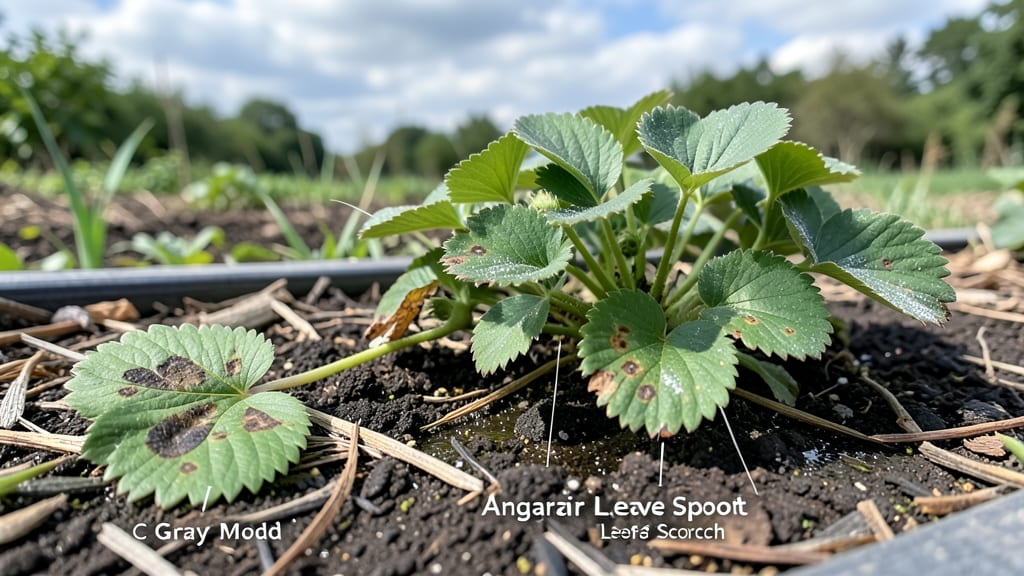
Strawberry leaf diseases pictures reveal the silent killers of your harvest before you even notice. 🌱 I've seen healthy plants turn into leafy messes overnight—spotting the right disease early saves your berries and your sanity.
This guide shows you exactly what to look for, from fuzzy white powder to dark, oily spots.
Most fungal spots start with excess moisture—rain, overhead watering, or crowded plants. Leaf spot shows up as tiny brown dots with yellow halos, while powdery mildew coats leaves in white, flour-like dust.
Gray mold creates fuzzy gray patches that spread like wildfire. The key? Catching these early before they ruin your plants.
You'll learn simple fixes like removing infected leaves, improving airflow, and using fungicides only when needed. Prevention is easier than cleanup—think spacing plants properly and watering at the base. With these visual clues, you'll diagnose problems faster than ever.
Perfect for home gardeners who want to keep their strawberries thriving without guessing. Here's how to spot, stop, and prevent the most common fungal troublemakers before they take over your patch.
Root Causes Of Leaf Troubles
Strawberry leaf diseases don’t just appear out of nowhere—they’re the result of a perfect storm of environmental, biological, and even human factors. Understanding these root causes is the first step to prevention and recovery.
Let’s break down the science behind why your strawberry leaves develop those unsightly spots, discolorations, and deformities.
Fungi are the primary culprits behind most strawberry leaf diseases. These microscopic organisms thrive in warm, moist conditions and can spread rapidly through spores. Here’s how they take hold:
- Overhead Watering: 💦 When water droplets linger on leaves, fungal spores (like those from Colletotrichum or Botrytis) land and germinate, creating ideal conditions for infection. - Poor Air Circulation: Dense plantings or thick foliage trap moisture, allowing fungi like Ramularia (which causes ramularia leaf spot) to multiply unchecked. - Contaminated Tools or Soil: Fungal spores can hitch a ride on pruners, gloves, or even compost.
If infected plant debris isn’t removed, spores persist and reinfect new growth.
Pro Tip: 💡 Space plants 12–18 inches apart to improve airflow, and always sterilize tools with a 1:10 bleach-water solution between uses.
Strawberries are sensitive to humidity and rainfall. Excess moisture—whether from rain, irrigation, or dew—creates the ideal environment for fungal and bacterial diseases to flourish.
- Prolonged Leaf Wetness: Diseases like **gray mold (Botrytis cinerea) or angular leaf spot (Xanthomonas fragariae) thrive when leaves stay wet for more than 6–12 hours.
- Cool, Damp Mornings: Early-season diseases (e.g., powdery mildew) often appear when temperatures dip below 75°F (24°C) and humidity spikes.
- Frequent Rainfall: Heavy downpours wash away protective waxes on leaves, making them vulnerable to infections like leaf scorch (Diplocarpon).
Actionable Fix: 🌡️ Water in the early morning so leaves dry by evening, and use drip irrigation instead of overhead sprinklers to minimize leaf wetness.
Stressed or weakened strawberry plants are more susceptible to diseases because their natural defenses are compromised. Common stressors include:
- Nutrient Deficiencies: 📊 Lack of nitrogen, phosphorus, or potassium weakens leaves, making them easier targets for pathogens.
- Overcrowding: 🌿 When plants compete for sunlight and nutrients, they grow slowly and develop thin, susceptible foliage.
- Physical Damage: 🔪 Wounds from hail, insects, or improper pruning create entry points for fungal and bacterial invaders.
Prevention Tip: ✨ Conduct a soil test every 2–3 years and amend with compost or balanced fertilizer (10-10-10) to keep plants robust.
Not all diseases come from the environment—some are introduced through infected plant material. Here’s how it happens:
- Infected Nursery Stock**: 🌱 Strawberry plants bought from unreliable sources may already harbor dormant fungal spores (e.g., Phytophthora root rot).
- Recycled Soil or Mulch: Compost or mulch from previous infected crops can harbor spores that survive winter and reinfect new plants.
- Seedborne Pathogens: Some bacterial diseases (like crown gall) can be transmitted through infected seeds or cuttings.
Solution: 🔍 Purchase certified disease-free plants from reputable growers, and avoid reusing soil from previous strawberry beds without sterilization.
Some pests don’t cause diseases directly but create conditions that make plants more vulnerable. For example:
- Aphids & Spider Mites: 🐜 These sap-sucking insects weaken plants by feeding on leaves, making them prone to secondary fungal infections like powdery mildew.
- Slugs & Snails: 🐌 Their feeding creates wounds that allow bacteria (e.g., Pseudomonas) to enter.
- Thrips: 🦗 These tiny insects spread viral diseases (like strawberry mottle virus) through feeding, which can manifest as leaf discoloration and stunting.
Control Tip: 🎯 Use row covers to block pests early in the season, and introduce beneficial insects like ladybugs to keep populations in check.
Fixing Fungal Foes on Strawberries
Strawberry leaf diseases can feel like a losing battle, but with the right steps, you can turn things around—fast! Below are practical, actionable solutions tailored to each common fungal foe, plus prevention tips to keep your plants thriving.
For: Powdery Mildew, Leaf Spot, Angular Leaf Spot How to Fix It:
- 🔪 Snip and Toss: Use sterilized pruners (wipe with rubbing alcohol) to cut off all infected leaves—don’t leave them in the soil or compost! 🚫
- 🧹 Clean Up: Remove fallen leaves and debris from around plants. Fungal spores love hiding in old plant matter.
- 🌱 Replace with Healthy Growth: Prune to improve airflow—this helps leaves dry faster and reduces humidity (a fungal magnet).
Pro Tip: 💡 If the disease is severe, consider replacing the entire plant. Fungi can persist in the soil!
For: Powdery Mildew, Gray Mold (Botrytis), Leaf Spot How to Fix It:
- 💧 Water at the Base: Avoid wetting leaves—use drip irrigation or a watering can with a narrow spout to direct water to the soil.
- ⏰ Water Early: Water before 10 AM so leaves dry by evening. Wet leaves overnight = fungal party time. 🎉
- 🌡️ Reduce Humidity: Space plants 12–18 inches apart for airflow. If growing in containers, ensure pots have drainage holes.
Pro Tip: 🌡️ Use a fan on low speed near plants to improve airflow—this dries leaves faster and deters fungi!
For: All Fungal Diseases (Preventative & Curative) How to Fix It:
| Method | How to Use | Best For |
|---|---|---|
| Neem Oil | Mix 1 tsp neem oil + 1 tsp mild soap + 1 quart water. Spray every 7–10 days. | Early-stage powdery mildew, leaf spot |
| Baking Soda Spray | 1 tbsp baking soda + 1 quart water + 1 tsp soap. Spray every 10 days. | Powdery mildew, preventative care |
| Copper Fungicide | Follow label instructions (usually 1–2 sprays per week until cured). | Severe leaf spot, gray mold |
| Hydrogen Peroxide | 1 tbsp 3% H₂O₂ per quart water. Spray directly on leaves (test on a small area first). | Gray mold, angular leaf spot |
Pro Tip: ✨ Rotate fungicides to prevent resistance—don’t use the same one repeatedly!
For: All Diseases (Prevention & Recovery) How to Fix It:
- 🍄 Feed with Compost: Add well-aged compost around the base for stronger roots and natural resistance.
- 🌿 Use Mulch: Apply 2–3 inches of straw or wood chips to keep soil moist (but not soggy) and suppress weeds (which harbor spores).
- 🌱 Choose Resistant Varieties: Next planting season, opt for disease-resistant strawberry varieties like ‘Albion’ or ‘Seascape’.
Pro Tip: 💪 A balanced fertilizer (10-10-10) in early spring gives plants the nutrients they need to fight off infections!
For: Long-Term Protection How to Fix It:
- 🌱 Crop Rotation: Don’t plant strawberries in the same spot for 3+ years—fungi linger in the soil!
- 🧼 Sterilize Tools: Clean pruners, pots, and gloves with bleach solution (1 part bleach : 9 parts water) between uses.
- 🌿 Plant in Full Sun: Strawberries need 6–8 hours of sun daily—less sun = more humidity = more fungi.
- 🍓 Harvest Regularly: Pick ripe berries as soon as they’re ready to reduce stress on the plant (stress = weaker defenses).
Pro Tip: 🎯 Start with healthy nursery plants—avoid diseased-looking stock at garden centers!
By acting fast and combining removal, fungicides, and prevention, you can save your strawberry patch and enjoy sweet, disease-free berries all season! 🍓✨
Frequently asked questions about strawberry leaf diseases
What's the fastest way to tell if my strawberry leaves have powdery mildew?
Look for a white, flour-like coating on the upper and lower leaf surfaces. Unlike dust, it won't wipe off easily and often appears first on older leaves. Check the undersides of leaves first—they're where mildew usually starts. Use a magnifying glass to spot tiny black dots (fungal spores) in the white powder.
Can I save strawberry plants with severe leaf spot damage?
It depends! If more than 50% of the foliage is affected, the plant may not recover enough to produce fruit. Prune out all infected leaves immediately, improve airflow, and apply copper fungicide. For mild cases, healthy new growth can replace damaged leaves—but remove the entire plant if it's heavily infected to prevent soil contamination.
Why do some strawberry leaves get yellow spots while others stay green?
This classic pattern usually means angular leaf spot (caused by bacteria) or nutrient deficiency. The yellow halos around brown spots are telltale signs of angular leaf spot, while uniform yellowing without spots suggests nitrogen deficiency. Test your soil and remove infected leaves immediately—this disease spreads through water splashes during rain.
Is it safe to compost strawberry leaves with fungal diseases?
No, never compost infected leaves! Fungal spores survive composting and can reinfect new plants. Instead, double-bag infected leaves in plastic and throw them in the trash. For severe cases, consider sterilizing your compost pile by turning it frequently and keeping it hot (140°F+) for several days.
How often should I spray neem oil to prevent strawberry diseases?
Apply neem oil every 7-10 days during active growing season (spring through summer) as a preventative measure. For existing fungal infections, increase to every 5-7 days for 2-3 weeks. Always spray in the early morning when leaves are dry, and avoid spraying when rain is forecasted within 24 hours.