
Pests and Diseases
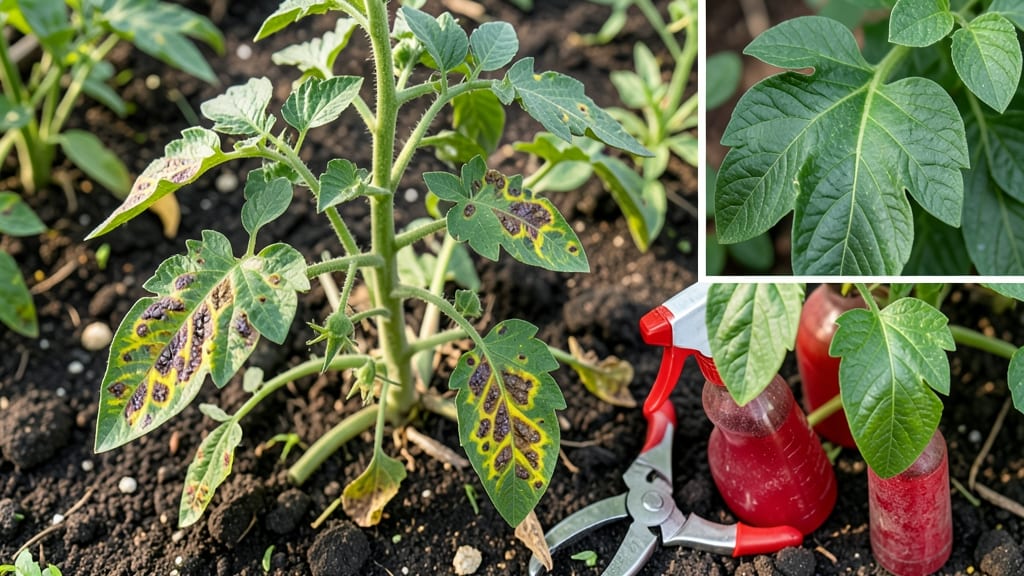
Angular leaf spot turns your thriving cucumbers into a spotted mess overnight. 🌿 I’ve watched this fungal disease ruin entire harvests—until I discovered copper spray’s secret power to revive plants and stop the spread before it’s too late.
The telltale signs are unmistakable: angular brown spots with yellow halos, often surrounded by a faint white or grayish border. It thrives in warm, humid conditions, and once it takes hold, it spreads faster than weeds in a spring rain.
But here’s the good news: copper spray isn’t just a cure—it’s a shield for your plants.
With just three applications spaced two weeks apart, you’ll see new growth pushing through clean, spot-free leaves. The key is acting fast—once the spots appear, your plants are already fighting a losing battle without intervention. This isn’t just about saving leaves; it’s about saving your entire harvest.
Works for cucumbers, melons, beans, and even tomatoes—any plant that loves warm weather and suffers from this stubborn fungal invader. Let’s get those spots under control before they take over your garden.
The Hidden Triggers Behind Fungal Leaf Damage
When your plants start showing those telltale angular brown spots with yellow edges, you’re likely dealing with a fungal infection—specifically, one caused by pathogens like Pseudomonas syringae or Xanthomonas species. But why do these fungi suddenly decide to throw a party on your leaves?
The answer lies in a mix of environmental stress, poor plant health, and even tiny weather changes. Let’s break down the real culprits behind this common (but frustrating) issue.
Fungal spores love moisture—think of them as tiny aquatic adventurers waiting for a rainstorm to spread. When leaves stay damp for long periods (especially overnight), spores germinate and infect plant tissues. Here’s how it plays out:
- Prolonged leaf wetness: Even light rain or morning dew can create the perfect breeding ground if leaves don’t dry within 6–12 hours.
- Poor air circulation: Dense foliage or crowded plants trap humidity, giving fungi a cozy, high-moisture environment to thrive.
- Overhead irrigation: Watering from above (instead of at the soil base) mimics rain, keeping leaves wet longer than necessary.
Actionable fix: Space plants for airflow, water early in the day, and avoid mulching too close to stems to reduce moisture buildup.
Fungi are opportunistic—when plants are already stressed, they strike. Angular leaf spot thrives in cool (60–75°F) but humid conditions, which is why it’s a spring/fall favorite. Here’s the science:
- Rapid temperature swings: Sudden drops (like evening chill after a warm day) weaken plant defenses, making leaves more susceptible.
- Slow-growing seasons: Plants grow slower in cooler weather, leaving them vulnerable to infections they’d normally outrun.
- Heat stress (indirectly): While fungi don’t love extreme heat, drought-stressed plants are easier targets for secondary infections.
Actionable fix: Monitor weather forecasts and protect plants with shade cloth during temperature shifts. Mulch to regulate soil temps.
Healthy plants resist fungal invasions—but when they’re run down, fungi move in like squatters. Common weakeners include:
| Cause | How It Helps Fungi |
|---|---|
| Nutrient deficiencies (especially nitrogen) | Stunted growth = thinner cell walls = easier entry for pathogens. |
| Physical damage (hail, pests, pruning cuts) | Open wounds act as fungal doorways. |
| Over-fertilization (especially high salt content) | Burns roots, reducing the plant’s ability to fight infections. |
| Compaction or poor drainage | Root stress = systemic weakness = more infection sites. |
Actionable fix: Test soil pH/nutrients, prune properly (use sterilized tools!), and avoid overwatering to keep roots happy.
Fungi don’t just appear—they hitchhike. Here’s how they spread:
- Pruners/shears: Bacteria can cling to blades and infect new cuts.
- Infected plant debris: Leaving fallen leaves or clippings near healthy plants gives spores a launchpad.
- Wind or splashing water**: Spores travel easily, especially in wet conditions.
Actionable fix: Sterilize tools with rubbing alcohol between uses, remove debris promptly, and isolate infected plants.
💡 Pro Tip: If you’ve had angular leaf spot before, prevent recurrence by rotating crops (don’t plant susceptible species in the same spot yearly) and choosing resistant varieties when possible.
How to Treat and Prevent Fungal Spots
Fungal infections like angular leaf spot can be frustrating, but with the right approach, you can restore your plants’ health and keep them thriving. Below are practical, step-by-step solutions tailored to the root causes—whether it’s poor air circulation, overwatering, or fungal buildup.
---
If your plants are drowning in soggy soil, fungal spores thrive like all-you-can-eat buffets. Here’s how to dry things out:
- 🌱 Reduce Watering Frequency Let the top 1–2 inches of soil dry out between waterings. Stick your finger in the soil—if it’s damp, wait a day or two.
- 🚰 Improve Drainage Amend heavy or compacted soil with perlite, sand, or compost to help water drain faster. If potted, ensure containers have drainage holes.
- 🌧️ Water in the Morning Avoid evening watering—wet leaves at night create a humid, fungus-friendly environment. Water at the base instead of overhead.
- 💡 Pro Tip: Mulch around plants with straw or wood chips to retain moisture without suffocating roots. Keep mulch 2–3 inches away from stems to prevent rot.
---
Fungal spores love stagnant air. Break up their party with these airflow hacks:
- 🌿 Prune for Spacing Thin out crowded foliage to let air circulate. Aim for 3–4 inches of space between leaves.
- 🔥 Use Fans (Seriously!) A small oscillating fan on low speed near plants mimics wind, drying leaves faster and discouraging spores. Run it for 10–15 minutes daily.
- 🏡 Rearrange Pots/Plants If growing indoors, rotate pots weekly so all sides get equal airflow. Outdoors? Space plants according to their mature size.
---
When prevention isn’t enough, copper-based fungicides are your best bet for angular leaf spot. Here’s how to use them effectively:
- 🛡️ Choose the Right Spray Copper fungicides (like copper sulfate or copper hydroxide) disrupt fungal cell walls. Follow label rates—typically 1–2 tbsp per gallon of water.
- 🍂 Clean Up Before Spraying Remove infected leaves (bag and discard them!) to prevent reinfection. Trim back severely damaged branches.
- 🌿 Spray Thoroughly (And Repeat!) Cover both sides of leaves and stems. Apply every 7–14 days or after rain. For bad outbreaks, spray weekly for 4–6 weeks.
- ⚠️ Safety First! Wear gloves and a mask—copper can irritate skin and lungs. Avoid spraying on edible crops within 24 hours of harvest.
- 💡 Pro Tip: Mix 1 tsp baking soda + 1 tbsp horticultural oil + 1 drop dish soap per quart of water as a low-toxicity alternative for mild cases.
---
Once your plants recover, keep them fungus-free with these habits:
- 🌡️ Monitor Humidity Use a hygrometer to keep humidity below 60%. Dehumidifiers or ventilation fans help in greenhouses.
- 🍄 Rotate Fungicides Don’t rely on copper forever—switch to neem oil, potassium bicarbonate, or biological controls (like Trichoderma fungus) every few months to prevent resistance.
- 🧼 Sterilize Tools Clean pruners, shears, and pots with 70% rubbing alcohol or a 10% bleach solution between uses.
- 🌱 Choose Resistant Varieties If angular leaf spot is recurrent, swap susceptible plants (like beans, cucumbers, or tomatoes) for resistant cultivars (e.g., ‘Early Girl’ tomatoes or ‘Blue Lake’ beans).
- ✨ Bonus Tip: Companion planting with garlic, chives, or marigolds can deter fungal spores naturally.
--- By tackling water, airflow, and fungicides systematically, you’ll not only save your plants now but also build a fungus-free garden for the future. 🌱💪
Frequently asked questions about angular leaf spot
What do angular leaf spot symptoms look like on my plants?
Look for distinctive angular brown spots with yellow halos along leaf veins. The spots often have a white or grayish border and may merge as the disease progresses. Unlike other leaf spots, these maintain their angular shape—hence the name!
Can I still harvest fruits/vegetables from infected plants?
Yes, but only if the spots haven't touched the edible parts. Remove heavily infected leaves immediately to prevent spread. Avoid harvesting from plants with severe defoliation—their energy goes to fighting the disease instead of producing food.
How often should I apply copper spray for best results?
Start with three applications spaced 2 weeks apart for active outbreaks. For prevention, spray every 7–14 days during humid weather. Always apply in the early morning so leaves dry quickly.
Will my plants recover completely if I treat angular leaf spot?
Yes, but early action is key! With proper treatment (copper spray + airflow improvements), new growth will emerge clean. Severely damaged leaves won't recover, but your plant will develop resistant foliage over time. Think of it as a fresh start!
Are there organic alternatives to copper spray?
Try a baking soda mix (1 tsp baking soda + 1 tbsp horticultural oil + 1 drop dish soap per quart of water) or neem oil spray. For advanced cases, potassium bicarbonate (2 tbsp per gallon) works well. Rotate these to prevent resistance.