
Trees
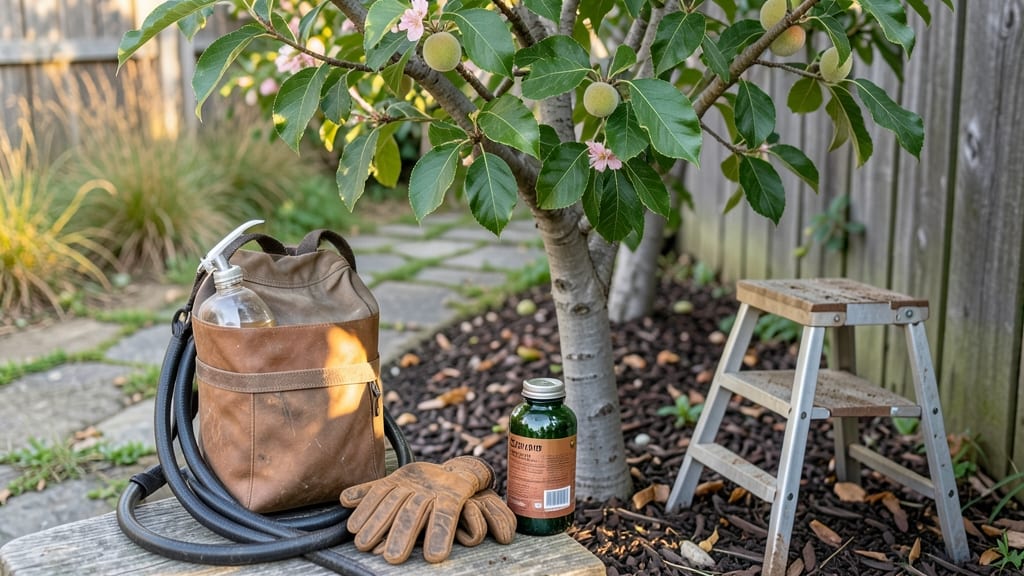
Your peach tree’s curled, twisted leaves mean one thing: leaf curl disease is attacking, but copper spray can save it. 🌿 I’ve revived multiple infected trees using this simple, effective recipe—the key is timing, concentration, and consistency. The first spray stops new infections, while follow-ups protect next season’s buds.
Leaf curl thrives in wet springs, when fungal spores splash from infected leaves onto fresh growth. Copper disrupts the fungus’s cell walls, halting its spread. You’ll need copper fungicide (like CuPro or Bonide Copper Fungicide), horticultural oil (for sticky adhesion), and a sprayer—no fancy equipment required.
Safety tip: wear gloves and avoid spraying when bees are active.
By mid-summer, you’ll see new growth free of curls, and next spring’s blossoms will stay healthy. The spray works best when applied before buds swell in early spring and again after harvest. Patience is key—it takes 2-3 seasons of prevention to fully break the disease cycle.
For organic gardeners, neem oil or baking soda spray (1 tsp baking soda + 1 quart water + a drop of oil) offer mild protection, though copper remains the gold standard. Always test a small branch first to check for sensitivity.
Root Causes of Peach Tree Leaf Curl
Peach tree leaf curl is a frustrating but manageable fungal disease that can turn your lush green foliage into crinkled, discolored messes if left unchecked. Understanding the why behind this problem is the first step to reclaiming your tree’s health.
Below, we break down the key factors that trigger leaf curl, so you can spot them early and act decisively.
---
The primary culprit behind peach tree leaf curl is the fungus Taphrina deformans. This microscopic pathogen thrives in damp, cool conditions and spreads through airborne spores that land on young, tender leaves and buds. Here’s how it works:
- Overwintering Spores: The fungus survives winter in infected buds, twigs, or fallen leaves. When spring arrives, warm, wet weather triggers spores to germinate and infect new growth. - Wind and Rain Spread: Spores hitch rides on wind currents or rain splashes, making them highly contagious.
Trees in dense orchards or windy areas are especially vulnerable. - Weakened Trees: Stressed trees (due to drought, poor soil, or nutrient deficiencies) are more susceptible to fungal attacks because their natural defenses are compromised.
Actionable Insight: Remove and destroy infected leaves and twigs in fall to reduce spore sources for next season. Prune for airflow to limit spore spread.
---
Leaf curl loves specific weather conditions, which explain why outbreaks spike in certain years. Pay attention to these red flags:
- Cool, Wet Springs: Ideal for spore germination. Temperatures between 50–70°F (10–21°C) with frequent rain create the perfect breeding ground. - High Humidity: Moisture lingers on leaves longer, giving spores more time to infect tissues.
Mornings with dew or afternoon showers worsen the risk. - Sudden Temperature Shifts: Rapid changes (like a cold snap followed by warmth) can stress trees, making them more prone to infection.
Pro Tip: Monitor local weather forecasts in early spring. If forecasts predict 5+ days of rain or high humidity, it’s time to act fast with preventive sprays.
---
A peach tree fighting other battles—like pests, drought, or nutrient deficiencies—is an open invitation for leaf curl. Here’s how poor health plays a role:
- Nutrient Deficiencies: Lack of zinc, nitrogen, or potassium weakens leaves, making them easier targets.
Yellowing leaves or stunted growth are warning signs. - Water Stress: Both overwatering (leading to root rot) and drought stress reduce a tree’s ability to fend off pathogens. - Pest Damage: Insects like peach tree borers or aphids create wounds that give fungi entry points.
Even spider mites can stress trees enough to lower resistance.
Fix It: Test your soil for deficiencies and amend with balanced fertilizer (high in nitrogen for new growth). Mulch to retain moisture without waterlogging roots.
--- Not all peach trees are equally vulnerable. Some factors increase susceptibility:
- Young Trees: Newly planted trees have underdeveloped immune systems and are prime targets for fungal infections. - Susceptible Varieties: Some peach cultivars (like ‘Elberta’ or ‘Redhaven’) are more prone to leaf curl than others.
Check your tree’s variety for known risks. - Overcrowded Orchards: Trees growing too close together create shady, humid microclimates that trap moisture and spores.
Smart Move: If you’re planting new trees, choose resistant varieties (e.g., ‘Reliance’ or ‘Contender’) and space them 12–15 feet apart for airflow.
--- Sometimes, well-meaning gardeners unintentionally create conditions that worsen leaf curl:
- Late Pruning: Trimming trees after bud swell (when buds are vulnerable) can spread spores from infected branches to healthy ones. - Improper Watering: Splashing water from the ground onto leaves (via overhead irrigation) can distribute spores like a fungal snowball. - Ignoring Sanitation: Leaving mummified fruit or fallen leaves on the ground provides a buffet for overwintering spores.
Avoid These Pitfalls: Prune in late winter (before buds swell), water at the base of the tree, and clean up debris twice a year (fall and spring).
Quick Fixes for Peach Tree Leaf Curl
Peach tree leaf curl can feel like a stubborn foe, but with the right approach, you can restore your tree’s health and prevent future outbreaks. Below, we’ve mapped out practical, step-by-step solutions tailored to the root causes—whether it’s fungal pressure, poor timing, or neglect.
Follow these fixes to revive your tree and keep it thriving for years.
---
If leaf curl is caused by Taphrina deformans (the fungus behind most cases), copper-based sprays are your best defense. Here’s how to tackle it:
#### 🔥 Step 1: Choose the Right Spray Use a copper fungicide (like copper sulfate or copper hydroxide) or a baking soda spray (for organic growers). Avoid overusing copper—stick to label instructions to prevent leaf burn.
#### 🍳 Step 2: Timing Is Everything Spray before buds swell (late winter/early spring) and again after harvest (fall). This two-step approach breaks the fungus’s life cycle.
#### 👨🍳 Step 3: Apply Correctly - Mix ratio: 1 tbsp copper sulfate per gallon of water (or follow product guidelines). - Coverage: Spray until leaves glisten, including the undersides and trunk crevices. - Wind warning: Avoid spraying on windy days—drift can harm nearby plants.
#### ⏰ Pro Tip: If your tree is already infected, prune and destroy heavily curled leaves (don’t compost them!) to stop spores from spreading.
---
A stressed tree is an open invitation for leaf curl. Strengthen your peach tree’s resilience with these fixes:
#### 💡 Improve Soil Health - Test your soil (pH should be 6.0–7.0 for peaches). - Amend with compost or a balanced fertilizer (high in nitrogen in early spring). - Mulch properly: Use 2–3 inches of organic mulch (wood chips, straw) but keep it 6 inches away from the trunk to prevent rot.
#### 🌡️ Water Wisely - Deep watering (1–2 inches per week) encourages strong roots. - Avoid overhead watering—wet leaves at night can worsen fungal growth.
#### 🎯 Prune for Airflow - Remove dead, crossing, or crowded branches to improve air circulation. - Sanitize pruners with rubbing alcohol between cuts to prevent disease spread.
---
Often, leaf curl flares up because of poor maintenance habits. Break these cycles with these easy adjustments:
#### 🔥 Early Detection Saves the Day - Inspect trees in late winter (before buds break) for silver-gray curled leaves—this is your first warning. - Remove and dispose of infected leaves immediately (don’t leave them under the tree).
#### 🌿 Rotate Your Spray Strategy - Alternate between copper sprays and neem oil (a natural fungicide) to prevent resistance. - Reapply after rain—water washes off sprays, so check coverage every 7–10 days during wet seasons.
#### 🚫 Avoid Common Mistakes - Don’t skip fall sprays—fungus spores overwinter on leaves! - Don’t plant peach trees too close—crowding traps moisture and spreads disease. - Don’t ignore resistant varieties—if leaf curl is recurrent, consider disease-resistant peach cultivars like ‘Redhaven’ or ‘Elberta.’
--- Final Thought: Leaf curl may seem like a lost battle, but with consistent copper sprays, smart pruning, and proactive care, your peach tree can bounce back stronger than ever.
Start with one fix at a time—soil health first, then sprays, then pruning—and watch your tree reclaim its vigor! 🌿🍑
Frequently asked questions about peach tree leaf curl sprays
When is the best time to spray peach trees for leaf curl?
Spray before buds swell in late winter/early spring (when temperatures are 50–70°F) and again after harvest in fall. These timing windows break the fungus’s life cycle. Avoid spraying when bees are active or during windy conditions to prevent drift.
Can I use copper spray if my peach tree is already showing leaf curl symptoms?
Yes, but combine it with pruning infected leaves (destroy them, don’t compost) and follow up with 2-3 applications spaced 10–14 days apart. Copper won’t reverse damage but stops further spread. For severe cases, add horticultural oil to improve adhesion.
What’s the difference between copper sulfate and copper hydroxide for leaf curl?
Copper sulfate is more potent (1–2 tbsp per gallon) but can burn leaves if overused. Copper hydroxide (like Bonide Copper Fungicide) is gentler and safer for frequent applications. Always follow label rates—both work, but hydroxide is preferred for organic growers.
Will one spray season fully cure leaf curl, or do I need to repeat yearly?
Leaf curl is a recurring issue—you’ll need 2–3 seasons of consistent sprays to fully break the disease cycle. Even after recovery, apply preventive sprays in late winter and fall to protect new growth. Think of it like a vaccine for your tree!
Are there organic alternatives to copper sprays for leaf curl?
Yes! Try a baking soda spray (1 tsp baking soda + 1 quart water + a drop of oil) or neem oil (1 tbsp per gallon). These are less effective than copper but reduce fungal pressure. For best results, alternate organic sprays with copper and remove infected leaves promptly.