
Pests and Diseases
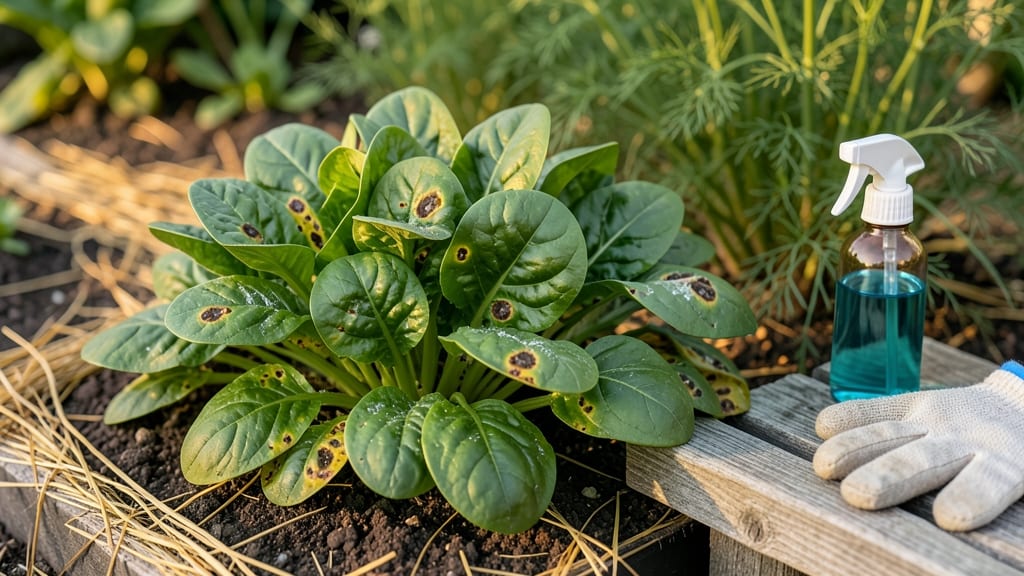
Your spinach leaves are turning into a spotted mess instead of crisp, vibrant greens. 🌿 Spinach leaf spot—those unsightly brown or black spots—can ruin a harvest faster than you can say "salad night," but I’ve learned how to stop it organically and keep your plants thriving.
The problem starts when fungal spores like Cercospora latch onto damp leaves, especially after overhead watering or humid mornings. Yellowing edges and crinkled foliage are dead giveaways, but the good news? Proper spacing, watering at the base, and copper-based sprays can turn things around in just a few applications.
With the right organic fungicide and a few simple adjustments, you’ll be back to harvesting bright, healthy leaves in no time. The key is acting fast—once the spots spread, the plant diverts energy away from growth, leaving you with bitter, stunted greens.
This method works for both backyard gardens and container setups, and it’s safe enough to use right up until harvest. Let’s get those leaves looking crisp again—no more sad, spotted salads!
Root Causes Of Leaf Blemishes
Spinach leaf spot—those unsightly brown or black spots marring your once-vibrant greens—is rarely just a random act of nature. 🌧️🍃 Most often, it’s a sign that your plants are under stress from one or more of these common culprits.
Understanding the why behind the problem is the first step to reclaiming your crisp, healthy spinach. Let’s break down the science and what’s really going on in your garden.
Fungi are the most frequent offenders behind leaf spot diseases in spinach. These microscopic organisms thrive in moist, warm conditions and can spread rapidly if left unchecked. The two most common fungal culprits are:
- Alternaria leaf spot – Caused by the Alternaria fungus, this disease appears as small, dark spots with concentric rings, often surrounded by yellow halos. It loves humid conditions and can survive in plant debris from previous seasons.
- Cercospora leaf spot – This fungus creates irregular, tan or brown spots with dark borders. It’s particularly aggressive in warm, wet weather and can defoliate spinach quickly if not managed.
Why it happens: Fungal spores land on spinach leaves, germinate in damp conditions, and penetrate the leaf tissue through natural openings or wounds. Once inside, they feed on the plant’s nutrients, leading to necrosis (dead tissue) and those telltale spots. Overhead watering and poor air circulation create the perfect breeding ground.
While less common than fungal infections, bacterial leaf spots can still wreak havoc on your spinach. The most notorious culprit is Xanthomonas campestris, which causes:
- Small, water-soaked spots that turn yellow or brown with a greasy appearance.
- Rapid spread under high humidity, often with a slimy bacterial ooze in severe cases.
Why it happens: Bacteria hitchhike on wind, water, or contaminated tools, entering the plant through stomata (tiny pores) or wounds. Unlike fungi, bacteria don’t need organic matter to survive—they thrive in wet foliage and crowded plantings. Once established, they multiply quickly, clogging plant vessels and cutting off nutrient flow, leading to leaf death.
Not all leaf spots are caused by pathogens—sometimes, your spinach is just too stressed to fight off minor infections. Environmental factors can weaken plants, making them more susceptible to spotting:
| Factor | How It Weakens Spinach | Resulting Leaf Spots |
|---|---|---|
| ❄️ Cold Stress | Freezing temps damage cell walls, making leaves vulnerable to secondary infections. | Small, dark, irregular spots, often with a "frost-bitten" look. |
| 🌞 Excessive Heat | High temperatures cause water loss, leading to sunburn-like damage. | Bleached or brown patches, especially on leaf edges. |
| 💧 Overwatering or Poor Drainage | Soggy roots starve leaves of oxygen, leading to cell death. | Yellowing between veins ("iron deficiency" mimic) or dark, mushy spots. |
| 🌬️ Low Airflow | Stagnant air traps moisture, slowing drying and promoting fungal growth. | Spots clustered in dense foliage, often with white fungal growth underneath. |
Why it happens: Spinach is a cool-season crop, and when pushed outside its comfort zone—whether by extreme heat, cold, or waterlogged soil—its defenses drop. Weakened leaves are easier targets for opportunistic pathogens. Pro tip: 🌡️ Monitor soil temps (ideal: 50–70°F) and ensure 1–2 inches of mulch to regulate moisture.
A spinach plant that’s malnourished is like a person with a weak immune system—it can’t fight off infections or recover from stress. Leaf spots often appear as a symptom of underlying deficiencies:
- Magnesium deficiency – Causes interveinal chlorosis (yellowing between veins) that can progress to brown spots, mimicking disease.
- Boron deficiency – Leads to small, dark spots on leaf edges, often with distorted growth.
- Calcium deficiency – Results in "blossom end rot"-like spots, starting at leaf tips and spreading inward.
Why it happens: Spinach is a heavy feeder, especially for magnesium and calcium. Poor soil structure, lack of organic matter, or imbalanced fertilizers (e.g., too much nitrogen, too little micronutrients) starve roots. When leaves can’t produce enough chlorophyll or maintain cell integrity, they become prone to necrosis—even from minor stressors like wind or fungal spores.
Actionable fix: Test your soil (pH 6.0–7.0 is ideal for spinach) and amend with compost, kelp meal, or Epsom salt (for magnesium) if deficiencies are suspected.
Now that you know the why, the next step is preventing and treating these issues—without resorting to harsh chemicals. Stay tuned for organic fixes that’ll have your spinach looking crisp and disease-free in no time! 🌱✨
Fixing Fungal Foliage Foes Naturally
When those pesky brown or black spots start creeping across your spinach leaves, it’s time to roll up your sleeves and take action. The good news? You don’t need harsh chemicals to save your crop—just a few targeted, organic fixes.
Below, we’ll map out the most common causes of leaf spot in spinach and match them with practical, garden-friendly solutions. Prevention tips are sprinkled in so you can keep your greens thriving long-term!
Too much moisture—whether from rain, overwatering, or soggy soil—creates the perfect breeding ground for fungal spores. If your spinach leaves are looking soggy with yellowing edges and spots, drainage is likely the culprit.
#### How to Fix It:- 🔥 Adjust Your Watering Routine
- Water deeply but only when the top 1–2 inches of soil are dry.
- Avoid overhead watering—use a drip irrigation system or water at the base of plants in the early morning.
- 🏗️ Improve Soil Drainage
- Amend heavy or clay soil with compost or sand to loosen it up.
- If growing in containers, ensure pots have drainage holes and use a well-draining potting mix.
- ✨ Pro Tip: Mulch around plants with straw or shredded leaves to keep soil moist but prevent splashing water onto leaves.
Fungal spores love humidity! If your spinach is planted too closely together or the air is consistently damp (think: greenhouses or rainy seasons), leaf spot will spread like wildfire.
#### How to Fix It:- 🌬️ Boost Air Circulation
- Space plants 12–18 inches apart to allow airflow.
- Use a small fan on low setting near plants (if indoors) to reduce humidity.
- 🌤️ Encourage Sunlight
- Ensure spinach gets at least 4–6 hours of sunlight daily—sunlight naturally dries leaves and inhibits fungal growth.
- 💡 Prevention Hack: Prune lower leaves to improve airflow and remove any already spotted leaves immediately.
If the spots are dark, concentric (like bullseyes), and spreading rapidly, you’re likely dealing with a fungal infection like Alternaria or Cercospora leaf spot.
#### How to Fix It:- 🍳 Apply Organic Fungicides
- Spray leaves with a baking soda solution (1 tsp baking soda + 1 quart water + a few drops of dish soap) every 7–10 days.
- Use a neem oil spray (2 tbsp neem oil + 1 quart water + 1 tsp mild soap) for a natural antifungal boost.
- Try a copper fungicide (like copper soap) for severe infections—follow label instructions.
- 👨🍳 Rotate Your Sprays
- Alternate between baking soda, neem oil, and compost tea to prevent resistance.
- ⏰ Timing Matters: Apply fungicides in the evening to avoid burning leaves in direct sunlight.
Spinach that’s nutrient-deficient, pest-stressed, or struggling with poor soil health is more susceptible to leaf spot. Yellowing leaves, stunted growth, or holes from pests all weaken defenses.
#### How to Fix It:- 💪 Feed Your Spinach
- Add a balanced organic fertilizer (like fish emulsion or compost tea) to boost plant health.
- For nitrogen-rich greens, use alfalfa meal or blood meal.
- 🚫 Pest Patrol
- Check for aphids, slugs, or caterpillars—remove them with soapy water or diatomaceous earth.
- 🎯 Soil Health Check:
- Test your soil’s pH—spinach prefers 6.0–7.0. Adjust with lime (to raise pH) or sulfur (to lower it) if needed.
Once you’ve tackled the immediate issue, keep these tips in mind to prevent future outbreaks:
- 🌱 Crop Rotation: Don’t plant spinach (or other greens) in the same spot year after year—rotate with non-host plants like beans or tomatoes.
- 🌡️ Sanitize Tools: Clean pruners and garden tools with rubbing alcohol between uses to avoid spreading spores.
- 🌿 Choose Resistant Varieties: Opt for spinach varieties like ‘Tyee’ or ‘Bloomsdale Long Standing’, which are more disease-resistant.
- 🍂 Fall Cleanup: Remove and compost or discard infected plant debris at the end of the season to eliminate fungal overwintering spots.
With these fixes, your spinach should bounce back with vibrant, spot-free leaves in no time. Happy gardening! 🌱💚
Frequently asked questions
What's the difference between fungal and bacterial leaf spot on spinach?
Fungal spots (like Cercospora) appear as irregular tan/brown patches with dark borders, often surrounded by yellow halos. Bacterial spots are usually smaller, water-soaked, and may ooze when pressed. Fungi thrive in damp conditions, while bacteria spread fastest in crowded, wet foliage.
Can I still eat spinach with leaf spot?
Only harvest leaves from the outer edges of healthy plants, avoiding severely spotted areas. Wash leaves thoroughly before eating. If spots cover most leaves, it's safer to remove affected plants entirely to prevent spread. Mild cases won't harm you, but severe fungal/bacterial infections may affect taste and nutrition.
How often should I apply organic fungicides?
Apply every 7-10 days during active growth (spring/fall) or when conditions are damp. For baking soda sprays, mix fresh each time (1 tsp baking soda + 1 quart water + dish soap). Neem oil can be used every 5-7 days. Stop applications 3 days before harvest to ensure safety.
Will my spinach recover if I remove spotted leaves?
Yes, but only if you act early! Remove all spotted leaves immediately to stop spore spread. Prune lower leaves first to improve airflow. For mild cases, new growth will emerge within 2-3 weeks. Severe infections may require fungicides and better cultural practices to fully recover.
Can I use the same fungicide spray on other greens?
Most organic sprays (baking soda, neem oil, copper) are safe for all leafy greens, but always test a small area first. Avoid copper sprays on brassicas (like kale) as they can cause burning. Rotate products to prevent resistance—never use the same spray continuously for more than 2 weeks.