
Trees
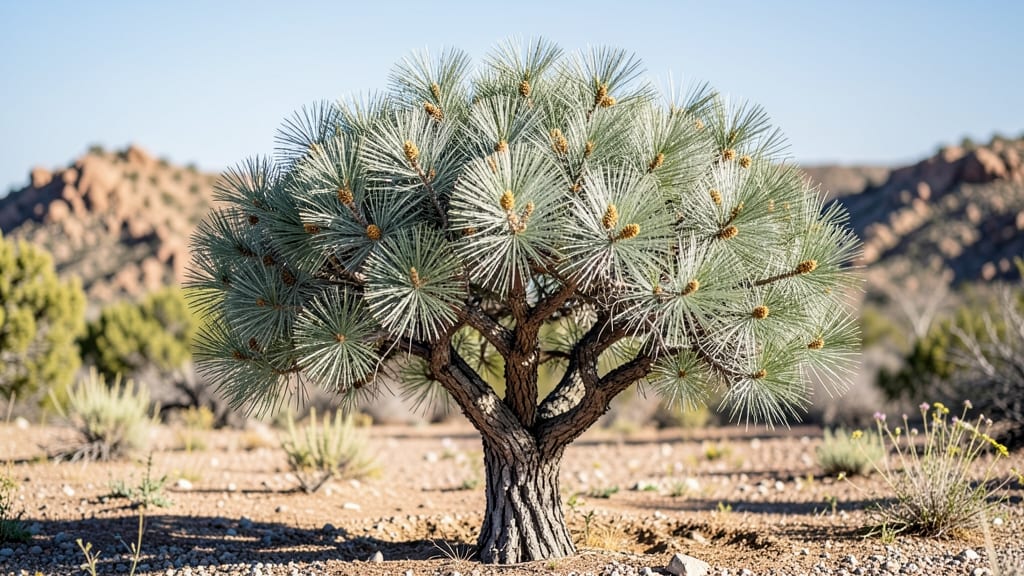
Planting a singleleaf pinyon pine means adding a drought-proof sentinel to your landscape—one that thrives where most trees would wither. 🌵 I’ve watched these resilient pines stand tall through years of dry spells, their needle clusters swaying even when the soil cracks around them.
This isn’t just a tree; it’s a survivor built for arid climates, perfect for desert gardens or low-water landscapes.
The secret to their success lies in their native habitat—rocky slopes and canyons where water is scarce. They demand full sun, well-draining soil (even rocky or sandy), and surprisingly little water once established.
Seedlings need occasional deep watering, but mature trees can go months without a drop. That’s the beauty of Pinus monophylla: it’s the kind of tree that outlasts trends and droughts alike.
By planting one now, you’re investing in a long-term focal point—these pines grow slowly but live for centuries, their twisted branches creating dramatic texture. Their edible pine nuts (yes, the same ones in gourmet stores!) are a bonus, though they take years to produce.
The trade-off? Fewer pests than other pines, thanks to their tough bark and natural resistance.
Best for USDA zones 5-9, they’re ideal for Southwest landscapes but adapt to other dry regions too. Just avoid heavy clay soils—root rot is their only real enemy.
With proper placement, your pinyon will reward you with shade, wildlife value, and that satisfying “I didn’t have to do much” pride. Ready to plant one?
📚 In This Guide
- What you need
- Instructions
- Tips and common mistakes
- Wrapping up and next steps
What you need
- ● Singleleaf pinyon pine seeds or saplings: 1–3 (seeds take 2–4 years to germinate; saplings offer faster results).
- ● Well-draining soil mix: 50% native sandy or rocky soil (or cactus/succulent mix).
- ● 30% perlite or pumice (for aeration).
- ● 20% compost or organic matter (for nutrients).
- ● Container or planting site: For seedlings: 4–6" pots with drainage holes (or seed trays).
- ● For mature trees: Hole twice as wide as the root ball, with loose soil.
- ● Watering can or hose with a gentle nozzle: Avoid overwatering—this tree hates soggy roots!
- ○ Mulch (optional but recommended): 2–3" layer of gravel or bark chips to retain moisture and deter weeds.
- ● Fertilizer (low-nitrogen, slow-release): 10-10-10 or 5-10-10 blend (apply sparingly, 1–2 times/year).
- ● Pruning shears or loppers: For shaping or removing dead branches (sterilize with rubbing alcohol).
- ● Gloves and long sleeves: Protect yourself from sap and sharp needles.
- ● Soil pH test kit: Ideal range is slightly acidic to neutral (6.0–7.5).
- ● Drip irrigation system: For consistent moisture in arid climates.
- ● Shade cloth (30–50% coverage): Protect young seedlings from intense afternoon sun.
- ● Wildlife deterrents: Chicken wire or mesh to guard against burrowing animals.
- ● Photographs or sketch of mature tree: Plan spacing (15–25 ft apart for full-grown trees).
Step-by-step guide to growing singleleaf pinyon pine saplings
Here's how to nurture these iconic desert trees into sturdy, drought-resistant specimens.
🌱 Step 1: Select the Right Site and Prepare the Soil
Singleleaf pinyon pines thrive in full sun with 6+ hours of direct light daily—they won’t tolerate shade. Choose a spot with well-draining soil, as these trees despise soggy roots. If your soil is heavy clay, mix in 3-4 inches of coarse sand or gravel to improve drainage before planting.
Test your soil’s dryness first. Stick your finger 2 inches deep—if it feels damp, wait a few days before planting. The ideal soil should be dry to the touch at this depth. These trees are adapted to arid conditions, so don’t over-amend with organic matter unless your soil is extremely poor.
🪴 Step 2: Plant Saplings at the Correct Depth and Spacing
Dig a hole twice as wide as the sapling’s root ball but only as deep as the container it came in. Loosen the sides of the hole with your shovel to encourage root spread. Place the sapling in the center, ensuring the top of the root ball sits just below soil level—never bury the trunk deeper than it was in the container.
Space saplings 15-20 feet apart for mature growth. These trees grow slowly but can reach 30-40 feet tall with a spread of 15-25 feet. If planting multiple trees, arrange them in a natural, staggered pattern to mimic their wild growth habits. Backfill the hole with the native soil, tamping gently to remove air pockets.
☀️ Step 3: Water Deeply and Establish a Drought-Tolerant Routine
Water the sapling deeply right after planting—soak the soil until water runs out of the bottom of the hole. This encourages roots to grow downward. After that, water only when the top 3-4 inches of soil are completely dry, which could be every 2-3 weeks in established plants. Overwatering is the fastest way to kill a pinyon pine.
Mulch around the base with 2-3 inches of gravel or coarse wood chips, keeping mulch 6 inches away from the trunk to prevent rot. This mimics their natural desert environment while suppressing weeds. Avoid organic mulches like bark or straw—they retain too much moisture and can smother the roots.
✂️ Step 4: Prune for Structure and Health
Prune only to remove dead, diseased, or crossing branches—never for shaping. Use clean, sharp pruners to make cuts just outside the branch collar. These trees develop their iconic twisted branches naturally, so resist the urge to "neaten" them. Prune in late winter or early spring before new growth begins.
Watch for signs of stress, like yellowing needles or stunted growth, which often signal overwatering. Pinyon pines are tough but not indestructible—if you see browning needles, reduce watering immediately. These trees rely on deep, infrequent watering to thrive, not constant moisture.
⏰ Step 5: Monitor for Pests and Long-Term Care
Singleleaf pinyon pines are relatively pest-resistant, but watch for pine bark beetles or aphids, which can stress young trees. If you spot infestations, treat with neem oil or insecticidal soap—avoid harsh chemicals that harm beneficial insects. Healthy trees rarely need intervention, though.
Fertilizing is rarely needed—these trees evolved in nutrient-poor soils. If your soil is extremely poor, apply a light application of 10-10-10 fertilizer in early spring, but follow up with a deep watering to prevent root burn. After the first year, let the tree fend for itself—it’s built for survival, not coddling.
Tips & tricks for growing thriving singleleaf pinyon pines
Here’s what I’ve learned from years of nurturing these resilient desert natives—details that make all the difference between a struggling sapling and a majestic, drought-proof tree.
Site Selection Secret: These trees aren’t picky about soil type, but they absolutely demand full sun. If your yard has afternoon shade, consider planting against a south-facing wall or fence—the extra reflected sunlight can make the difference between thriving and just surviving. I’ve seen pinyon pines planted in partial shade grow slowly and develop weak branches, while those in full sun develop that signature twisted strength within just a few years.
Planting Depth Check: The most common mistake I see is burying the root ball too deep. When you’re placing your sapling in the hole, make sure the top of the root ball sits just below soil level—never deeper than it was in the container. If you bury it too deep, you’ll suffocate the trunk and create a perfect environment for rot. A simple trick: Use a pencil to mark the depth on the container before removing the sapling, then match that exact level when planting.
Watering Wisdom: The deep watering right after planting is non-negotiable—it’s what encourages those roots to grow downward where they’ll find moisture in the wild. After that initial soak, resist the urge to water on a schedule. Instead, stick your finger 3-4 inches deep into the soil. If it feels completely dry, that’s your cue to water deeply again. I’ve killed more pinyon pines through overwatering than anything else, and it always happens when people treat them like thirsty houseplants.
Mulch Matters: While gravel mulch is perfect for mimicking desert conditions, I’ve found that adding a thin layer of coarse wood chips (about 1 inch thick) on top of the gravel creates an even better microclimate. The wood chips help regulate soil temperature while still allowing water to drain quickly. Just remember to keep that mulch at least 6 inches away from the trunk—pinyon pines hate having their bases smothered, even with "natural" mulch.
Pro Tips for Singleleaf Pinyon Pine
- Here’s what I’ve learned from years of nurturing these resilient desert natives—details that make all the difference between a struggling sapling and a majestic, drought-proof tree.
- Site Selection Secret: These trees aren’t picky about soil type, but they absolutely demand full sun.
- Planting Depth Check: The most common mistake I see is burying the root ball too deep.
Frequently asked questions
Got questions about growing or caring for singleleaf pinyon pine? You’re not alone! Here are answers to the most common queries—from planting tips to troubleshooting—so you can nurture this hardy tree with confidence.
How fast does a singleleaf pinyon pine grow, and how big will it get?
This slow-growing beauty typically adds just 6–12 inches per year in ideal conditions. Mature trees reach 15–30 feet tall with a spread of 10–20 feet, making them perfect for spacious yards or desert landscapes. Patience pays off—these trees live for centuries!
Can I transplant a mature singleleaf pinyon pine, and when’s the best time?
Transplanting is tricky but possible for young trees (under 10 years old). The best time is late fall or early winter when the tree is dormant. For larger specimens, hire a pro—root damage can stress the tree. Always water deeply 2–3 weeks before and after to ease shock.
How often should I water a singleleaf pinyon pine, especially in drought?
Once established (2+ years old), these trees are drought-tolerant and need little to no supplemental water. For newly planted saplings, water deeply once a week for the first year, then taper off. Overwatering is the real enemy—it causes root rot in sandy desert soils.
What pests or diseases should I watch for with singleleaf pinyon pines?
These trees are resilient but can fall prey to pinyon ips beetles (tiny bark borers) or dothistroma needle blight in wet years. Look for sawdust-like frass or yellowing needles. Treat beetles with pruning infected branches and blight with copper fungicides if needed.
Are there alternatives to singleleaf pinyon pine for low-water landscapes?
If you love the look but need faster results, consider:
- Mexican pinyon pine (Pinus cembroides) – Similar drought tolerance but slightly faster growth.
- Desert willow (Chilopsis linearis) – Blooms beautifully with minimal water.
- Texas mountain laurel (Sophora secundiflora) – Stunning purple flowers and deer-resistant.
Wrapping up and next steps
The singleleaf pinyon pine is a stunning, low-maintenance choice for arid landscapes, thriving where many trees struggle. With its drought tolerance, unique pine nuts, and striking beauty, it’s a win-win for both nature lovers and eco-conscious gardeners.
Whether you’re restoring native habitats or simply adding resilience to your yard, this tree is a resilient powerhouse.
Ready to plant your own? Start by sourcing a healthy sapling, preparing the soil, and giving it the right care—then watch it flourish! 🌱 For more expert tips, explore our detailed planting guide or connect with local arborists to ensure your pinyon pine grows strong for decades to come.