
Pests and Diseases
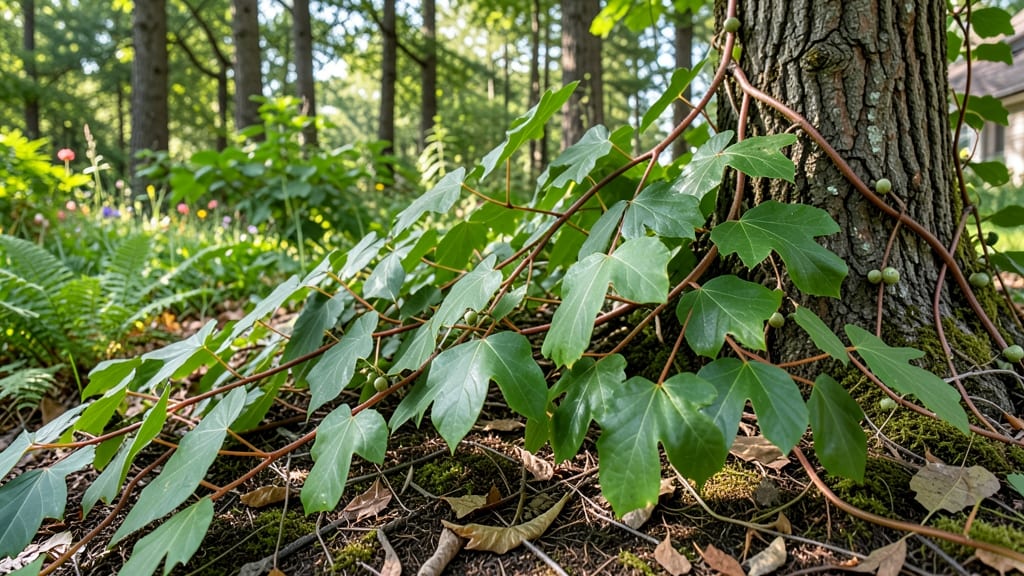
"Show me the poison ivy leaf"—that’s your first line of defense against a painful garden mistake. Those glossy, trifoliate leaves pack an itchy punch, and one brush against the oil urushiol will teach you why this plant demands respect.
The key is spotting its distinctive trio of leaves with smooth edges and pointed tips, often arranged alternately along a reddish stem. Virginia creeper (its look-alike) has five leaflets, while poison ivy's three grow directly from a single stem.
Pro tip: the middle leaf often sports a longer stem than its neighbors, creating a telltale "V" shape. Once you spot it, act fast. Wear long sleeves, gloves, and goggles—even dead vines trigger rashes.
Scrape the plant into a sealed bag (never burn it!), then wash exposed skin with soap and cold water within 10 minutes. The sooner you remove it, the less chance it has to spread its misery.
Prevention beats cure: learn the landmarks (wooded edges, fence lines) where poison ivy thrives, and check your yard after rain when urushiol is most active. A little vigilance now saves weeks of scratching later. Let's get you identifying—and avoiding—this troublemaker for good.
How Your Skin Reacts
Poison ivy’s infamous rash isn’t caused by the plant itself but by a chemical reaction in your skin—specifically, an allergic response to urushiol (yoo-ROO-shee-ol), the oily resin found in its leaves, stems, and roots.
When you touch the plant, urushiol binds to your skin proteins, triggering an immune system overreaction. Here’s why this happens—and how your body turns even a tiny exposure into a painful reminder.
Urushiol is a potent allergen that penetrates your skin almost instantly. Unlike some irritants that cause immediate redness, urushiol takes 12–48 hours to bind to your skin cells. Once it does, your immune system recognizes it as a threat and floods the area with histamines and cytokines—chemical signals that:
- Increase blood flow → Swelling and redness
- Signal white blood cells → Inflammation and itching
- Trigger nerve endings → Pain and burning sensations
💡 Pro Tip: Even a microscopic amount of urushiol (smaller than a grain of sand) can spark a reaction. That’s why preventing contact is your best defense.
Not everyone gets a severe rash from poison ivy—your body’s sensitivity plays a huge role. Here’s why reactions vary:
| Factor | Why It Matters | Actionable Fix |
|---|---|---|
| Genetics | About 15–30% of people are highly sensitive due to genetic predisposition (e.g., family history of severe reactions). | If you’ve had bad reactions before, avoid high-risk areas (wooded trails, gardens) and wear protective clothing. |
| Skin Type | People with damp or broken skin (e.g., eczema sufferers, athletes with sweat) absorb urushiol faster. | Apply zinc oxide or calamine lotion as a barrier before outdoor activities. |
| Repeated Exposure | Your immune system can become more sensitive over time—like a bad allergy building up. | If you work outdoors, rinse with soap and water within 10 minutes of potential exposure. |
| Age | Children often have milder reactions, while adults (especially those 20–40) may experience worse blisters. | Teach kids to avoid touching plants and use kid-friendly protective gear. |
Here’s the sneaky part: urushiol doesn’t just cause rashes immediately. It can linger on your skin, clothes, or tools for years—even after the plant is gone. That’s why:
- Indirect contact (e.g., touching a dog that walked through poison ivy, using contaminated gardening tools) triggers reactions.
- Re-exposure before the rash fully heals can worsen symptoms or spread the rash to new areas.
- Smoke from burning poison ivy contains urushiol particles that can infect your lungs, causing severe breathing issues.
🔥 Critical Alert: If you suspect urushiol on your skin, wash within 5 minutes—the sooner, the better. Use cold water and soap (hot water opens pores, trapping urushiol deeper).
How to Treat and Prevent Poison Ivy
Poison ivy rashes are no joke—those itchy, blistering patches can turn a simple hike or backyard project into a misery fest. But don’t panic!
Whether you’ve just spotted the plant or are already dealing with a reaction, here’s how to tackle it fast and effectively, plus how to keep it from happening again.
---
If you’ve already come into contact with poison ivy, act quickly to stop the itch and speed up healing.
#### 💧 Wash the Affected Area ASAP - 🔥 Rinse with cold water within 30 minutes of exposure to remove urushiol oil (the irritant). - 🧼 Use soap—mild dish soap or technical decontaminating soap (like Zep or Dial) works best. - ⚠️ Avoid hot water, which can spread oil deeper into the skin.
#### 🧴 Apply Over-the-Counter Treatments - 🍯 Calamine lotion or hydrocortisone cream (1%) to reduce itching and inflammation. - 🌿 Oral antihistamines (like Benadryl) can help with swelling and itchiness—but avoid topical Benadryl (it can cause skin irritation). - 🧊 Cold compresses (wet cloth in cold water) for 10-15 minutes to soothe blisters.
#### 🚫 What NOT to Do - ❌ Don’t scratch! Breaking blisters increases infection risk. - ❌ Avoid baking soda pastes—they can dry skin too much and worsen cracking. - ❌ Never use bleach or rubbing alcohol—they can burn skin and spread oil.
---
Some reactions are severe and need medical attention. Get help if you: - Have face/swollen eyes (signs of a severe allergic reaction). - Develop large blisters, oozing, or fever (possible infection). - Can’t sleep or function due to unbearable itching.
A doctor may prescribe: - 💉 Steroid shots (like prednisone) for extreme cases. - 🩹 Wet dressings (gauze soaked in Burow’s solution) for weeping blisters. - 🔄 Phototherapy (for chronic or widespread rashes).
---
If you’re dealing with the plant itself (not just the rash), protect yourself first!
#### 🛡️ Gear Up Before Removal - 🧤 Wear long sleeves, gloves, and goggles—urushiol can spread via skin contact, clothing, or even airborne particles. - 🌧️ Remove on a cloudy day—sunlight increases urushiol potency.
#### 🔪 Safe Removal Methods | Method | How to Do It | Pro Tip | |--------------------------|------------------|-------------| | 🌱 Smother with Vinegar | Spray undiluted white vinegar on leaves/stems, wait 24 hours, then pull. | Works best for small patches. | | 🔥 Burn (Carefully!) | Use a propane torch only in safe, open areas (no dry brush nearby). | ⚠️ Check local burn laws first! | | 🪓 Dig Out Roots | Use a shovel to remove all roots (even tiny fragments can regrow). | 💡 Cover the area with cardboard + mulch to prevent regrowth. | | 🍃 Call a Pro | If the patch is large or near a home, hire a licensed exterminator. | Some cities offer free poison ivy removal—check local resources! |
#### 🧹 Clean Up Properly - 🧺 Bag all plant debris in double plastic bags and dispose of it in the trash (not compost!). - 🧼 Wash tools, clothing, and skin with soap and water immediately. - 🚿 Shower with cool water and soap within 8 hours of exposure.
---
An ounce of prevention is worth a pound of itching! Follow these easy habits to avoid poison ivy entirely.
#### 🌳 Learn to Identify It - 🍃 Remember the rhyme:** "Leaves of three, let it be!" - 📸 Use an app like iNaturalist or PlantNet to snap and identify suspicious plants. - 🔍 Check before sitting/leaning—poison ivy loves fences, trees, and garden edges.
#### 👕 Dress Smart in Nature - 🧥 Wear long sleeves and pants in wooded areas. - 👟 Tuck pants into socks to prevent urushiol from crawling up legs. - 🧦 Choose tight-woven fabrics (like nylon) that repel oil better than cotton.
#### 🏡 Protect Your Home & Yard - 🌿 Remove poison ivy early—don’t let it spread! - 🚫 Avoid burning it (smoke can cause lung irritation). - 🌱 Plant alternatives like boxwood, holly, or pachysandra in shady areas where poison ivy thrives.
#### 🧼 Decontaminate After Exposure - 🚿 Shower within 8 hours—urushiol can linger for months on skin/clothes. - 🧺 Wash clothes in hot water (130°F+) with detergent. - 🧽 Clean tools and pets—animals can track urushiol into your home!
--- 💡 Pro Tip: If you’re highly sensitive, consider urushiol immunity therapy—some dermatologists offer controlled exposure to build tolerance over time!
--- With these steps, you’ll minimize rashes, remove poison ivy safely, and keep it from crashing your outdoor plans again. Stay vigilant, and enjoy the great outdoors itch-free! 🌿✨
Frequently asked questions
What are the key differences between poison ivy and Virginia creeper?
Poison ivy has three glossy leaflets (never five) arranged alternately along a stem, while Virginia creeper has five leaflets per leaf. The middle leaflet in poison ivy often has a longer stem, creating a "V" shape, but Virginia creeper's leaflets all connect directly to the central stem. Also, Virginia creeper grows in clusters, while poison ivy spreads as a vine.
Can pets get poison ivy rashes?
Pets can't develop rashes from urushiol like humans, but they can carry the oil on their fur and spread it to you. After outdoor adventures, wash your pet's paws and fur with soap and water, and change their clothes if they wear them. Keep pets away from areas where you're removing poison ivy to avoid contamination.
How long does it take for a poison ivy rash to appear?
Rashes typically appear within 12–48 hours of exposure, but can take up to 7 days in some cases. The delay happens because urushiol needs time to bind to your skin proteins before your immune system reacts. If you suspect exposure, start washing immediately—it may prevent or reduce symptoms.
Is poison ivy more dangerous in certain seasons?
Yes! Urushiol levels are highest in spring and summer when the plant is actively growing. After the first frost, the oil concentration drops, making winter a safer time for removal. Rain also increases urushiol potency, so check for poison ivy after storms when the plant is most dangerous.
Can I still use wood from a poison ivy-infested area?
Never burn wood that may contain poison ivy—smoke can cause severe lung irritation. If you need to use the wood, wait until it's completely dry (urushiol degrades over time), then burn it in an open area with proper ventilation. For safety, cover the area with heavy mulch or cardboard to prevent regrowth before using the wood.