
Pests and Diseases
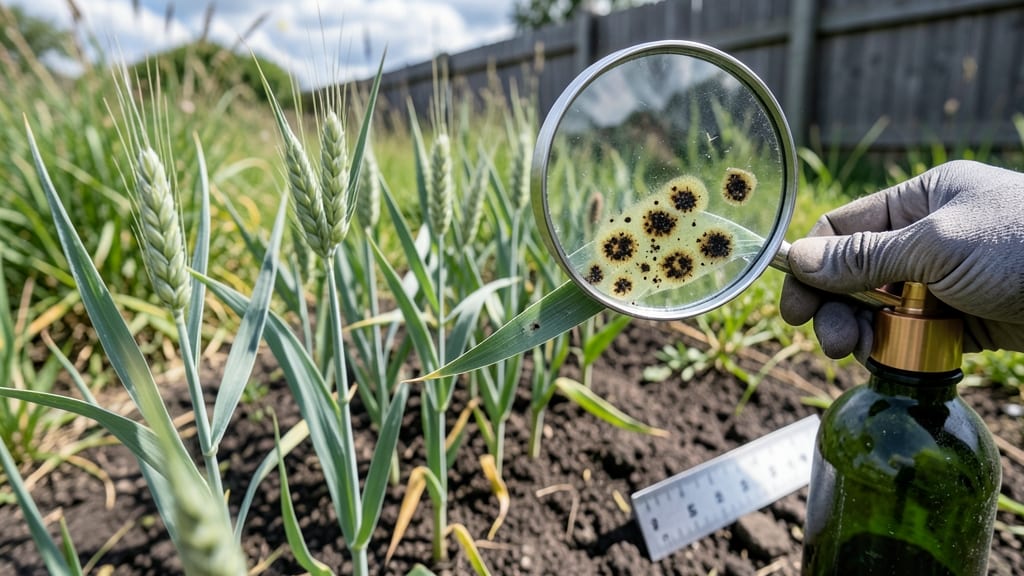
Copper spray stops septoria leaf spot dead in its tracks—48 hours of protection for your tomatoes, wheat, or celery. 🌱 I’ve seen this stubborn fungal disease turn lush green leaves into skeletal brown messes, but copper fungicide cuts off the spread faster than any other method I’ve tried.
The telltale signs are small dark spots with tiny black specks in the center, often on lower leaves first. Humidity and wet foliage fuel the spread, so if your plants look stressed after rain or overhead watering, septoria might be the culprit.
The good news? Copper sprays work on contact, so you can apply them preventively or at the first sign of trouble.
Within two days, new growth stays clean, and existing spots stop expanding. For severe cases, repeat every 7–10 days until the season ends. The key is consistency—don’t wait until the spots cover half the plant, or you’ll be fighting a losing battle.
Pair this with proper spacing and watering at the base to keep leaves dry, and you’ll outsmart the fungus every time. No more wilting crops or wasted harvests—just healthy, productive plants all season long.
The Hidden Triggers Behind Fungal Spread
If your plants are battling septoria leaf spot, understanding the root causes is half the battle. This stubborn fungal disease doesn’t strike randomly—it thrives when specific conditions align.
Below, we break down the key factors that turn your garden into a fungal buffet, so you can nip the problem in the bud before it spreads.
The fungus Septoria tritici (or related species) loves moisture—think of it as a fungal snowball rolling downhill. When leaves stay damp for prolonged periods, spores germinate and infect plant tissue. Here’s why it happens:
- Prolonged leaf wetness: Rain, overhead irrigation, or dew lingering on leaves for more than 6–12 hours creates the perfect breeding ground. The fungus needs free water to penetrate plant cells.
- Tight plant spacing: Crowded foliage traps humidity, reducing airflow. Stagnant air slows evaporation, keeping leaves damp longer.
- Shady or low-light areas: Plants in shade dry slower, extending moisture exposure. Fungal spores also spread more easily in humid, shaded environments.
Actionable fix: Space plants properly (follow label guidelines for your crop), water at the base (not overhead), and prune for better airflow. If rain is forecasted, use a fungicide like copper spray before leaves get soggy.
A healthy plant’s natural barriers—like waxy cuticles and antimicrobial compounds—can fend off fungal invaders. But when plants are stressed, those defenses weaken, making them prime targets.
- Nutrient deficiencies: Low nitrogen (N) or potassium (K) weakens cell walls, making them easier for fungi to breach. Yellowing leaves (a sign of nitrogen deficiency) are often the first to show spots.
- Physical damage: Wounds from hail, insects, or rough handling create entry points for spores. Even pruning cuts can invite infection if not sanitized.
- Environmental stress: Extreme heat, drought, or sudden temperature swings shock plants, suppressing their immune response.
Actionable fix: Conduct a soil test to correct deficiencies, avoid over-pruning, and mulch to stabilize soil moisture. Hardened-off plants (acclimated to outdoor conditions) resist stress better.
Fungal spores are sneaky survivors. They can lie dormant in plant residue, soil, or even seed coatings for years, waiting for the right conditions to strike. Here’s how they sneak back into your garden:
- Infected plant debris: Leaving fallen leaves, stems, or crop remnants in the soil over winter keeps spores alive. When spring arrives, they’re ready to reinfect new growth.
- Contaminated tools or seed: Pruners, gloves, or even seed packets can carry spores from previous infections. So can compost made from diseased plants.
- Wind or water spread: Spores hitch rides on rain splashes or breezes, landing on healthy plants like pollen. This is why the disease often appears systematically across a field or garden.
Actionable fix: Practice crop rotation (avoid planting susceptible crops like wheat or tomatoes in the same spot yearly) and sanitize tools with 70% alcohol or bleach. Remove and destroy (don’t compost) infected plant material.
Fungi aren’t fans of extremes—they prefer a Goldilocks zone of warmth and dampness. For septoria leaf spot, that means:
- Temperature range: Spores germinate best between 60–75°F (15–24°C). Cooler nights (<50°F/10°C) slow growth, but warm days with high humidity accelerate outbreaks.
- Relative humidity: Humidity above 75% for extended periods encourages spore release and infection. Greenhouses or plastic tunnels trap this moisture, creating a fungal paradise.
Actionable fix: Monitor weather forecasts and apply fungicides proactively during humid spells. Use ventilation fans in greenhouses or space plants to improve drying. Avoid planting susceptible crops in low-lying areas where cold air pools.
Pro tip: 💡 Scout early! Check the undersides of leaves first—spots often appear there before spreading. Catching it at the first tiny lesion (tiny brown dots with yellow halos) gives you the best shot at stopping it fast with copper spray.
Stop Fungal Spread Fast
Catching septoria leaf spot early is key to saving your plants—whether they’re leafy greens, wheat fields, or prized tomatoes. The good news? With the right mix of copper-based sprays, cultural fixes, and smart prevention, you can halt the fungus in its tracks.
Below, we break down cause-specific solutions so you can act fast and keep your plants thriving.
Cause: Humid, stagnant air traps moisture, giving fungi like Septoria the perfect breeding ground.
How to Treat It:
- 🍃 Prune for airflow – Remove dense foliage to let sunlight and air circulate. Aim for 12–18 inches of space between plants (or rows in crops).
- 🌬️ Use fans – In greenhouses or high-humidity areas, run a small fan for 10–15 minutes daily to dry leaves faster.
- ⏰ Water early – Soak soil before dawn so leaves dry by evening. Wet foliage overnight = fungal feast.
Prevention Tip: 💡 Install drip irrigation to avoid overhead watering, which splashes spores onto leaves.
Cause: Fungal spores thrive when left unchecked—copper disrupts their cell walls.
How to Treat It:
- 👨🍳 Mix copper fungicide – Use Bordeaux mix (copper sulfate + lime) or a fixed copper spray (like Copper Soap or Champ). Follow label rates (typically 1–2 tbsp per gallon of water).
- 🥘 Spray thoroughly – Coat both sides of leaves, especially undersides where spores hide. Reapply every 7–14 days or after rain.
- ⏰ Time it right – Apply at dawn or dusk to reduce leaf burn from UV exposure.
Pro Tip: ✨ Add 1 tsp baking soda + a few drops of dish soap to your copper mix for extra antifungal power (test on a small area first!).
Cause: Dead or spotted leaves stay infected, spreading spores to healthy plants.
How to Treat It:
- 🗑️ Bag and toss – Snip off yellow/brown leaves (don’t compost them!). Seal in a plastic bag and discard.
- 🌡️ Sterilize tools – Wipe pruners with rubbing alcohol between cuts to avoid cross-contamination.
- 🎯 Rotate crops – If growing edibles, don’t replant susceptible crops (like tomatoes or wheat) in the same spot for 2–3 years.
Warning: ⚠️ Never compost infected plant debris—it can reinfect your garden!
Cause: Weak plants (from nutrient deficiencies or stress) get sick faster.
How to Treat It:
- 💪 Fertilize smart – Use a balanced organic fertilizer (like 5-5-5) to strengthen roots. Avoid high-nitrogen alone—it promotes lush, weak growth.
- 🥗 Soil probiotics – Add compost or mycorrhizal fungi to improve soil health and plant immunity.
- 🍎 Companion plants – Interplant with marigolds, garlic, or thyme—their natural antifungal compounds deter spores.
Prevention Tip: 🔥 Mulch with straw to keep soil moist (but not soggy) and reduce spore splash from rain.
If your plants are severely infected (e.g., >50% leaf loss in crops), combine copper sprays with:
- 💊 Systemic fungicides (like chlorothalonil or propiconazole) for stubborn cases.
- 🌧️ Rain cover – Use row covers during wet spells to block spore splash.
Final Reminder: ⏳ Act within 48 hours of spotting lesions for the best results. Copper sprays work fastest on early-stage infections, so don’t wait!
Frequently asked questions
What do septoria leaf spot lesions look like on my plants?
Look for small, circular brown spots with tiny black specks in the center—these are the fungus's reproductive structures. The spots often start on lower leaves and may have yellow halos around them. Check leaf undersides first, as spores hide there.
Can I still harvest tomatoes or wheat with septoria leaf spot?
Yes, but focus on leaves that aren't infected. For tomatoes, remove spotted leaves and harvest fruit from healthy vines. In wheat, avoid harvesting if more than 30% of heads are infected—the fungus can reduce grain quality and yield.
How often should I apply copper spray for prevention?
Apply copper fungicide every 7–14 days during humid weather or after rain. For severe outbreaks, use it weekly until the threat passes. Always follow label instructions—overuse can harm plants or soil microbes.
Will septoria leaf spot return next year if I treat it this year?
Yes, spores can survive in soil or plant debris for years. To break the cycle, remove all infected plants, practice crop rotation (wait 2–3 years for susceptible crops), and sterilize tools between uses.
Are there organic alternatives to copper spray?
Yes! Try a mix of 1 tsp baking soda + 1 tbsp horticultural oil + 1 drop dish soap per gallon of water. Reapply every 5–7 days during wet conditions. While less potent than copper, this combo disrupts fungal growth naturally.