
Pests and Diseases
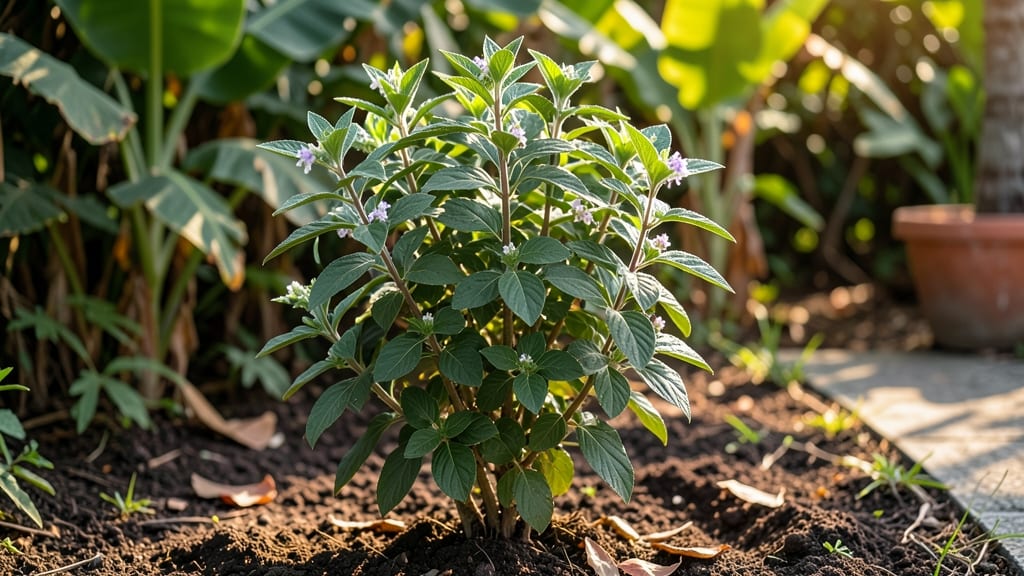
Scent leaf in French is called laurier sucré or feuille de laurier sucrée, though laurier alone can sometimes refer to bay leaf—always clarify in recipes to avoid confusion. It’s prized in West African and Caribbean cooking for its citrusy, slightly peppery aroma and flavor, similar to bay but more delicate.
This aromatic herb, known as laurier sucré in French, plays a key role in dishes blending West African and French techniques. 🌿 Unlike bay leaf, which has a stronger, more resinous taste, scent leaf adds a bright, almost lemony note that elevates sauces and stews.
Many French chefs working with African ingredients use it to bridge the gap between the two culinary traditions, especially in dishes like poulet yassa or bouillon de poisson.
What makes it particularly useful is its versatility—it works beautifully in both savory and slightly sweet preparations, unlike bay leaf which leans more toward savory applications. I always recommend drying it lightly before using in French recipes to intensify its flavor without overpowering other ingredients.
💡 In This Article
- How Scent Leaf Differs From Bay Leaf in French Culinary Terms
- Best Ways to Use Scent Leaf in French-Inspired Dishes
How scent leaf differs from bay leaf in French culinary terms
The botanical difference between laurier sucré (scent leaf) and feuille de laurier (bay leaf) starts with their scientific names: laurier sucré is Ocimum gratissimum, while bay leaf is Laurus nobilis. 🌿 The scent leaf belongs to the mint family (Lamiaceae), while bay leaf comes from the laurel family (Lauraceae).
This botanical distinction explains why their flavors differ so dramatically—scent leaf has a bright, almost citrusy aroma with peppery undertones, whereas bay leaf offers a deeper, resinous pine-like note.
In French kitchens, this distinction matters because laurier sucré is often used in West African and Caribbean dishes where its fresh, herbal profile shines.
French culinary terminology reflects this confusion because laurier alone can mean either, depending on context.
Historically, French speakers adopted laurier sucré through colonial trade with West Africa, where the herb is called efo in Yoruba or ngombo in Lingala. 🍋 The name "sucré" (sweet) refers to its subtle sweetness when dried, unlike bay leaf's bitter edge.
In recipes, laurier sucré is typically used whole or lightly crushed (like bay leaf), but its smaller size means it releases flavor faster—often just 5-10 minutes of simmering versus 30-45 minutes for bay leaf.
The aroma profile of scent leaf makes it a game-changer in French-West African fusion dishes.
When I compare them side-by-side, scent leaf's citrusy notes remind me of a cross between bay leaf and lemon verbena, while bay leaf tastes more like a dried, woody herb. 🌟 This is why chefs like Massamba Andrée (a pioneer of African-French cuisine) recommend using laurier sucré in dishes like poulet basquaise or fish stews—it adds brightness without overpowering.
The key is to use it sparingly: 1-2 leaves per liter of liquid is plenty, compared to 2-3 bay leaves for the same volume.
French language nuances add another layer: feuille de laurier sucrée is the more precise term, while laurier sucré alone might be ambiguous in professional kitchens. 📜 In French cookbooks, you'll often see laurier sucré specified for African-inspired recipes, whereas feuille de laurier defaults to bay leaf.
This distinction became critical after France's colonial era, when African ingredients entered mainstream French cuisine through Caribbean and West African diaspora communities. Today, many French markets stock both, but laurier sucré remains harder to find outside specialty stores.
What most home cooks don't realize is how scent leaf's texture differs from bay leaf.
Fresh leaves are tender and slightly fuzzy, while dried leaves become crisp and brittle—almost like dried thyme. 🌿 When cooking, this means they infuse flavor differently: scent leaf's delicate structure releases oils more gently, making it ideal for delicate sauces like sauce gribiche or chicken velouté, where bay leaf's boldness might dominate.
The smaller leaf size also means you can use them whole without worrying about stringy bits, unlike bay leaf which often needs removing before serving.
For those working with French techniques, here's the substitution rule: use half the quantity of scent leaf compared to bay leaf, and remove it after 10-15 minutes of cooking (vs. 20-30 minutes for bay). The reason? Scent leaf's volatile oils evaporate faster due to its thinner leaf structure.
This makes it perfect for quick preparations like sautéed greens with garlic or tomato-based sauces, where bay leaf would take too long to develop flavor.