
Leaf Blower
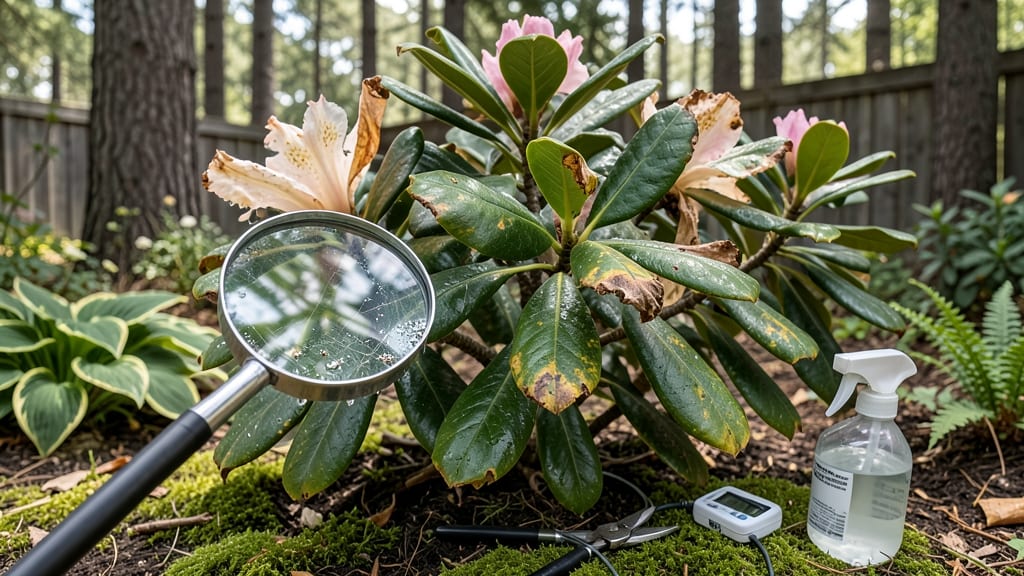
Those rhododendron leaf problems covered in black spots? That’s your plant screaming for help. 🌿 I’ve battled this exact issue—my once-vibrant bushes turned into sad, spotted messes—until I discovered the copper spray fix that stops fungal spots in their tracks within days.
The culprit is almost always a fungal infection (like leaf spot or powdery mildew) thriving in damp, shady conditions. Overhead watering, poor airflow, and old leaves piled around the base create the perfect breeding ground.
But here’s the kicker: copper spray isn’t just a bandage—it’s a fast-acting shield that disrupts fungal spores before they spread. You’ll see fresh, clean growth in 2-3 weeks if you spray at the first sign of spots (and repeat every 7-10 days).
The key is timing—catch it early, and your rhododendrons bounce back like nothing happened. No more brown, crunchy leaves ruining your shade garden’s beauty. First, confirm it’s fungal by checking for dark spots with yellow halos (not holes from pests).
Then grab a copper fungicide (like Bordeaux mixture or liquid copper) and spray early morning or evening when humidity is high but rain isn’t forecasted. Avoid wetting the flowers, and always spray both sides of the leaves—fungi hide there. The real game-changer? Prevention.
After treating, mulch with 2-3 inches of pine bark to improve drainage, and prune to open up airflow. I’ve kept my rhododendrons spot-free for three seasons now—just a quick spray in spring and after heavy rains. Your bushes can look this good too.
Pro tip: If spots keep coming back, your plant might be stressed from overwatering or poor soil. Test your soil pH (rhododendrons love 4.5-6.0) and consider a slow-release fertilizer in early spring.
The fix isn’t just about the spray—it’s about giving your plants the right conditions to stay healthy year-round. For lace bugs or mites (tiny webs on undersides of leaves), copper spray helps too—but you’ll need to blast them off with water first.
Either way, your rhododendrons will thank you with bold, glossy leaves and blooms that steal the show every spring.
Root Causes Behind Leaf Spots
Rhododendron leaf spots don’t appear out of nowhere—they’re usually a red flag from your plant’s environment or health. Understanding the why behind these fungal or bacterial blemishes helps you tackle them faster. Let’s break down the most common culprits and what triggers them.
Rhododendrons thrive in acidic, moist soil, but too much moisture—especially on leaves—creates the perfect breeding ground for fungal pathogens like Phytophthora or Septoria. Here’s how it happens:
- Poor air circulation: Dense foliage or crowded plantings trap humidity, slowing evaporation and keeping leaves damp for extended periods.
- Overhead watering: Splashing water onto leaves (especially in the evening) spreads fungal spores directly to fresh tissue.
- Heavy rain or shade: Rhododendrons in low-light areas stay wet longer, as sunlight can’t dry them out efficiently.
Pro tip: 💡 Aim for drip irrigation or water at the base of the plant, and space rhododendrons 3–5 feet apart for airflow.
Fungal leaf spots often hitch a ride from infected plant debris or neighboring hosts. Key triggers include:
- Old leaf litter: Decaying leaves harbor spores (e.g., Lophodermium, which causes tar spot). Never compost infected foliage near rhododendrons.
- Wind or splashing water: Spores from infected plants or soil can land on healthy leaves, germinating within 24–48 hours if conditions are right.
- Weakened plants: Stress from nutrient deficiencies (like low iron or magnesium) or root rot makes rhododendrons more susceptible to fungal attacks.
Action step: ✨ Remove and sterilize (burn or double-bag) fallen leaves, and test soil pH—aim for 4.5–6.0 to deter fungal growth.
Extreme temperatures weaken rhododendron defenses, making them vulnerable to secondary infections. Watch for:
- Late-spring frosts: New growth is tender and prone to Botrytis blight if dampness follows a freeze.
- Summer heatwaves: High temps + low humidity can stress plants, while sudden downpours create ideal conditions for anthracnose.
- Winter desiccation: Dry, windy conditions crack leaf cuticles, inviting fungal entry points.
Solution: 🌡️ Mulch with pine needles (3–4 inches deep) to moderate soil temps, and avoid planting in full sun without afternoon shade.
Some leaf spot symptoms start as insect damage—pests like lace bugs, scale, or spider mites weaken leaves, making them prime targets for fungi. For example:
- Lace bugs: Their feeding creates stippled, yellowed areas that trap moisture, leading to sooty mold (a secondary fungal growth).
- Scale insects: Honeydew secretions foster black mold, which smothers stomata and blocks photosynthesis.
Fix it: 🔥 Blast pests off with neem oil (1 tbsp/gallon water) or introduce ladybugs to control populations before spots appear.
Rhododendrons are sensitive to pH and mineral imbalances, which can mimic (or worsen) fungal issues:
| Issue | Symptoms | Why It Happens |
|---|---|---|
| High soil pH (above 7.0) | Yellowing between veins (chlorosis), stunted growth | Locks out iron/manganese, weakening leaves for fungal attack. |
| Excessive fertilizer salts | Brown, crispy leaf edges; fungal spots near tips | Burns roots, reducing water uptake and stressing the plant. |
| Hard water (high calcium) | White crust on soil; leaf spots with yellow halos | Alters soil chemistry, making leaves less resistant to pathogens. |
Test and adjust: 📊 Use a soil test kit and amend with sulfur (to lower pH) or peat moss if needed.
How to Fix Fungal Spots Fast
Now that you know the culprits behind those pesky rhododendron leaf spots, it’s time to tackle them head-on! The good news? Most issues are treatable with the right approach—whether it’s a quick fix or a long-term prevention plan.
Below, we’ve mapped out practical, step-by-step solutions for each common cause, plus tips to keep your rhododendrons thriving.
Fix: Copper-based fungicides are your best friend here—fast, effective, and non-toxic to bees when used correctly.
- 🔥 Apply Copper Spray (The Fast Fix) - Use a ready-to-use copper fungicide (like Copper Sulfate 50% WP or Copper Octanoate) or a homemade mix (1 tsp copper sulfate + 1 gallon water + a drop of dish soap as a spreader). - Spray thoroughly on both sides of leaves and stems, focusing on infected areas.
Reapply every 7–14 days during wet conditions or after heavy rain. - Timing matters! Start spraying at the first sign of spots (tiny brown/yellow dots) and continue until new growth appears spot-free.
- 🌡️ Improve Airflow & Reduce Humidity
- Prune overcrowded branches to let sunlight and air circulate.
- Space out plants if they’re too close together—fungi love damp, shaded conditions.
- Water at the base (not overhead) and avoid late-day watering to prevent leaves from staying wet overnight.
- ✨ Boost Plant Health Naturally
- Fertilize lightly with an acid-loving plant fertilizer (like Miracle-Gro Azalea, Camellia & Rhododendron Food) to strengthen roots and foliage.
- Mulch with pine needles or bark to keep soil acidic and improve drainage.
💡 Prevention Tip: After treating, sterilize pruners with rubbing alcohol between cuts to prevent spreading spores.
Fix: These critters weaken leaves, making them vulnerable to fungal infections. Knock them out with targeted treatments and natural deterrents.
- 👨🍳 Blast Off Pests with Insecticidal Soap
- Mix 1.5 tbsp mild castile soap + 1 quart water in a spray bottle. Test on a small leaf first!
- Spray directly on pests (especially undersides of leaves) until they’re completely coated. Repeat every 5–7 days for severe infestations.
- 🔪 Prune & Dispose of Heavily Infested Leaves
- Cut off yellowed, curled, or sticky (honeydew-coated) leaves and dispose of them in the trash (not compost).
- Bag and seal pruned material to stop pests from spreading.
- 🌿 Introduce Beneficial Insects
- Release ladybugs or lacewings (available at garden centers) to eat aphids and mites naturally.
- Spray neem oil (1 tbsp neem oil + 1 quart water + a drop of soap) as a preventive barrier every 2 weeks.
💡 Prevention Tip: Hose down plants weekly with a strong stream of water to wash off pests before they multiply.
Fix: Adjust care routines to match your rhododendron’s needs—shade, soil, and feeding make all the difference.
- 🌳 Provide Proper Shade
- If leaves are bleached or crispy, they’re getting too much direct sun. Move plants to dappled shade (morning sun + afternoon shade works best).
- Use lightweight shade cloth (30–50%) if relocating isn’t an option.
- 🥗 Feed with the Right Fertilizer
- Use an acid-forming fertilizer (like cottonseed meal or peat moss) to lower soil pH.
- Avoid high-nitrogen fertilizers—they can burn roots and worsen deficiencies. Instead, opt for a balanced 10-10-10 or 8-3-9 formula.
- 💧 Check Watering Habits
- Yellowing leaves? You might be overwatering. Let the top 1–2 inches of soil dry out between waterings.
- Brown, crispy edges? Underwatering! Mulch with pine straw to retain moisture.
💡 Prevention Tip: Test your soil pH (ideal range: 4.5–6.0) with a DIY kit or send a sample to a local extension office.
If your rhododendron is heavily defoliated, oozing sap, or wilting despite treatment, it may need:
- A deep soil test for hidden issues (like root rot or compacted soil).
- Professional pruning to remove dead wood and improve structure.
- Replacement if the plant is beyond saving—sometimes, starting fresh is the best fix!
Final Thought: Most leaf spot problems are manageable with early action. Copper sprays, proper pruning, and a little TLC can turn your struggling rhododendron back into a lush, healthy showstopper in no time! 🌿✨
Frequently asked questions about rhododendron leaf issues
Why do my rhododendron leaves turn yellow with brown spots?
Those yellow halos with brown centers are classic signs of fungal leaf spot diseases like Septoria or Lophodermium. Fungi thrive when leaves stay wet for long periods, often from overhead watering or poor airflow. The copper spray solution in the guide disrupts fungal growth while improving airflow helps prevent recurrence.
Can I save my rhododendron if half the leaves are spotted?
Yes! With prompt action, you can revive your plant. Start by pruning all infected leaves (sterilize your shears first) and apply copper fungicide immediately. Focus on improving airflow by thinning dense branches and watering at the base. Most rhododendrons bounce back within 2-3 weeks if treated early.
Are lace bugs the real problem when I see stippled leaves?
Lace bugs often cause the initial stippling that makes leaves vulnerable to fungal infections. Their feeding creates tiny yellow spots that trap moisture, perfect for secondary fungal growth. Treat with insecticidal soap first, then follow up with copper spray to prevent both pests and fungi from spreading.
Will copper spray harm my rhododendron if I use it too often?
Copper is safe when used correctly, but don't exceed 3-4 applications per season. The key is timing: apply only when you see new spots appearing, not as a preventive measure. Always follow label instructions and avoid spraying during rain or when flowers are present to protect pollinators.
How can I tell if my rhododendron needs shade or more sun?
Look for crispy, bleached leaves - these mean too much direct sun. On the other hand, yellowing between veins suggests shade stress (often from poor light). Rhododendrons prefer morning sun with afternoon shade - if your plant shows either extreme, adjust its location gradually over 2-3 weeks.