
Planting
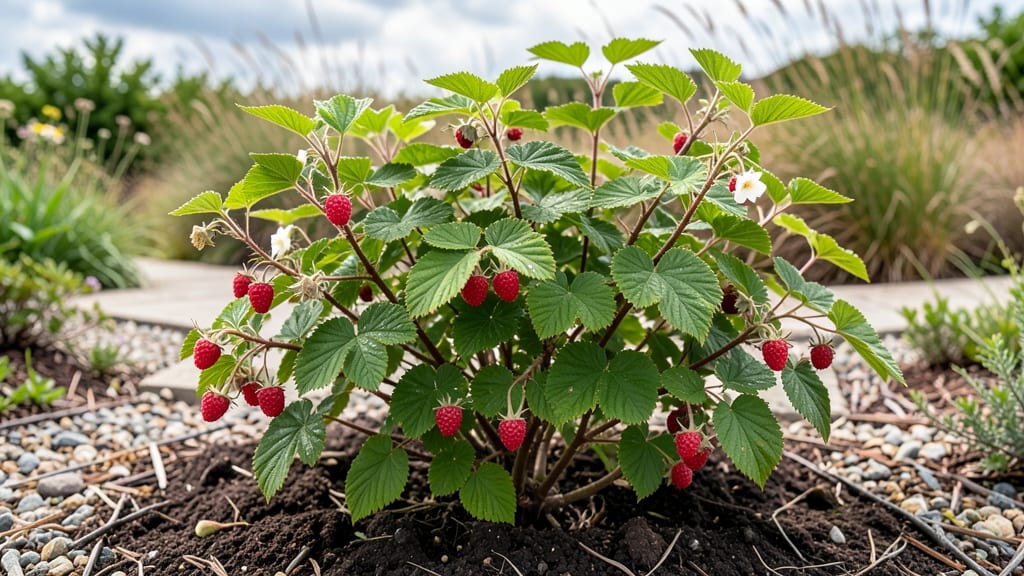
Growing red raspberry leaf plants reveals nature's pharmacy in your backyard. 🌿 The same leaves used in teas and tinctures for centuries grow effortlessly in most climates—just give them sun, space, and a little patience. I’ve cultivated mine for three years now, and the harvest never disappoints.
The secret to success starts with the right variety—heritage red raspberries like 'Boyne' or 'Newburgh' produce the most potent leaves, while thornless types like 'Caroline' make harvesting easier. Plant in well-draining soil with full sun to partial shade, and watch those vibrant leaves emerge within weeks.
Pruning isn’t complicated: cut back old canes in late winter to encourage fresh growth.
By mid-summer, you’ll have enough leaves to dry for teas or infuse in oils—a harvest that keeps giving with minimal effort. The plants spread naturally, creating a lush, productive hedge that doubles as a living remedy. Just avoid overwatering, and you’ll have a thriving medicinal garden in no time.
Works perfectly in backyard beds, containers, or even as a living fence. Once established, these plants require almost no maintenance beyond an annual prune. Let’s get those roots in the ground!
📚 In This Guide
- What you need
- Instructions
- Tips and common mistakes
- Wrapping up and next steps
What you need
- ● Red Raspberry Leaf Cuttings or Seeds: 3–5 healthy Rubus idaeus cuttings (4–6 inches long, with 2–3 leaf nodes)
- ● OR 1–2 packets of organic red raspberry seeds (if starting from scratch)
- ● Potting Soil: 1–2 bags (10–15 lbs each) of well-draining, organic potting mix (avoid garden soil—it can compact)
- ● Containers: 3–5 6-inch diameter pots (for cuttings) OR
- ● 1 5-gallon grow bag or large planter (for seeds)
- ● Fertilizer: 1 bottle of balanced organic fertilizer (e.g., 5-5-5 NPK) or compost tea
- ● Watering Can or Spray Bottle: With a fine mist nozzle (for gentle hydration)
- ● Pruning Shears: Sharp, sterilized shears (for trimming cuttings or harvesting)
- ○ Rooting Hormone (Optional): Speeds up root growth for cuttings
- ● Mulch: Straw or shredded leaves (to retain moisture)
- ● Support Stakes: 3–4 bamboo stakes or trellis wire (for climbing plants, if growing outdoors)
- ● pH Test Kit: Ensures soil pH is 5.5–6.5 (ideal for raspberries)
- ● Grow Lights (Indoor Setup): LED full-spectrum bulbs (12–16 hours/day)
Step-by-Step guide to growing a medicinal red raspberry leaf plant
Here's how to cultivate a thriving red raspberry leaf plant with minimal fuss.
🌱 Step 1: Select the Right Location and Planting Site
Red raspberry leaf plants thrive in full sun to partial shade, with at least 6 hours of direct sunlight daily. Choose a spot with well-draining soil and good air circulation to prevent fungal diseases. I always test the soil pH—aim for a slightly acidic range of 5.5-6.5—because raspberries struggle in alkaline conditions.
If your soil is heavy clay, amend it with 2-3 inches of compost mixed into the top 12 inches of soil. Raspberries have shallow roots, so they need loose, fertile soil to establish quickly. Avoid low-lying areas where cold air settles, as frost can damage young leaves.
🌿 Step 2: Plant Bare-Root or Potted Plants at the Right Time
Plant raspberry leaf cuttings or bare-root plants in early spring, just as new growth begins, or in early fall before the first frost. Dig a hole twice as wide as the root ball but no deeper—raspberries resent being buried too deep. Gently loosen the roots if they're circling in a pot before placing them in the hole.
Space plants 3-4 feet apart in rows 6-8 feet apart to allow for proper air flow and future canes. I like to plant a few extra and remove the weakest ones later—this ensures strong, healthy growth from the start. Water deeply right after planting to settle the soil and eliminate air pockets around the roots.
☀️ Step 3: Provide Consistent Water and Nutrient Support
Water newly planted raspberries 1-2 inches per week, keeping the soil evenly moist but not soggy. Mulch around the base with 2-3 inches of organic mulch (like straw or wood chips) to retain moisture and suppress weeds. Avoid wetting the leaves when watering—this reduces the risk of fungal diseases like rust.
Fertilize in early spring with a balanced 10-10-10 fertilizer or a slow-release organic option. Raspberries are heavy feeders, so I add a second feeding in late spring with a high-nitrogen fertilizer to encourage leafy growth. Watch for yellowing leaves—they often signal a need for more iron or zinc, which you can address with a foliar spray.
✂️ Step 4: Prune and Maintain for Optimal Leaf Production
Prune raspberries in late winter or early spring before new growth begins. Remove any dead, diseased, or weak canes at the base. I also cut back any canes that produced fruit the previous year—they’re done for this season. Leave only the strongest, healthiest canes, which will produce the most leaves for harvesting.
During the growing season, pinch back new growth to encourage bushier plants. This isn’t just about aesthetics—it also improves airflow and reduces the risk of pests. Harvest leaves as needed, but never take more than one-third of the plant’s foliage at once. This ensures the plant stays vigorous and keeps producing new leaves for future harvests.
⏰ Step 5: Prepare for Winter and Encourage Year-Round Growth
In colder climates, protect raspberry plants from harsh winters by mulching heavily with 4-6 inches of straw or leaves. This insulates the roots and prevents heaving. In milder climates, raspberries can be left unprotected, but a light mulch still helps retain moisture and regulate soil temperature.
If you live in a warm winter region, raspberries may grow year-round. Prune lightly in late winter to shape the plant and remove any dead wood. Regularly check for pests like spider mites or aphids—spray with a strong stream of water or use neem oil if needed. A healthy raspberry leaf plant will reward you with abundant foliage for years to come.
Tips & tricks for perfect red raspberry leaf plant cultivation
Want to grow a thriving medicinal raspberry plant that keeps producing year after year? Here are the key insights I've learned from years of growing these hardy plants.
Sunlight Strategy: The 6 hours of direct sunlight mentioned in Step 1 is non-negotiable for strong leaf production, but here's the trick: morning sun is most valuable. Position your plants to receive bright morning light and gentle afternoon shade if possible. This prevents leaf scorch while maximizing photosynthesis. I've noticed plants in full afternoon sun often develop brown tips, even with proper watering.
Soil Preparation Secret: When amending heavy clay soil with 2-3 inches of compost into the top 12 inches, don't just mix it in superficially. Use a broadfork to loosen the soil first, then incorporate the compost. This creates proper root penetration channels that raspberry roots need to establish quickly. I've seen plants in poorly amended clay struggle with root rot despite proper watering.
Pruning Timing Tip: The late winter/early spring pruning in Step 4 is crucial, but timing matters more than you'd think. Wait until you see the first green buds appearing at the base of canes before pruning. This ensures you're not removing potential growth points. I've made the mistake of pruning too early and lost potential leaf production that season.
Winter Protection Hack: For colder climates, the 4-6 inches of mulch recommendation works, but here's my upgrade: I add a layer of bubble wrap or cardboard under the mulch before the first frost. This creates an extra insulating barrier that can mean the difference between winter survival and frost damage. The plants I've protected this way bounce back stronger in spring.
Pro Tips for Red Raspberry Leaf Plant
- Want to grow a thriving medicinal raspberry plant that keeps producing year after year?
- Sunlight Strategy: The 6 hours of direct sunlight mentioned in Step 1 is non-negotiable for strong leaf production, but here's the trick: morning sun is most valuable.
- Soil Preparation Secret: When amending heavy clay soil with 2-3 inches of compost into the top 12 inches, don't just mix it in superficially.
Frequently asked questions
Got questions about growing and using red raspberry leaf? You’re not alone!
Here are answers to the most common queries—from planting tips to harvest timing and beyond.
How long does it take for a red raspberry leaf plant to produce edible leaves?
Red raspberry leaf plants typically take 1–2 years to mature enough for harvesting. In the first year, focus on establishing a strong root system. By the second spring, you’ll see vigorous new growth—perfect for plucking leaves (just avoid over-harvesting to keep the plant healthy!).
When is the best time to harvest red raspberry leaves?
The ideal time to harvest is in early spring (just before flowering) or late summer (after fruiting). Avoid harvesting during frost or extreme heat. For tea blends, pick young, tender leaves for the mildest flavor. Pro tip: Use clean, sharp scissors to snip leaves just above a leaf node—this encourages bushier growth!
Can I grow red raspberry leaf in containers? What size pot do I need?
Yes! Red raspberry leaf thrives in containers if you provide enough space. Aim for a 15–20 gallon pot with drainage holes and rich, well-draining soil. Dwarf varieties (like ‘Boyne’ or ‘Heritage’) are best for pots. Just ensure the container is at least 2–3 feet wide to accommodate root spread and prune regularly to control size.
What should I do if my red raspberry leaf plant gets powdery mildew?
Powdery mildew is common but treatable! Start by pruning infected leaves and improving air circulation around the plant. Spray with a baking soda solution (1 tsp baking soda + 1 quart water + a few drops of dish soap) weekly. For severe cases, use a neem oil fungicide. Prevention tip: Avoid overhead watering and plant in full sun to reduce humidity around foliage.
Are there alternatives to red raspberry leaf for herbal tea?
If you’re looking for similar benefits, try black raspberry leaf (milder flavor), rose hips (vitamin C-rich), or netflix leaf (another uterine tonic). For caffeine-free tea, peppermint or chamomile are great substitutes. Always research alternatives to match your health goals—red raspberry leaf is unique for its high iron and magnesium content!
Wrapping up and next steps
The red raspberry leaf plant is a true gem for both beginners and seasoned gardeners—packed with medicinal benefits and easy to grow! Whether you’re harvesting for tea, tinctures, or simply enjoying its hardy nature, this plant proves that low-maintenance care can yield high rewards. 🌿
Now that you’re armed with the right tools, tips, and answers, why not take the next step? Start your own patch today—your future herbal remedies (and a healthier you!) will thank you. Happy planting! 🌱✨