
Lawn
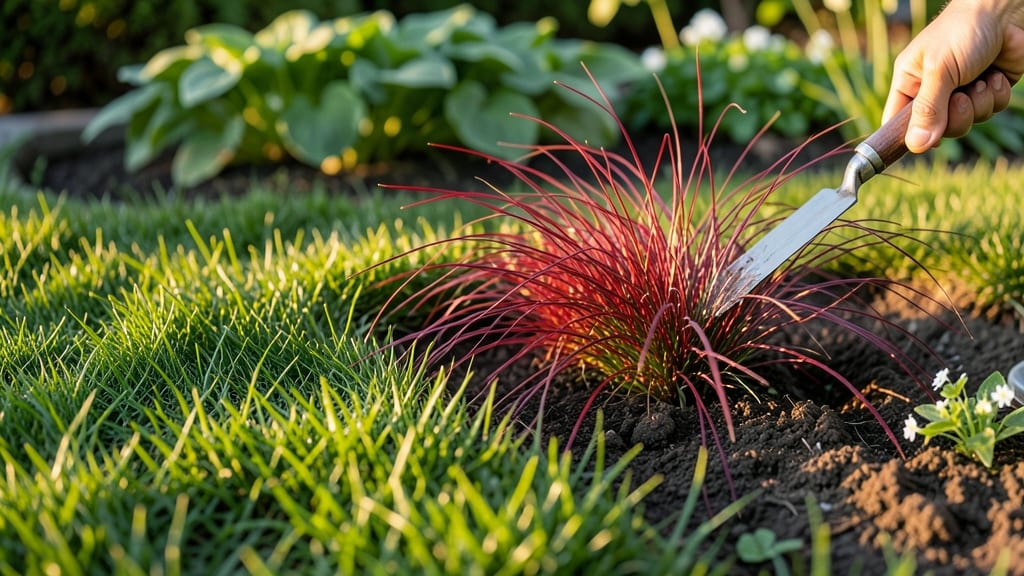
Those stubborn red-leaf weeds creeping into your lawn are more than just an eyesore—they’re stealing nutrients from your grass. 🌱 I’ve spent years battling clover, chickweed, and other pesky invaders, and I’ve cracked the code on how to identify them, pull them out for good, and keep them from coming back without harsh chemicals.
The first step is knowing your enemy: red-leaf weeds like clover have three leaflets, while chickweed sports tiny oval leaves with jagged edges.
Pulling them by hand works best when the soil is soft after rain, but for larger patches, a mix of vinegar-based sprays and corn gluten meal (a natural pre-emergent) does the trick without harming your grass.
By late summer, your lawn will look denser and greener than ever, with weeds struggling to take hold. The secret? Consistent mowing, overseeding with shade-tolerant grass, and applying a thin layer of mulch to smother new sprouts before they start.
Works in full sun or partial shade, and the methods scale from small patches to entire yards. Here’s how to tackle it without breaking the bank or the environment.
Root Causes of Red Leaf Weed
If your lawn is suddenly dotted with patches of red leaf weed (often misidentified as clover or red sorrel), understanding the underlying causes is key to preventing its return. This persistent weed thrives due to a mix of environmental and lawn-care factors.
Below, we break down the most common reasons why it invades your grass—and how to address them.
Red leaf weed (typically Oxalis stricta or Trifolium pratense) flourishes in soil that’s either too compacted, nutrient-deficient, or improperly balanced. Here’s why:
- Low organic matter: Weeds like red leaf weed outcompete grass in thin, sandy, or clay-heavy soils. Grass needs rich, loamy soil to establish deep roots, while weeds adapt to poor conditions.
- Imbalanced pH: Most grasses prefer a pH between 6.0 and 7.0. If your soil is too acidic (<5.5) or alkaline (>7.5), grass struggles to grow, leaving gaps for weeds to fill.
- Compacted soil: Heavy foot traffic, machinery, or clay soil can smother grass roots, reducing its ability to crowd out weeds. Red leaf weed thrives in these low-oxygen zones.
Actionable fix: Conduct a soil test (available at garden centers) and amend with compost or peat moss to improve structure. Aerate compacted lawns in spring or fall to restore airflow.
Grass needs consistent moisture to stay lush and dense, but red leaf weed exploits watering mistakes. Here’s how:
- Frequent light watering: Shallow, daily watering encourages weed seeds to germinate while weakening grass roots. Weeds like red leaf weed germinate quickly in damp soil.
- Drought stress: If your lawn dries out completely, grass goes dormant, creating bare spots where weeds take hold. Red leaf weed is drought-tolerant once established.
- Poor drainage: Areas that stay soggy (like low spots) become prime real estate for weeds, as grass struggles in waterlogged conditions.
Actionable fix: Water deeply 1–1.5 inches per week, early in the morning. Fix drainage issues with sand or gravel, and overseed thin patches to restore grass density.
Red leaf weed often appears in lawns that don’t get enough sunlight. Here’s the science:
- Grass needs 5+ hours of sun daily to photosynthesize and outcompete weeds. Shady spots (under trees or fences) create weak grass, inviting weeds like red leaf weed.
- Partial shade lovers: Some red leaf varieties (e.g., Oxalis) thrive in dappled sunlight, where grass struggles to establish.
Actionable fix: Choose shade-tolerant grass seeds (like fine fescue) for low-light areas. Thin tree canopies or mulch heavily to reduce competition.
Both under and over managing your lawn can trigger red leaf weed growth. Common mistakes include:
- Skipping mowing: Tall grass blocks sunlight, creating a microclimate where weeds germinate. Red leaf weed seeds lie dormant until grass is cut too short or left unchecked.
- Over-fertilizing with weed-and-feed: Some fertilizers contain pre-emergent herbicides that weaken grass over time, leaving it vulnerable to weeds. Red leaf weed often returns after chemical treatments stop.
- Improper mowing height: Cutting grass too short (below 2–3 inches) stresses it, while leaving it too tall smothers it. Weeds exploit both extremes.
Actionable fix: Mow regularly at the right height for your grass type (e.g., 3–4 inches for Kentucky bluegrass). Use organic fertilizers and overseed bare spots in early fall.
By addressing these root causes, you’ll not only eliminate red leaf weed but also create a lawn that naturally resists future invasions. The key? Healthy grass outcompetes weeds.
How to Fix Reddish Invaders Naturally
Discovering red leaf weed creeping into your lush green lawn can feel like a frustrating battle, but the good news is you don’t need harsh chemicals to win.
Whether it’s red sorrel, clover with red-tinged leaves, or other stubborn weeds, these targeted solutions will help you reclaim your yard—naturally and effectively. Below, we’ve mapped out practical fixes based on the root cause, along with prevention tips to keep your lawn weed-free long-term.
For small patches of red leaf weed, manual removal is the simplest and most eco-friendly method. The key? Timing and technique.
- ⏰ Best time to pull: After rainfall or watering (soil is soft) or in early morning (weeds are hydrated and easier to uproot).
- 👨🍳 How to do it:
- Grip the weed close to the base—avoid breaking off the top, which can regrow.
- Use a weed puller or a dandelion digger for stubborn roots (especially for deep-rooted weeds like red sorrel).
- Check for root fragments—even a tiny piece left behind can sprout new growth.
- 🌱 What to do with pulled weeds: Bag them up and toss them in the trash (don’t compost—seeds or root pieces can survive).
Pro tip: 💡 If your lawn has thick red clover, consider mowing it short first—this weakens the plant and makes pulling easier.
For larger infestations, a homemade vinegar spray can kill red leaf weeds without harming your grass (when used correctly).
🔪 DIY Vinegar Weed Killer Recipe
Mix in a spray bottle:
- 1 gallon of white vinegar (20% acetic acid or higher for best results)
- 1 cup of salt (enhances effectiveness)
- 1 tbsp of dish soap (helps the solution stick to leaves)
👨🍳 Application Steps
Follow these steps for maximum impact:
- ⏰ Apply on a sunny day—vinegar works best under direct sunlight.
- 🎯 Spray directly on weeds (avoid spraying grass—vinegar can burn it too). Use a pump sprayer for better coverage.
- 🌡️ Wait 24–48 hours—weeds will turn brown and crispy within a few days.
- 🔄 Reapply if needed—some deep-rooted weeds may require a second treatment.
Pro tip: ✨ For extra tough weeds, use 30% horticultural vinegar (available at garden centers) instead of household vinegar.
Weeds thrive where grass is weak. Strengthening your lawn naturally makes it harder for red leaf weeds to take hold.
💪 Lawn Care Checklist
| Action | How to Do It |
|---|---|
| 🌱 Mow high | Set your mower to 3–4 inches—taller grass shades out weeds and develops deeper roots. |
| 💦 Water deeply but infrequently | Water 1–1.5 inches per week (including rain) to encourage deep grass roots. Shallow watering invites weeds. |
| 🌿 Aerate compacted soil | Rent an aerator or use a garden fork to poke holes in the lawn. This helps grass roots access nutrients and crowds out weeds. |
| 🍽️ Feed with organic fertilizer | Use a slow-release, nitrogen-rich fertilizer (like compost or a natural lawn food) in early spring or fall. |
Pro tip: 🎯 Overseed bare spots in late summer or early fall with a shade-tolerant grass mix (if your yard has shady areas where red clover thrives).
The best way to handle red leaf weeds? Stop them before they start. Here’s how:
- 🌱 Maintain dense grass—Weeds struggle to grow where grass is thick. Overseed thin areas annually.
- 🚫 Avoid over-fertilizing with nitrogen—Too much nitrogen makes grass grow fast but weakens roots, inviting weeds.
- 🌧️ Improve drainage—Red sorrel and other weeds love soggy soil. Amend clay soil with compost or sand if water pools.
- 🌿 Use a pre-emergent herbicide (optional)—If weeds are a recurring issue, apply a corn gluten-based pre-emergent in early spring (it’s organic and blocks weed seeds).
- 🧹 Remove weeds before they seed—Pull or spray weeds before they flower to prevent spreading.
Pro tip: 🔥 Mulch garden beds with wood chips—this suppresses weeds naturally and reduces competition for nutrients.
With these methods, you’ll not only eliminate existing red leaf weeds but also create a lawn that’s resistant to future invasions. Consistency is key—stay vigilant, and your grass will thank you!
Frequently asked questions
What are the most common types of red leaf weeds in grass?
You're likely dealing with either red sorrel (Oxalis stricta) or red clover (Trifolium pratense). Red sorrel has heart-shaped leaves with a reddish tint and produces yellow flowers, while red clover has three leaflets with a distinctive red hue. Both thrive in thin grass areas and partial shade.
Why does vinegar kill weeds but not grass?
Vinegar's high acidity (20-30% acetic acid) burns weed leaves by breaking down their cell walls. Grass has thicker, waxier leaves that better resist the vinegar's effects. Always apply vinegar on sunny days when weeds are actively growing, and avoid spraying grass blades directly.
How often should I pull weeds to prevent regrowth?
Check your lawn weekly during growing seasons (spring-fall) and remove weeds before they flower. For stubborn weeds like red sorrel, pull them when soil is moist (after rain or watering) and check for remaining root fragments. Consistency is key - weeds reproduce quickly when left unchecked.
Can I use corn gluten meal on existing red leaf weeds?
Corn gluten meal works best as a pre-emergent to prevent weed seeds from sprouting, not as a treatment for established weeds. For existing red leaf weeds, use it to strengthen your grass (apply 20 lbs per 1,000 sq ft in early spring) while you manually remove or treat the weeds with vinegar or other methods.
What's the best time of year to tackle red leaf weeds?
Focus on early spring (when weeds are young) and late summer/early fall (when grass recovers quickly). Avoid treating in extreme heat or drought. For shade-loving weeds like red sorrel, late summer is ideal as grass grows more slowly and weeds become more visible.