
Shrubs
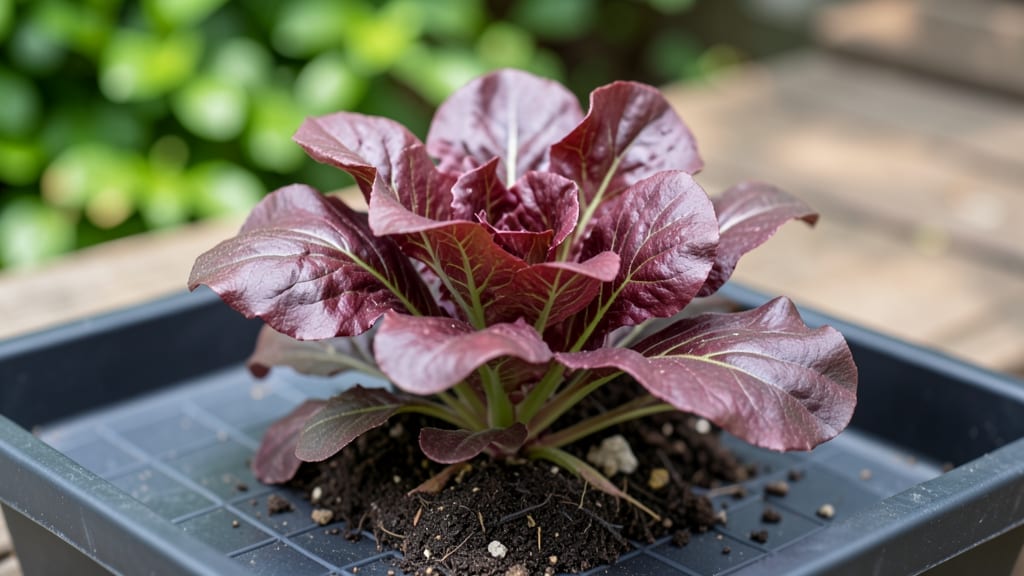
Growing red leaf lettuce seedlings is one of those gardening wins that feels like cheating—vibrant red leaves in just 30 days with almost no fuss. 🌱 I’ve grown enough to fill my kitchen windowsill with crisp, colorful greens that actually taste better than store-bought, and the secret isn’t complicated: it’s all about the right setup from day one.
The key? Starting with fresh seeds, keeping them happy under lights, and avoiding the two biggest mistakes—overwatering and letting them get too crowded.
You’ll need a shallow tray, some well-draining seed-starting mix, and a grow light (or a sunny windowsill). The soil should stay moist but never soggy—think damp sponge, not swamp.
Most people mess up here by either drowning their seeds or letting them dry out, both of which turn your seedlings into sad, spindly sticks. Red leaf lettuce, though, is forgiving once you get the basics right.
Within a week, you’ll see those first tiny leaves pushing through, and by day 21, they’ll be ready to transplant into containers.
What you end up with is a container-friendly harvest that’s packed with flavor and color—perfect for salads, sandwiches, or just snacking straight from the pot. The red leaves stay bright and crisp longer than iceberg, and the plants keep producing for weeks if you harvest the outer leaves first.
Plus, they’re so compact you can grow them on a balcony, windowsill, or even a sunny desk. The only thing better than the taste? Watching them grow.
Here’s where it gets interesting—if you love the look of red foliage, this is just the start. The same techniques work for other red-leaf plants like coleus or swiss chard, and once you master seedlings, you’ll never buy greens again.
Just don’t skip the light; that’s the difference between thriving plants and a sad, leggy mess. Let’s get those seeds going!
📚 In This Guide
- What you need
- Instructions
- Tips and common mistakes
- Wrapping up and next steps
What you need
- ● Red leaf lettuce seeds: 1 packet (about 50-100 seeds, non-GMO preferred for best flavor).
- ● Seed-starting containers: 4-6 biodegradable seed pots (2-3 inches deep) OR
- ● 1 shallow tray with cell inserts (e.g., 72-cell tray) for bulk starting.
- ● High-quality seed-starting mix: 1 bag (sterilized, peat-free or coco coir-based for best drainage).
- ● Grow lights or sunny windowsill: 6-8 hours of bright, indirect light daily (south-facing window or LED grow lights on a timer).
- ● Misting bottle or spray nozzle: For gentle watering without disturbing seeds.
- ● Plant labels: 4-6 labels + marker (to track planting dates).
- ○ Optional but helpful: Heat mat (70-75°F) for faster germination (place under seed trays).
- ● Fertilizer: Fish emulsion (1-2-2) or seaweed extract (diluted to half-strength, applied after sprouting).
- ● Tweezers: For delicate seed placement (if not using a tray).
- ● Humidity dome or plastic wrap: To retain moisture during germination.
- ● Prerequisites: Patience! Red leaf lettuce germinates in 7-14 days (keep soil consistently moist).
- ● Space for thinning seedlings later (or a larger pot for transplanting).
Step-by-step instructions for growing red leaf lettuce seedlings
Here's how to grow crisp, vibrant red leaf lettuce in containers—no garden needed.
🌱 Step 1: Prepare Containers and Soil Mix
Start with 4-inch deep containers (one per seedling) that have drainage holes—red leaf lettuce hates soggy roots. Use a lightweight seed-starting mix (never garden soil) to prevent compaction. I like to mix in 20% perlite for extra drainage and air pockets that tender roots need.
Fill each container to 1 inch below the rim with the mix. Press down lightly so the surface is firm but not packed. You want it stable enough to hold seeds but loose enough for roots to spread. Tap the container gently on the table to settle everything evenly. This ensures seeds stay in place when you water.
🌱 Step 2: Sow Seeds at the Right Depth
Scatter 3-4 seeds per container, spacing them ½ inch apart—lettuce seedlings are delicate and need room to grow. Press them ¼ inch deep into the soil with your finger. Sowing too deep delays germination because the seedling exhausts its energy reaching light.
Cover lightly with a thin layer of additional mix, then mist gently with water until the soil surface looks evenly damp but not glistening. Avoid heavy watering—it can bury seeds too deep or wash them away. I label each container with the date to track growth progress.
☀️ Step 3: Provide Consistent Moisture and Light
Place containers in a spot with bright, indirect light (like a north-facing window) until sprouts appear in 5-7 days. Lettuce seedlings need 12-14 hours of light daily to stay compact and leafy. If your space is dim, add a grow light 4-6 inches above the seedlings.
Water gently every 2-3 days, keeping the soil evenly moist but never soggy. You’ll know moisture is right when the top inch feels damp to the touch. Overwatering causes damping-off, a fungal disease that collapses seedlings overnight. I use a spray bottle to avoid disturbing the soil.
🌿 Step 4: Thin and Fertilize for Strong Growth
Once seedlings reach 2 inches tall (about 10-14 days), thin to the strongest 2 plants per container. Use scissors to snip the weaker seedlings at soil level—this prevents disturbing roots. Red leaf lettuce grows best with space to spread, so leave 4-6 inches between plants if you’re growing multiple in one container.
After thinning, add a balanced liquid fertilizer (like 10-10-10) at half-strength to encourage leafy growth. I fertilize every 2 weeks until harvest. Watch for dark green, crisp leaves—that’s your sign the plants are thriving. If leaves yellow, they need more nitrogen or less water.
⏰ Step 5: Harvest for Fresh Greens in 30 Days
Harvest outer leaves when they reach 3-4 inches long, cutting just above a leaf node to encourage regrowth. This method gives you continuous harvests for months. For baby leaves, snip the entire plant at 2-3 inches tall—they’re perfect for salads and won’t bolt as quickly.
To extend the season, move containers to a shaded spot during hot afternoons. Red leaf lettuce handles light frosts but wilts in temperatures above 80°F. With proper care, you’ll enjoy fresh, peppery greens straight from your containers in just 30 days.
Tips & tricks for perfect red leaf lettuce seedlings
Here's what nobody tells you about growing these vibrant greens—these little tricks make all the difference when you're working with delicate seedlings.
Container Selection: I've learned the hard way that not all containers are created equal. While 4-inch deep pots work, consider using 6-inch containers if you want to grow multiple seedlings together. Just make sure they still have drainage holes—red leaf lettuce roots need air circulation to prevent rot. I've had the best success with plastic nursery pots because they're lightweight and allow me to move seedlings easily when adjusting light exposure.
Soil Temperature Matters: The secret to faster germination is warm soil. Place your containers on a heating mat set to 70-75°F until sprouts appear. This helps seeds break through the soil more quickly, especially in cooler homes. I keep mine running for the first 5-7 days until I see those first green shoots. Once germination starts, you can remove the mat and let the seedlings regulate their own temperature.
Lighting Strategy: Those 12-14 hours of light daily don't have to come from just one source. I supplement my north-facing window with a simple LED grow light on a timer. Position it 4-6 inches above the seedlings and set it to turn on for 4 hours in the morning and 4 hours in the evening. This mimics natural sunlight patterns and prevents those leggy, weak seedlings that stretch toward a single light source.
Harvesting Technique: When harvesting those 3-4 inch leaves, use a sharp pair of kitchen scissors or clean pruning shears. Cut just above a leaf node—this is where new growth emerges. I always harvest in the morning when leaves are most crisp. For baby leaves, snip the entire plant at 2-3 inches tall and let it regrow. You'll be amazed at how quickly those cut leaves regenerate!
Pro Tips for Red Leaf Seedling
- Here's what nobody tells you about growing these vibrant greens—these little tricks make all the difference when you're working with delicate seedlings.
- Container Selection: I've learned the hard way that not all containers are created equal.
- Soil Temperature Matters: The secret to faster germination is warm soil.
Frequently asked questions
How long does it take for red leaf lettuce seedlings to mature?
Red leaf lettuce typically matures in 30–40 days from seed, depending on temperature and growing conditions. If you start seedlings indoors (like in your containers), you’ll harvest leaf lettuce in about 3–4 weeks after transplanting. For full heads, add another 1–2 weeks.
What’s the best temperature for growing red leaf lettuce seedlings?
Seedlings thrive in 60–65°F (15–18°C) during the day and 50–55°F (10–13°C) at night. Avoid heat stress—above 80°F (27°C), lettuce bolts (goes to seed) prematurely. Use shade cloth in hot climates or grow in cooler months for the best results.
Can I grow red leaf lettuce in small containers or just pots?
Red leaf lettuce is container-friendly—it grows well in pots as small as 6 inches deep (with drainage). Use well-draining soil, and space seedlings 6–8 inches apart for leaf varieties. For full heads, opt for 8–12-inch containers.
Why are my red leaf lettuce seedlings turning yellow or wilted?
Yellowing leaves often signal overwatering, nutrient deficiency (like nitrogen), or poor drainage. Wilting can mean underwatering or root stress. Check soil moisture (top inch should be dry), ensure pots have drainage holes, and fertilize lightly with a balanced formula (10-10-10) every 2–3 weeks.
What’s a good alternative if red leaf lettuce bolts too quickly?
If your seedlings bolt (send up flower stalks), try heat-tolerant varieties like Romaine or Buttercrunch. For faster harvests, use loose-leaf mixes (like Oakleaf) or grow in shade. Succession planting (sowing new seeds every 2 weeks) also helps extend your harvest season.
Wrapping up and next steps
Growing red leaf lettuce seedlings in containers is a rewarding journey that delivers crisp, vibrant greens in just 30 days—perfect for urban gardeners or those with limited space! 🌱 With the right materials, patience, and a little care, you’ll enjoy homegrown greens that are fresher and tastier than store-bought.
Whether you’re a beginner or a seasoned gardener, this fast-growing variety proves that fresh produce is always within reach.
Ready to take the next step? Start your seedlings today and watch your container garden thrive! Share your progress with fellow green thumbs or experiment with other quick-growing leafy greens—your kitchen (and taste buds) will thank you. 🌿