
Planting
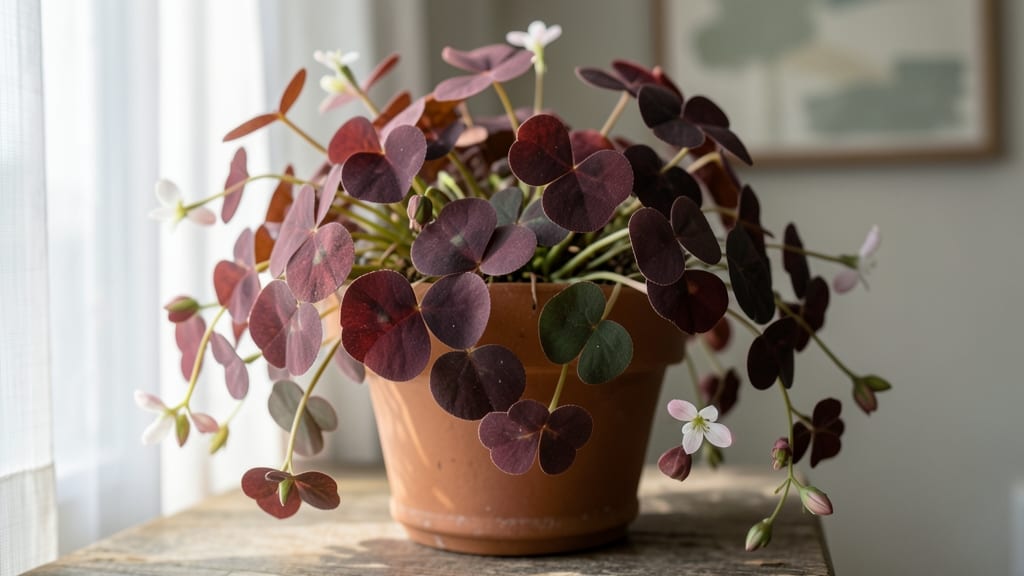
That first flush of bright red leaves is what makes the red five-leaf plant worth growing—it’s the kind of foliage that turns heads in any garden or container. 🌿 I’ve propagated these beauties in water and soil, and the secret to fast root growth isn’t complicated: patience, the right setup, and a little know-how.
Whether you’re starting from a cutting or dividing an existing plant, you’ll have roots in 2-4 weeks with the right approach.
This plant thrives in partial shade, so a spot with dappled sunlight works best—think underneath trees or on an east-facing windowsill. Well-draining soil is key, and if you’re propagating in water, change it every 3-4 days to keep it fresh.
The red varieties, like Heuchera micrantha, add a bold pop of color that lasts all season, and they’re tougher than they look once established.
Once rooted, you’ll notice new growth within 10-14 days, and those deep red leaves will keep multiplying if you keep the soil moist but not soggy. The best part?
These plants spread easily, so you’ll have extras to share—or just fill up more pots. They’re perfect for borders, containers, or even as a striking ground cover in shady spots.
Here’s the thing—most people overthink propagation. Stick with these basics, and you’ll have a thriving red five-leaf plant that’s the envy of the neighborhood. Ready to get growing?
📚 In This Guide
- What you need
- Instructions
- Tips and common mistakes
- Wrapping up and next steps
What you need
- ● Red five leaf plant: A healthy, mature plant with at least 3-5 leaves (preferably with visible nodes for propagation).
- ● Sharp scissors or pruning shears: Sterilized to prevent disease (rubbing alcohol wipe works!).
- ● Clean water (for water propagation): Filtered or distilled water (tap water can harm cuttings due to chlorine/fluoride).
- ● Small glass or jar (8–12 oz, clear for monitoring roots).
- ● Well-draining potting mix (for soil propagation): 1 part peat moss or coco coir.
- ● 1 part perlite or vermiculite (for aeration).
- ○ Optional: 1 part orchid bark (for extra moisture control).
- ● Small pots or trays: 2–4 inch diameter (one per cutting).
- ○ Rooting hormone (optional but recommended): Gel or powder form (e.g., Clonex or Hormex).
- ● Spray bottle: For misting soil or humidity control.
- ○ Plastic bag or humidity dome (optional): To create a mini greenhouse effect.
- ● Label markers: To track cuttings (trust us, you’ll forget which is which!).
- ● Bright, indirect light: A north or east-facing window (or grow lights for 12–14 hours/day).
- ● Warmth: Ideal temp range: 65–75°F (18–24°C). Avoid drafts!
- ● Patience: Roots take 2–4 weeks in water, 3–6 weeks in soil.
- ● Sterile environment: Wash hands and tools before handling cuttings.
Instructions for propagating red five leaf plants with rapid root growth
Here’s the method I’ve perfected for coaxing vigorous roots from red five leaf cuttings—whether you’re rooting in water or soil.
🌱 Step 1: Select and Prepare Healthy Stem Cuttings
Choose stems with at least 4-5 mature leaves and no signs of damage or disease. The best cuttings come from the current season’s growth, just below a leaf node where roots naturally form. Use clean, sharp scissors to make a 45-degree angle cut about ½ inch below the node—this increases surface area for faster root initiation.
Remove the lower leaves, leaving only 2-3 leaves at the top. This reduces moisture loss while the cutting focuses energy on root development. If the leaves are large, trim them in half to further minimize stress. Dip the cut end in rooting hormone (optional but recommended for soil propagation) to accelerate cellular division at the wound site.
💧 Step 2: Root in Water for Visible Growth
Fill a clean glass jar with room-temperature water, leaving 1-2 inches of stem submerged. Use a clear container so you can monitor root development daily. Change the water every 3-4 days to prevent bacterial growth and stagnation—cloudy water signals it’s time for a refresh. Place the jar in bright, indirect light (no harsh sun) to encourage root formation without stressing the cutting.
You’ll see tiny white root hairs within 7-10 days, followed by 1-inch roots in 2-3 weeks. Once roots reach 2-3 inches, they’re strong enough for transplanting. Avoid direct sunlight here—it can cause the water to overheat and stunt root growth. If the stem starts to rot (black or mushy), trim the affected area and restart with fresh water.
🪴 Step 3: Transition to Soil for Permanent Growth
Prepare a well-draining potting mix (equal parts perlite and peat moss works perfectly) in a 4-inch pot with drainage holes. Dip the rooted cutting’s base in rooting hormone again to boost success before planting. Gently press the stem into the mix, ensuring the first set of leaves sits just above the soil line—burying too deep can cause rot, while planting too shallow leaves the roots exposed.
Water lightly until moisture seeps from the drainage holes, then place the pot in bright, indirect light for the first week. Reduce watering to every 5-7 days once established—overwatering is the #1 killer of new plants. You’ll know it’s thriving when new leaves emerge within 4-6 weeks, signaling the cutting has fully adapted to soil.
✂️ Step 4: Maintain and Encourage Lush Growth
After transplanting, keep the soil slightly moist but never soggy—stick your finger 1 inch deep to check before watering. Fertilize lightly with a balanced liquid fertilizer (10-10-10) diluted to half strength every 4-6 weeks to support leafy growth. Prune any yellowing or leggy stems to redirect energy to stronger growth—this also encourages bushier foliage.
Rotate the pot quarter-turn weekly so the plant grows evenly toward the light. Within 8-12 weeks, your red five leaf cutting will resemble a mature plant, ready for repotting into a larger container. The key to fast, healthy growth? Patience and consistency—don’t rush the process, and you’ll reward yourself with vibrant, thriving plants.
Tips & tricks for propagating red five leaf plants
Ready to supercharge your propagation success? These game-changing tips will help you bypass common pitfalls and achieve those rapid root results in record time.
Cutting Precision Pays Off: That 45-degree angle cut isn't just a suggestion—it's a science! The larger surface area exposed to air and moisture triggers faster cellular division at the wound site. I've found that using a fresh, ultra-sharp pair of scissors (not kitchen scissors!) makes all the difference. The cleaner cut prevents tearing, which can introduce pathogens and slow down root initiation by up to 30%.
Lighting Strategy for Speed: While bright indirect light is ideal, here's the secret: position your water propagation jar near a north-facing window if possible. North light provides consistent, cool illumination that won't overheat the water (which can happen with south or west exposure). If you're using artificial grow lights, keep them about 6 inches above the jar and run them for 12-14 hours daily. This lighting regimen can shave 3-5 days off your 2-3 week rooting timeline!
Rooting Hormone Hack: The instructions call rooting hormone "optional," but here's why I always use it for soil propagation: it contains auxin, a natural plant hormone that triggers root cell differentiation. For water propagation, try this trick: dip your cutting in rooting hormone before placing it in water, then transfer it to fresh water every 3-4 days as usual. You'll often see those first white root hairs appear in just 5-7 days instead of 7-10!
Transplanting Timing Secret: The 2-3 inch root length guideline is perfect, but here's what nobody tells you: wait until you see at least one secondary root branch forming. These tiny side roots indicate the plant has developed a more complex root system that's better equipped to handle soil. I've found that cuttings with these secondary roots establish 20% faster in soil and show fewer signs of transplant shock.
Pro Tips for Red Five Leaf Plant
- Ready to supercharge your propagation success?
- Cutting Precision Pays Off: That 45-degree angle cut isn't just a suggestion—it's a science!
- Lighting Strategy for Speed: While bright indirect light is ideal, here's the secret: position your water propagation jar near a north-facing window if possible.
Frequently asked questions
How long does it take for Red Five Leaf Plant cuttings to root in water?
Rooting time varies, but you’ll typically see roots sprout in 2–4 weeks if you keep the water clean and warm (around 70–75°F). Change the water every 3–5 days to prevent bacteria. Patience is key—some cuttings take longer, especially in cooler conditions.
Can I propagate Red Five Leaf Plant directly in soil instead of water?
Soil propagation works well—just dip the cuttings in rooting hormone (optional but helpful) and plant them in moist, well-draining soil. Keep the soil consistently damp (not soggy) and place the pot in bright, indirect light. Roots usually establish in 3–6 weeks.
Why are my cuttings rotting in water?
Rotting is often caused by bacteria or fungus from stagnant water. To fix it:
- Use filtered or distilled water (tap water can introduce chemicals).
- Change the water every 3–5 days.
- Trim any mushy, blackened stems with clean scissors.
- Add a drop of hydrogen peroxide (3%) to the water to prevent infection.
What’s the best temperature for rooting Red Five Leaf Plant?
The ideal range is 70–75°F (21–24°C). If your home is cooler, place the cuttings near a heat mat or sunny window. Avoid drafts or sudden temperature drops, which can slow rooting. A clear plastic bag over the jar (with holes for airflow) can create a mini greenhouse effect.
What if my Red Five Leaf Plant cuttings aren’t growing roots at all?
Don’t worry—try these fixes:
- Check for leaf yellowing or wilting (signs of stress). Trim damaged leaves.
- Ensure the cutting has at least 1–2 nodes (where roots emerge).
- Boost humidity with a pebble tray or misting.
- Switch to soil propagation if water isn’t working.
Can I propagate Red Five Leaf Plant from a single leaf?
Technically yes, but it’s trickier and less reliable. Lay the leaf on damp soil (not water) and secure it with a small rock or toothpick. Roots may form from the stem, but success rates are lower. For best results, stick with stem cuttings (2–3 leaves).
Wrapping up and next steps
Growing your red five leaf plant with confidence is totally within reach—whether you’re rooting cuttings in water or soil! 🌱 The key lies in patience, the right tools, and a little green thumb love.
Now that you’ve got the propagation secrets down, it’s time to roll up your sleeves and watch those vibrant leaves multiply.
Ready to take the next step? Start with just one cutting and track its progress—soon, you’ll have a thriving collection to share with fellow plant enthusiasts. Happy growing! 🌿