
Propagation
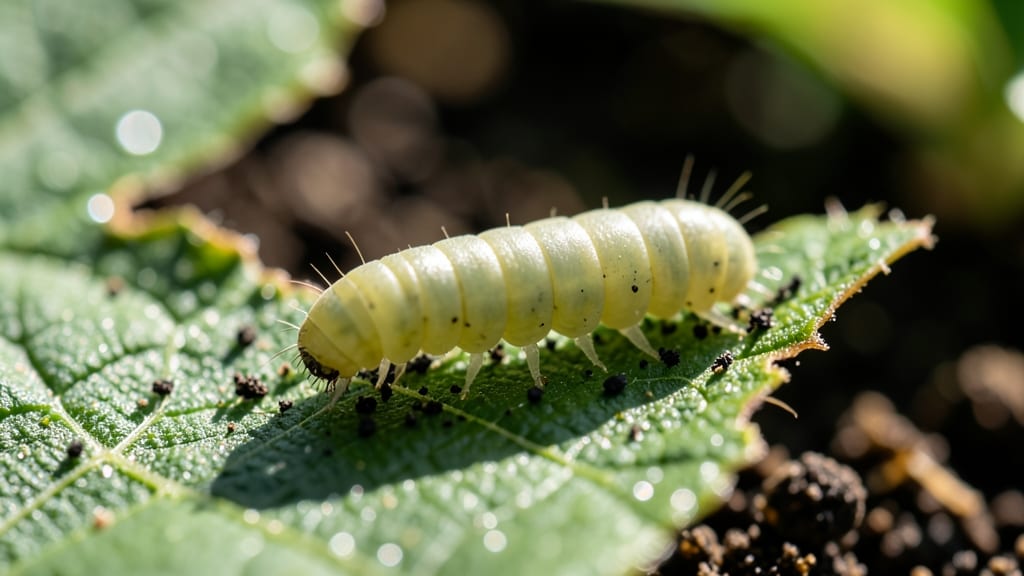
Leaf-cutting insects turn your prized plants into a buffet—🌿 but I’ve learned how to fight back without chemicals. These tiny troublemakers (bees, ants, or caterpillars) chew precise notches into leaves, leaving behind a trail of damage that stunts growth.
The good news? With the right approach, you can protect your garden’s health while keeping pests in check.
Most gardeners panic when they spot these insects, but the key is acting fast. Leafcutter bees collect pieces for nests, while ants and caterpillars create silk tunnels or strip entire sections. The damage might look severe, but pruning affected leaves and introducing natural predators—like ladybugs or lacewings—can restore balance.
My garden thrives now because I stopped treating symptoms and started addressing the root cause.
You’ll learn to spot early signs, use organic deterrents like neem oil, and even turn these pests into allies by encouraging their predators. No more wilting plants or mysterious holes—just strong, healthy foliage that keeps growing. The best part? These solutions work for roses, fruit trees, and houseplants alike.
Whether you’re dealing with a single plant or a full garden, this method keeps your space lush without harsh chemicals. Let’s get your plants back to their full potential—naturally.
The Hidden Drivers Behind Plant Scissorwork
When your prized plants start looking like they’ve been meticulously trimmed by a master gardener—only to reveal a trail of destruction—you’re likely dealing with leaf-cutting insects. These tiny architects don’t just nibble; they harvest leaves with surgical precision.
But why do they behave this way? The answer lies in their survival strategies, environmental cues, and even plant chemistry. Let’s break down the key reasons these insects turn your garden into a construction site.
Most leaf-cutting insects, like Atta (leafcutter ants) and Acromyrmex species, are social creatures living in highly organized colonies. Their behavior isn’t just random—it’s a deliberate survival tactic. Here’s how it works:
- Fungal Farming: These insects don’t eat the leaves directly. Instead, they cultivate a fungus using chewed plant material as a nutrient-rich substrate. The fungus becomes their primary food source, and the leaves are essentially fertilizer for their underground farms.
- Division of Labor: Worker ants specialize in cutting, carrying, and processing leaves. A single colony can harvest up to 17 pounds of leaves per day—enough to sustain thousands of ants and their fungal gardens.
- Chemical Communication: Pheromones guide workers to the best leaf sources. If one ant finds a tender, high-nitrogen leaf, others will follow the scent trail like a GPS system.
Actionable Insight: If you spot straight, precise cuts on leaves (often with tiny ant trails), you’re likely dealing with leafcutter ants. Pro Tip: 🔥 Disrupt their pheromone trails by wiping down affected plants with soapy water—this confuses their foraging routes.
Not all plants are equally appealing to leaf-cutting insects. These pests are chemically savvy and go after plants with:
- High Nitrogen Content: Young, fast-growing plants (like hibiscus, roses, and citrus) are prime targets because their leaves are packed with nitrogen—an essential nutrient for fungal growth.
- Soft, Thin Leaves: Delicate foliage (e.g., fuchsias, impatiens, and begonias) is easier to cut and carry, making them low-effort meals for workers.
- Lack of Defenses: Plants with low tannins or toxic compounds (like oleander or eucalyptus) are often avoided. Leaf-cutters prefer palatable options.
Scientific Note: Some plants, like Lantana, actually repel leafcutter ants due to their bitter compounds. Pro Tip: 🌡️ Plant these as barriers around vulnerable areas to create a natural deterrent zone.
Leaf-cutting insects are opportunistic—they strike when conditions align perfectly. Key environmental factors that encourage their activity include:
| Factor | Why It Matters | Actionable Fix |
|---|---|---|
| Warm, Humid Climates | Ideal for fungal growth and ant activity. Temperatures between 77–95°F (25–35°C) accelerate their metabolism. | 💡 Reduce mulch near plants to lower soil moisture, making it harder for colonies to thrive. |
| High Rainfall | Softens leaves, making them easier to cut, and keeps fungal gardens hydrated. | ✨ Install drainage solutions (like French drains) to keep soil dry. |
| Disturbed Soil | Newly planted areas or freshly tilled gardens attract foraging ants looking for nesting sites. | 🔥 Avoid over-tilling—leafcutters thrive in loose, aerated soil. |
Key Takeaway: If your region experiences hot, wet summers, be extra vigilant during these peak periods. Pro Tip: 🎯 Monitor newly planted areas—they’re high-risk zones for colony establishment.
Understanding these drivers is the first step to outsmarting leaf-cutting insects. Next, we’ll explore how to disrupt their plans before they turn your garden into their personal salad bar.
Practical steps to stop plant damage
Now that you understand why leaf-cutting insects target your plants, it’s time to take action! These pests can be tricky, but with the right strategies, you can protect your garden and even encourage propagation. Below are targeted solutions based on the most common causes—from early detection to long-term prevention.
The sooner you spot signs of leaf-cutting insects (like ragged leaves, silken tunnels, or missing leaf edges), the easier it is to control them.
👉 What to do:
- Inspect plants regularly 🌿—check undersides of leaves, stems, and soil surface for larvae, frass (chewed debris), or silk webbing.
- Look for adult sawflies 🐛 (if present)—they’re fuzzy, winged, and often seen flying near affected plants.
- Shake plants gently over a white tray or paper—larvae or adults may drop, revealing their presence.
💡 Pro Tip: Use a 10x magnifying glass for close-ups, especially on young plants or seedlings where damage is subtle.
For small infestations, hands-on methods can be highly effective without harming your plants or the environment.
🔪 Prune & Remove Damaged Leaves
- Cut off infested leaves 🌱 with clean shears and dispose of them in sealed bags (not compost).
- Focus on new growth—larvae prefer tender leaves, so prune these areas first.
🧽 Handpick Larvae (Yes, Really!)
- Wear gloves and carefully remove larvae from leaves or stems.
- Drop them in soapy water 🧼 to kill them instantly.
- Best time: Early morning when they’re sluggish.
🪟 Use Row Covers or Netting
- Lightweight fine mesh (like agricultural netting) 🛡️ can block adult sawflies from laying eggs.
- Secure edges with soil or weights to prevent gaps.
🪴 Trap Crops & Sacrificial Plants
- Plant strong-smelling herbs (like dill, fennel, or tansy) nearby—some pests prefer these over your prized plants.
- Remove trap plants when heavily infested to redirect pests.
Leaf-cutting insects thrive in moist, sheltered conditions. Adjusting their environment can deter them naturally.
💧 Reduce Overhead Watering
- Water at the base 🌱 (not leaves) to avoid creating damp hiding spots.
- Water early in the day so foliage dries quickly.
🌱 Improve Air Circulation
- Space plants properly to prevent humidity buildup.
- Thin out dense foliage to allow sunlight and airflow.
🌿 Beneficial Nematodes (For Soil Dwellers)
- **Apply Steinernema carpocapsae (a type of microscopic worm) 🐛💥 to the soil—these nematodes seek out and kill larvae.
- Best time: Early evening or cloudy days (they prefer moisture).
If mechanical methods aren’t enough, targeted treatments can help—just use them sparingly to avoid harming beneficial insects.
🍋 Neem Oil Spray (Larvicide & Repellent)
- Mix: 1 tbsp neem oil + 1 tsp mild soap + 1 quart water.
- Spray undersides of leaves 🍃 at dusk (avoids harming bees).
- Reapply every 5–7 days until pests are gone.
🐝 Bacillus thuringiensis var. kurstaki (Btk)
- A bacterial spray 🦠 that targets caterpillar-like larvae (including sawfly larvae).
- Safe for bees when applied correctly—follow label instructions.
🔥 Insecticidal Soap (For Direct Contact)
- Best for: Small larvae or adults on leaf surfaces.
- How to use: Spray directly on pests (not whole plant) to avoid damage.
⚠️ Warning: Avoid broad-spectrum pesticides—they kill pollinators and beneficial insects like ladybugs and lacewings.
The key to permanent control is breaking the pest life cycle before it starts.
🗓️ Seasonal Cleanup
- Fall: Remove all plant debris, mulch, and weeds where larvae may overwinter.
- Spring: Prune dead or weak branches to reduce hiding spots.
🌿 Plant Resistant Varieties
Some plants are less appealing to leaf-cutters. Try:
- Rosemary, lavender, or sage (herbs often avoided).
- Dwarf varieties of susceptible plants (e.g., dwarf roses instead of climbers).
🐝 Encourage Natural Predators
- Ladybugs, lacewings, and parasitic wasps 🐝🦋 eat leaf-cutting larvae.
- Plant companion flowers like dill, yarrow, or alyssum to attract them.
🌍 Rotate Plant Locations
- If possible, move susceptible plants each year to disrupt egg-laying cycles.
Need a fast reference? Here’s a cause-to-solution cheat sheet:
| Cause | Immediate Fix | Long-Term Prevention |
|---|---|---|
| New growth damage | Prune & handpick larvae | Use row covers, plant resistant varieties |
| Silk webbing | Remove affected leaves | Improve airflow, reduce humidity |
| Adult sawflies present | Neem oil spray | Trap crops, beneficial nematodes |
| Overwintering larvae | Deep soil tilling (carefully) | Fall cleanup, mulch management |
| High humidity | Reduce watering, space plants | Drip irrigation, better drainage |
Final Thought: 🌟 Leaf-cutting insects may seem relentless, but with consistent monitoring and a mix of mechanical, biological, and cultural controls, you can minimize damage and even turn their "pruning" into an opportunity for propagation! Start with early detection, then layer in preventive habits**—your garden will thank you.
Frequently asked questions
What are the most common signs of leaf-cutting insects in my garden?
Look for precise, notched edges on leaves—often resembling scissor cuts—especially on young, tender foliage. Check for silk tunnels or frass (chewed debris) along stems. If you see tiny, fuzzy larvae or winged adults (like sawflies), that confirms their presence. Ant trails leading to missing leaf sections are another dead giveaway.
Can leaf-cutting insects harm my plants permanently?
While they won’t kill mature plants, severe infestations can stunt growth by removing too much foliage. Young seedlings or cuttings are most vulnerable—larvae can devour entire leaves, leaving plants weak and susceptible to disease. Act fast by removing damaged leaves and introducing predators like ladybugs to restore balance.
Are there any plants that attract leaf-cutting insects more than others?
Yes! Soft, nitrogen-rich leaves like those on roses, hibiscus, citrus, and fuchsias are prime targets. Leafcutter ants and bees also favor delicate annuals such as impatiens and begonias. To protect vulnerable plants, use row covers or plant repellent herbs like rosemary nearby.
How do I know if it’s leafcutter ants vs. sawfly larvae causing the damage?
Leafcutter ants leave straight, clean cuts and often create visible trails to their nests. Sawfly larvae, however, create silk webbing and leave behind frass (chewed leaf bits). Check for adult sawflies (fuzzy, winged insects) flying near plants—this confirms their presence.
Will neem oil or insecticidal soap really work against leaf-cutting insects?
Neem oil disrupts their life cycle, while insecticidal soap kills larvae on contact. For best results, apply neem oil at dusk (to avoid harming bees) and reapply every 5–7 days. Insecticidal soap works fastest when sprayed directly on pests—just avoid wetting entire plants to prevent damage.