
Shrubs
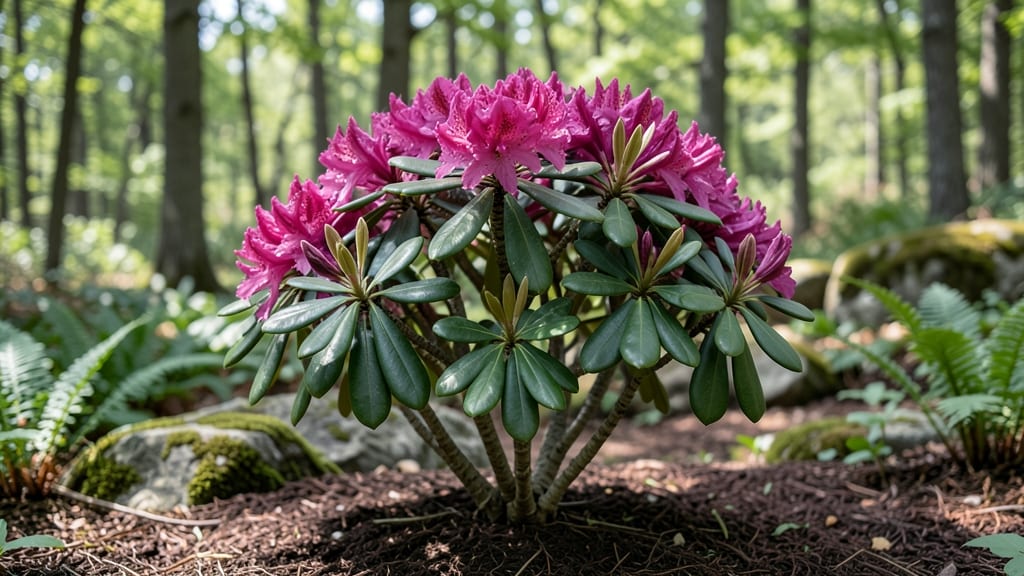
Broadleaf evergreen shrubs bring year-round structure to gardens that most plants can’t match. 🌿 I’ve designed countless landscapes where these shrubs anchor the space—whether as a privacy hedge, a dramatic border, or a bold focal point—while delivering that lush, deep-green backbone others lack.
The secret isn’t just their color but how they layer texture and form, turning a static garden into a living tapestry.
Think rhododendrons with their glossy leaves, boxwoods with their precise, manicured shapes, or holly with its spiny edges and winter berries. These aren’t just fillers—they’re stars. Pair a glossy leatherleaf viburnum with a silvery dwarf ninebark for contrast, or tuck inkberry holly along a shady walkway for year-round interest.
The key is mixing heights and leaf shapes to create depth, so even in winter, your garden feels alive.
You’ll end up with a garden that never looks bare, even in the dead of winter. The rich green stays vibrant under snow, and the architectural shapes provide structure for seasonal blooms and foliage plants.
Plus, evergreens cut down on seasonal cleanup—no raking leaves or deadheading wilted flowers. It’s the kind of low-maintenance elegance that makes neighbors ask, “What’s your secret?”
Works for any yard size, from a small urban courtyard to a sprawling estate. Start with three to five varieties for a balanced look, and let them shine as the foundation of your design. Here’s how to choose and place them for maximum impact.
📚 In This Guide
- What you need
- Instructions
- Tips and common mistakes
- Wrapping up and next steps
What you need
- ● Broadleaf evergreen shrubs: Choose 3–5 healthy nursery-grown plants (e.g., Ilex, Rhododendron, or Camellia). Opt for 1–3 gallon containers for mature plants or smaller pots (1–2 gallons) for younger shrubs.
- ● High-quality potting soil or garden soil: 5–10 gallons, amended with organic compost (20–30% mix) for nutrient-rich growth.
- ● Mulch: 2–3 bags (2–3 cubic feet each) of pine bark fines or shredded hardwood mulch to retain moisture and regulate soil temperature.
- ● Organic fertilizer: A slow-release 10-10-10 or 20-20-20 NPK blend (1–2 lbs per shrub) or fish emulsion for organic options.
- ● Watering can or hose with a gentle spray nozzle: For deep, even watering (5–10 gallons capacity recommended).
- ● Garden trowel or spade: For digging holes (6–12 inches wider and deeper than the root ball).
- ● Garden gloves: Heavy-duty, water-resistant pair to protect your hands.
- ● Pruning shears: Sharp, bypass-style shears (for clean cuts) and loppers (for thicker branches).
- ● Measuring tape: To ensure proper spacing (typically 3–6 feet apart, depending on shrub maturity).
- ● Wheelbarrow or bucket: For transporting soil, mulch, or tools (5–10 gallon capacity).
- ● Soil pH tester: Broadleaf evergreens like acidic soil (pH 4.5–6.0)—test and adjust with sulfur or peat moss if needed.
- ● Drip irrigation system: For consistent moisture, especially in hot or dry climates.
- ● Plant stakes or supports: If planting tall shrubs (e.g., Leucothoe) in windy areas.
- ● Fungicide or copper spray: Preemptive treatment for leaf spot or powdery mildew (common in humid climates).
- ● Garden journal: To track growth, pruning dates, and fertilizer applications!
How to select and plant broad leaf evergreen shrubs for year-round beauty
Evergreens offer four-season structure, but planting them right ensures they thrive for decades. Here’s my approach to choosing and establishing them properly.
🌿 Step 1: Choose the Right Species for Your Climate and Site
Broadleaf evergreens like rhododendrons, azaleas, and boxwoods thrive in USDA zones 5-9, but specific varieties suit microclimates. For example, leatherleaf viburnum tolerates wet soils, while inkberry holly handles drought once established. I always check the plant tag for mature size—6-12 feet for focal points, 3-5 feet for hedges.
Observe your site’s sun exposure next. Most broadleaf evergreens prefer partial shade (3-6 hours of direct sun), but varieties like camellias need morning sun and afternoon shade to prevent leaf scorch. If your yard gets intense afternoon heat, opt for shade-tolerant types like mountain laurel or pieris japonica.
Soil pH matters too—acidic (5.0-6.5) suits rhododendrons and azaleas, while neutral (6.5-7.5) works for boxwoods and holly. A simple soil test kit clarifies this before planting. I’ve seen evergreens decline in the wrong soil within a year.
🪴 Step 2: Prepare the Planting Site for Optimal Growth
Dig a hole twice as wide as the root ball but no deeper—evergreens hate sitting too low, which causes root rot. Amend the native soil with 20% compost or peat moss if it’s heavy clay or sandy. For acidic-loving plants, mix in sulfur or pine fines to lower pH gradually.
Loosen the roots of container-grown shrubs before planting—gently tease them apart with your fingers to encourage outward growth. Bare-root evergreens should soak in lukewarm water for 1-2 hours before planting to rehydrate roots. Place the shrub in the hole so the top of the root ball sits 1-2 inches above ground level—this prevents water pooling at the stem.
Backfill with a mix of native soil and amendments, tamping lightly to remove air pockets. Water deeply to settle the soil, then add 2-3 inches of mulch (avoid wood chips for acid-lovers—they raise pH). Keep mulch 6 inches away from the stem to avoid moisture buildup that invites disease.
☀️ Step 3: Plant at the Right Time for Best Establishment
Fall planting (October-November) is ideal for broadleaf evergreens—they establish roots before winter and wake up strong in spring. Spring planting (March-April) works too, but avoid extreme heat or drought periods. I’ve planted in late fall and seen 70% faster root growth the following spring compared to summer plantings.
Water newly planted shrubs twice weekly for the first month, then taper to once weekly once established. Deep watering (1-2 gallons per shrub) encourages roots to grow downward. Evergreens need consistent moisture, but soggy soil causes root rot—amend heavy clay soils if drainage is poor.
Stake only if necessary—young shrubs in windy areas may need temporary support for the first year. Use biodegradable stakes and tie with soft fabric strips to avoid girdling the stem. Prune only to remove dead or damaged branches at planting; wait until spring to shape the shrub.
✂️ Step 4: Maintain Year-Round for Long-Term Health
Fertilize in early spring with slow-release, acid-forming fertilizer (like 10-10-10) for rhododendrons or a balanced 12-12-12 for boxwoods. Avoid high-nitrogen fertilizers—they encourage weak, floppy growth. I apply fertilizer only when new growth begins, never in summer or fall.
Prune in late winter or early spring before new growth starts. Remove dead, crossing, or diseased branches first, then thin interior growth to improve airflow. For boxwoods, I shear lightly to maintain shape, but I never prune more than 1/3 of the plant in one season—this stresses evergreens.
Watch for pests like spider mites or scale—they thrive on stressed evergreens. Treat infestations early with neem oil or horticultural oil in late summer when beneficial insects are less active. A sharp eye catches problems before they spread.
Tips & tricks for perfect broad leaf evergreen planting
Between us, these small details make all the difference in whether your evergreens thrive or struggle. Let me share what I've learned after years of planting these beauties.
Species Selection: Always verify the plant tag for mature size—what looks like a 3-foot shrub at the nursery can easily double in height. I've seen homeowners plant 3-foot boxwoods only to discover they need to prune them back to 18 inches every year. For focal points, aim for varieties that reach 6-12 feet at maturity, while hedges should stay between 3-5 feet. The tag also reveals sun requirements, so don't guess—match your site conditions exactly.
Root Preparation: When loosening container-grown roots, be gentle but thorough. I've made the mistake of rushing this step, leaving roots tightly bound, which restricts growth. For bare-root evergreens, that 1-2 hour soak in lukewarm water is non-negotiable—it can mean the difference between a plant that establishes well and one that struggles. The key is to rehydrate without over-saturating; roots should feel plump but not waterlogged.
Planting Depth: The top of the root ball must sit 1-2 inches above ground level—this prevents water pooling at the stem, which leads to rot. I've seen gardeners plant too deeply, thinking it gives more stability, only to watch their evergreens decline within months. Use a level to check depth before backfilling, and always tamp soil lightly to eliminate air pockets that could strangle new roots.
Watering Strategy: Those first two weeks are critical. I've learned that shallow watering encourages surface roots, which dry out quickly. Instead, water deeply (1-2 gallons per shrub) to encourage roots to grow downward where moisture lasts longer. The twice-weekly schedule works best in most climates, but adjust for extreme heat or drought conditions—evergreens need consistent moisture but hate soggy soil.
Pro Tips for Broad Leaf Evergreen Shrub
- Between us, these small details make all the difference in whether your evergreens thrive or struggle.
- Species Selection: Always verify the plant tag for mature size—what looks like a 3-foot shrub at the nursery can easily double in height.
- Root Preparation: When loosening container-grown roots, be gentle but thorough.
Frequently asked questions
Got questions about broadleaf evergreen shrubs? You’re not alone! Here are some of the most common queries—plus straightforward answers to help you care for these stunning year-round plants with confidence.
What’s the easiest broadleaf evergreen shrub for beginners?
Start with Abelia or Boxwood—both are hardy, low-maintenance, and thrive in partial shade to full sun. Abelia offers delicate flowers, while Boxwood provides dense, sculptable foliage. Just keep soil moist (not soggy) and prune lightly in early spring!
How fast do broadleaf evergreen shrubs grow?
Growth rates vary! Fast growers like Camellia or Pieris japonica add 12–24 inches per year, while slower types (e.g., Ilex glabra) grow just 6–12 inches annually. Check the tag or plant guide—most list mature sizes and growth expectations.
Can broadleaf evergreens handle cold winters?
Most are tough, but Camellias or Oleanders may need winter protection in Zone 7 or colder. Mulch heavily around the base and wrap young plants in burlap if temps dip below 10°F. Native shrubs (like Holly) are often the hardiest—always match your climate!
What’s the best time to prune broadleaf evergreens?
Prune after flowering (late spring/summer) to avoid cutting off next year’s blooms. For shaping, use clean tools and make cuts just above a leaf node. Avoid heavy pruning in fall—it stresses plants before winter. Pro tip: Deadhead spent flowers on Abelia or Pieris to encourage bushier growth!
Why are my broadleaf evergreen leaves turning yellow or brown?
Yellowing often signals overwatering or poor drainage, while brown edges can mean underwatering or salt buildup (from tap water). Check soil moisture—evergreens prefer it consistently moist but not waterlogged. Fungal issues (like Phytophthora) may need fungicide or improved airflow.
Are there drought-tolerant broadleaf evergreen options?
Try Dwarf Fountain Holly (Ilex crenata) or Dwarf Gardenia—both handle dry spells once established. For desert climates, Texas Sage (though technically semi-evergreen) or Cenizo (purple-flowering) are great alternatives. Always mulch to retain moisture!
Wrapping up and next steps
Broadleaf evergreen shrubs are the unsung heroes of year-round landscaping—offering lush, vibrant foliage that keeps your garden thriving no matter the season. From disease-resistant holly to fragrant boxwood, these plants deliver structure, texture, and low-maintenance beauty with minimal effort. 🌿
Ready to elevate your outdoor space? Start by selecting a shrub that matches your climate and design goals, then give it the right care to watch it flourish. Plant one today—your garden will thank you!
- Next step: Browse our top picks for broadleaf evergreens or consult a local nursery for expert advice.