
Shrubs
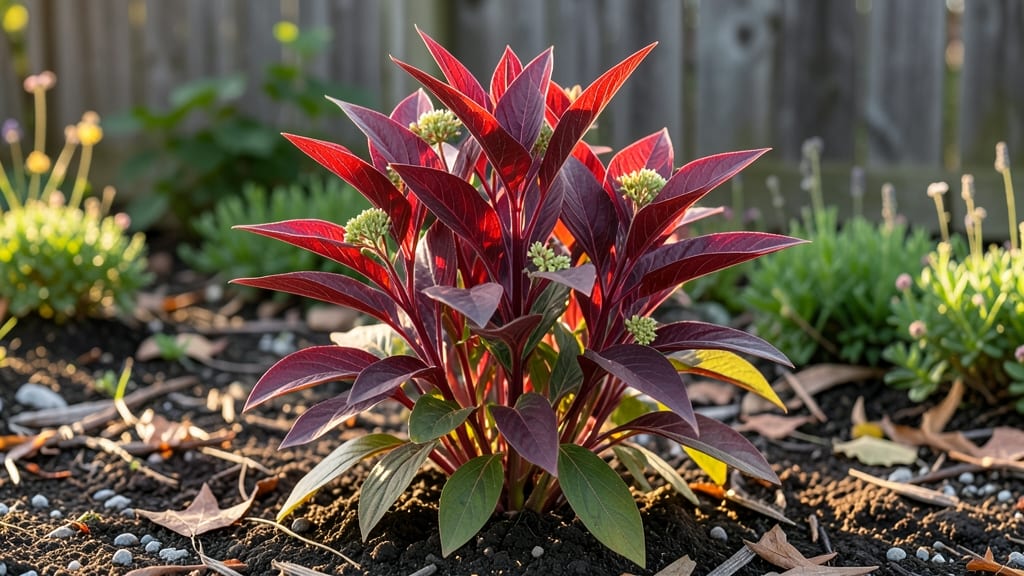
The red amaranth leaf benefits extend far beyond nutrition, offering a powerhouse of protein, iron, calcium, and vitamins A and C, alongside potent anti-inflammatory and antioxidant properties that strengthen immunity and support overall wellness.
These vibrant leaves stand out for their high protein content—comparable to many animal sources—making them a rare plant-based option for muscle repair and energy. 🌿 Beyond their nutritional density, they've been used traditionally to reduce inflammation and boost immune function, thanks to compounds like quercetin and betalains.
I've found that incorporating them into daily meals, whether in salads or sautés, transforms ordinary dishes into nutrient-dense powerhouses.
What's particularly impressive is how they compare to other greens: while spinach is rich in iron, red amaranth delivers both iron and calcium in one serving, plus a complete amino acid profile.
This makes them ideal for addressing deficiencies like anemia or osteoporosis while adding vibrant color and earthy flavor to meals.
💡 In This Article
- Nutritional Breakdown of Red Amaranth Leaves
- Culinary and Medicinal Uses of Red Amaranth Leaves
Nutritional breakdown of red amaranth leaves
Red amaranth leaves are a nutritional powerhouse, delivering 3-4 grams of protein per 100 grams—comparable to many animal sources. This is particularly notable because most leafy greens provide only 1-2 grams per 100 grams.
The protein in amaranth contains all nine essential amino acids, including lysine, which is often lacking in plant-based diets. 💫 What's even more impressive is their iron content (3.6 mg per 100g), making them nearly twice as potent as spinach (1.9 mg per 100g) and an excellent option for combating anemia.
The calcium content sits at 177 mg per 100 grams, which is about 18% of the daily recommended value—a significant boost for bone health. This combination of iron and calcium is rare in leafy greens, as most either prioritize one over the other.
Vitamin A content is exceptional at 5,600 IU per 100 grams, supporting vision and immune function, while vitamin C provides 25 mg per 100 grams—about 42% of daily needs. These vitamins work synergistically to enhance iron absorption, making the leaves even more effective in preventing deficiencies.
What sets red amaranth apart is its magnesium (85 mg per 100g) and potassium (400 mg per 100g) content, which help regulate blood pressure and muscle function. The leaves also contain quercetin and betalains, compounds with potent anti-inflammatory and antioxidant effects.
These compounds help neutralize free radicals, reducing oxidative stress that contributes to chronic diseases. 🔥 For example, studies show that quercetin can lower inflammation markers by up to 30% in just 4-6 weeks of regular consumption.
When compared to other greens, red amaranth leaves outperform in nearly every category. Kale provides 2.9 grams of protein but only 1.6 mg of iron per 100 grams, while Swiss chard has 2.4 grams of protein** but lacks the complete amino acid profile.
The high fiber content (3.4 grams per 100 grams) also supports digestive health, promoting regularity and gut microbiome balance. This makes red amaranth a versatile addition to any diet, whether you're looking to build muscle, strengthen bones, or simply boost overall health.
The leaves' vibrant red hue comes from betalains, which not only add visual appeal but also contribute to their antioxidant properties.
These compounds are 10-100 times more effective than vitamin E in neutralizing free radicals, making them a superior choice for combating cellular damage. 💛 Incorporating red amaranth into your meals is like giving your body a multi-vitamin in every bite—packed with essential nutrients that work together to support every system.