
Pests and Diseases
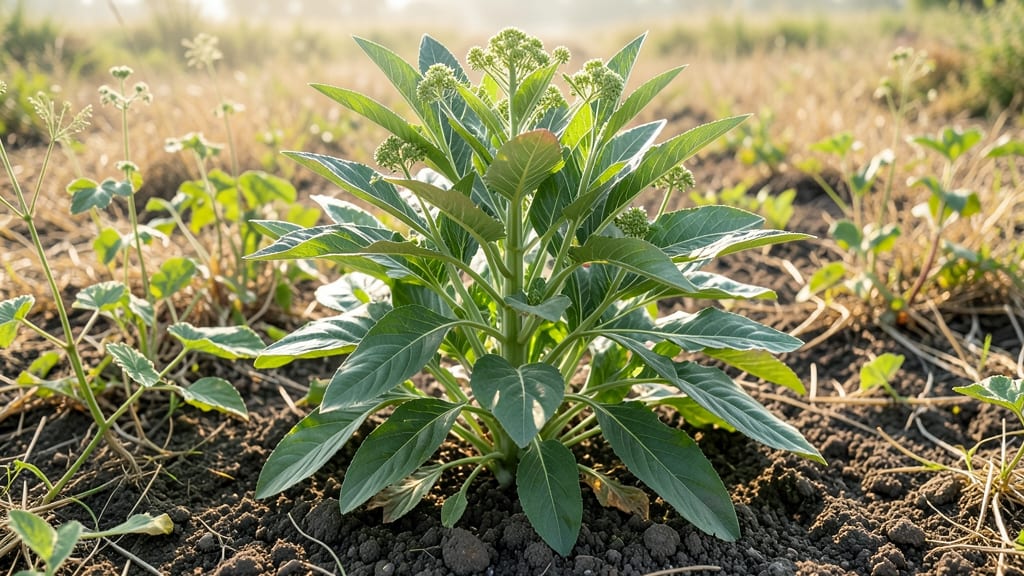
The palmer amaranth leaf delivers a bold, earthy flavor with a subtle bitterness similar to spinach, paired with a tender texture when cooked properly. Incorporate them into quick stir-fries, hearty soups, or sautéed dishes for a nutrient-rich greens alternative.
The palmer amaranth leaf stands out as a versatile superfood with exceptional nutritional density.
It packs more iron and calcium than spinach, along with high levels of vitamin C and antioxidants, making it a powerhouse for immune support and bone health. 🌱 Unlike common greens, these leaves thrive in hot climates, offering a sustainable option for home gardens.
Their unique flavor profile—earthy yet slightly bitter—pairs beautifully with garlic, ginger, and sesame oil in Asian-inspired dishes, elevating simple recipes into flavorful meals.
Harvesting at the right time ensures peak flavor and texture. Aim for leaves 6-8 inches long when the plant is mature but before flowering begins. After washing thoroughly, trim tough stems and wilt the leaves for 10 minutes to remove excess moisture before cooking.
This prep step is key to achieving that perfect tender bite in stir-fries or sautéed dishes.
💡 In This Article
- Why Palmer Amaranth Leaves Are a Nutrient Powerhouse
- Harvesting and Preparing Palmer Amaranth for Cooking
Why Palmer amaranth leaves are a nutrient powerhouse
Palmer amaranth leaves contain 3-4 times more calcium than spinach and 50% more iron per 100g, making them a standout for bone health and blood oxygenation. Their vitamin C content (15mg per 100g) rivals citrus fruits, while their antioxidant levels—particularly quercetin and kaempferol—help combat oxidative stress.
The leaves also provide 2.5g of fiber per serving, supporting digestion better than kale (which has only 1.8g).
What sets them apart is their sustainability factor. Unlike spinach or kale, Palmer amaranth thrives in hot, dry climates with minimal water, making it ideal for drought-prone regions. The plant grows aggressively, reaching 6-8 feet tall in just 90-120 days, producing continuous harvests without replanting.
This hardiness means home gardeners can enjoy fresh greens year-round in suitable climates.
The flavor chemistry behind their earthy profile comes from compounds like thiamin and riboflavin, which develop during cooking. When sautéed, these nutrients become more bioavailable, enhancing absorption. The slight bitterness actually indicates high levels of glucosinolates, which have been linked to cancer-preventive properties in studies.
For practical comparison, here's how Palmer amaranth stacks up against common greens per 100g serving:
- Calcium: Palmer amaranth 250mg vs. spinach 99mg or kale 150mg
- Iron: Palmer amaranth 3.2mg vs. spinach 2.7mg or kale 1.2mg
- Vitamin C: Palmer amaranth 15mg vs. spinach 28mg (though Palmer retains more when cooked)
- Antioxidants: Palmer amaranth scores 12,000 ORAC units vs. kale's 1,770 units
The leaves' high magnesium content (80mg per 100g) also makes them excellent for muscle function and stress reduction. Unlike many greens that lose nutrients when cooked, Palmer amaranth actually becomes more digestible while retaining most of its minerals when wilted or sautéed for 3-5 minutes.