
Flowers
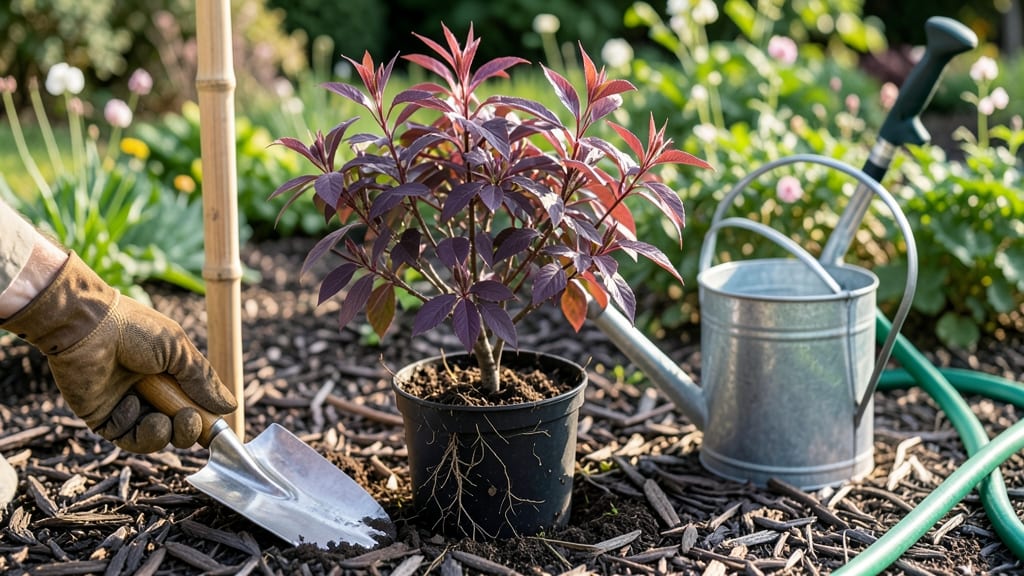
Planting a purple leaf sand cherry brings dramatic color and edible fruit to your garden—its deep purple foliage turns heads, while the tiny cherries taste like candy. 🌿 I’ve grown mine for three seasons, and the contrast with its spring white blossoms never fails to impress neighbors (and my Instagram followers).
This tree thrives in full sun to partial shade and well-draining soil, making it perfect for small yards or as a striking focal point. The key is planting in early spring or fall when roots can establish before extreme temperatures. My first mistake?
Skipping the soil test—turns out, this cherry hates soggy feet. Once planted, keep the soil moist but not soggy for the first year, then let nature take over.
By summer, you’ll have a tree that’s as productive as it is pretty—small, sweet cherries ripen in late summer, and the foliage stays vibrant until frost. Works in USDA zones 4-8, so whether you’re in a cold northern climate or a mild southern one, this tree delivers year-round interest.
Here’s how to get started right.
📚 In This Guide
- What you need
- Instructions
- Tips and common mistakes
- Wrapping up and next steps
What you need
- ● Purple leaf sand cherry plants: 1–3 bare-root or container-grown plants (depending on desired size). Choose Prunus x cistena or Prunus fruticosa 'Kelseyi' for best results.
- ● Well-draining soil: A mix of native soil, compost (20–30%), and coarse sand or perlite (10–20%) for optimal aeration.
- ● Organic mulch: 2–3 inches of wood chips, straw, or shredded bark to retain moisture and suppress weeds.
- ● Fertilizer: A balanced, slow-release fertilizer (10-10-10 or 20-20-20) applied at planting and again in early spring.
- ● Watering can or hose with a gentle spray nozzle: For deep, consistent watering.
- ● Gloves and pruning shears: Sterilized shears for trimming dead or overgrown branches.
- ○ Stakes (optional but helpful): 3–4 wooden or bamboo stakes (6–12 inches tall) and soft twine for young, flexible plants.
- ● Soil pH tester: Purple leaf sand cherries thrive in slightly acidic to neutral soil (pH 6.0–7.0). Adjust with lime or sulfur if needed.
- ● Drip irrigation system: For automated, efficient watering during dry spells.
- ● Epsom salt: A sprinkle in early spring can boost magnesium for vibrant foliage.
- ● Bird netting: If you’re growing for fruit, protect ripening cherries from hungry birds!
Step-by-Step guide to planting purple leaf sand cherry trees
Here's how to plant these stunning trees for vibrant foliage and delicious fruit—tested in my own yard.
🌱 Step 1: Choose and Prepare the Planting Site
Purple leaf sand cherries thrive in full sun with at least 6-8 hours of direct light daily. Pick a location with well-draining soil—they hate soggy roots. I dig a hole twice as wide as the root ball but only as deep, since planting too deep smothers the tree. Amend heavy clay soil with a 2-inch layer of compost mixed into the bottom of the hole.
For best results, space trees 15-20 feet apart to allow airflow and prevent disease. If planting near a fence or wall, leave extra space—their branches grow wide. Tap the sides of the hole gently to remove air pockets before adding your tree.
🪴 Step 2: Remove the Tree from Its Container and Inspect Roots
Gently squeeze the sides of the container to loosen the root ball, then slide the tree out while supporting the root base. Spread the roots outward slightly—if they're circling, make 2-3 vertical cuts with clean pruners to encourage outward growth. This prevents girdling as the tree matures.
Check for any signs of root rot or pests. Healthy roots should be white or tan, not brown or mushy. If you see damage, trim affected areas with sterilized pruners before planting. This is the moment to make sure your tree starts strong.
☀️ Step 3: Position and Backfill the Tree
Place the tree in the hole so the top of the root ball sits 2-3 inches above the surrounding soil level. This prevents water from pooling at the base. Fill the hole halfway with native soil, pressing gently to remove air pockets. I like to add a handful of slow-release fertilizer mixed into the backfill for a growth boost.
Continue filling until the hole is nearly full, then water deeply to settle the soil. The final step is to add a 2-inch layer of mulch around the base, keeping it 3 inches away from the trunk to prevent rot. Water again until the soil is moist 6 inches down—this ensures roots establish quickly.
💧 Step 4: Water and Support for the First Growing Season
Water your new purple leaf sand cherry 2-3 times weekly for the first month, then taper to once weekly once established. You'll know it's getting enough water when the soil feels damp 4 inches down. Too much water causes root rot, while too little stresses the tree.
Install a stake and tie the trunk loosely with soft fabric to prevent wind damage. Avoid tight ties—they can girdle the trunk as the tree grows. Prune any broken or crossing branches now to encourage a strong structure. This sets the stage for years of bold foliage and sweet fruit.
Tips & tricks for perfect purple leaf sand cherry planting
Here's what nobody tells you about planting these showstoppers—lessons learned from my own yard experiments.
Sunlight Secret: That 6-8 hours of sunlight is non-negotiable, but here's the thing: morning sun is more important than afternoon. If your yard gets intense afternoon sun, consider planting near a western fence where the afternoon heat won't bake the roots. I've seen trees planted in full western sun struggle with heat stress during their first summer.
Root Inspection is Non-Negotiable: In Step 2, when you're checking those roots, pay special attention to any dark, stringy roots—those are a red flag for root rot. I once planted a tree with compromised roots and it took three years to recover. Sterilize your pruners with rubbing alcohol between cuts to prevent spreading any potential pathogens from one root to another.
Mulch Placement Matters: That 2-inch layer of mulch in Step 3 isn't just decoration—it's a critical insulator. But here's the catch: keep it 3 inches away from the trunk to prevent rot. I see this mistake all the time, and it can actually kill your tree by creating a wet, anaerobic environment right at the base. Use coarse wood chips rather than fine mulch to allow better airflow.
Watering Wisdom: The 2-3 times weekly watering in Step 4 is perfect, but timing matters just as much as frequency. Water in the early morning so the foliage has time to dry before evening. I've noticed my trees develop fewer fungal issues when watered this way, and the roots establish more quickly because they're not competing with surface evaporation.
Pro Tips for Purple Leaf Sand Cherry Planting
- Here's what nobody tells you about planting these showstoppers—lessons learned from my own yard experiments.
- Sunlight Secret: That 6-8 hours of sunlight is non-negotiable, but here's the thing: morning sun is more important than afternoon.
- Root Inspection is Non-Negotiable: In Step 2, when you're checking those roots, pay special attention to any dark, stringy roots—those are a red flag for root rot.
Frequently asked questions
Got questions about growing purple leaf sand cherries?
You’re not alone! Here are answers to the most common queries—from planting tips to troubleshooting—so you can enjoy vibrant foliage and sweet harvests with confidence.
When is the best time to plant purple leaf sand cherries?
Plant in early spring (after the last frost) or fall (6–8 weeks before the first frost). This gives roots time to establish before extreme temperatures. Avoid planting in summer heat, which can stress young plants. Choose a day with overcast skies or light rain to reduce transplant shock.
How cold-hardy are purple leaf sand cherries?
These cherries thrive in USDA Zones 3–7, making them perfect for northern climates. They tolerate light frosts even after flowering, but late spring frosts can damage blossoms. If you’re in Zone 7 or warmer, opt for a cold-hardy cultivar like ‘Montmorency’ or ‘Meteor’ for better resilience.
Can I grow purple leaf sand cherries in containers?
Yes! Use a large pot (at least 18–24 inches wide) with drainage holes and well-draining soil. Containers dry out faster, so water daily in summer and fertilize monthly. Just note: container-grown trees may produce smaller fruit yields than in-ground plants.
What pests or diseases should I watch for?
Common issues include:
- Japanese beetles (chew leaves—use neem oil or traps).
- Cherry fruit flies (lay eggs in fruit—remove fallen fruit promptly).
- Powdery mildew (white fungus on leaves—improve airflow and spray fungicide if needed).
Why aren’t my purple leaf sand cherries fruiting?
Possible reasons:
- Young trees (3–5 years old) may not produce fruit yet.
- Insufficient pollination—plant two varieties nearby.
- Poor soil fertility (test soil and amend with compost).
- Extreme weather stress (drought, frost, or heat).
Wrapping up and next steps
Planting purple leaf sand cherry is a fantastic way to add year-round beauty to your garden—from vibrant foliage to sweet, edible fruit! Whether you're drawn to its striking colors or the promise of a summer harvest, this versatile shrub delivers easy care, low maintenance, and high rewards. 🌿✨
Ready to transform your outdoor space? Start by gathering your supplies, then dig in and enjoy the process! With the right location and a little TLC, your purple leaf sand cherry will thrive for years—bringing bold hues and delicious treats to your table.
Now, take the next step: sketch a planting plan, mark your spot, and get ready to watch your garden bloom with stunning foliage and sweet surprises!