
Planting
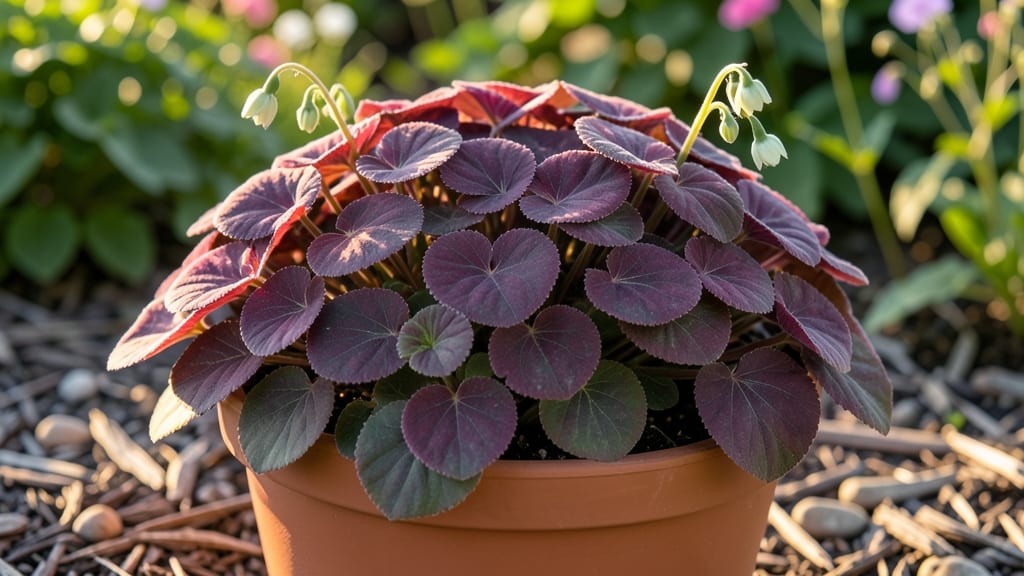
Your containers just got a showstopper—purple leaf plants bring vibrant coppery foliage that outshines any green. 🌿 I’ve grown these perennials for years, and the secret to their bold color lies in the right mix of light, soil, and a little pruning know-how.
These plants aren’t just pretty; they’re tough, thriving in pots where others struggle.
Start with well-draining soil (mix in perlite or sand) and place them in morning sun with afternoon shade—too much direct sun scorches those stunning leaves. Water when the top inch feels dry, and feed with a balanced fertilizer in spring.
Prune leggy stems in early spring to encourage bushier growth, and pinch back tips to keep them compact.
Pair them with silver foliage plants like lamb’s ear or chartreuse variegated coleus for stunning contrast. The coppery hues deepen in cooler weather, making them perfect for fall containers. Just watch for overwatering—soggy soil leads to root rot, and those leaves lose their vibrancy fast.
Even beginners can nail this—just avoid the common mistakes of overpotting (smaller containers work best) and neglecting pruning. With the right care, your purple leaf perennials will be the neighborhood’s secret weapon for eye-catching containers year after year.
📚 In This Guide
- What you need
- Instructions
- Tips and common mistakes
- Wrapping up and next steps
What you need
- ● Purple Leaf Plant Perennial (e.g., Cotinus coggygria or Persicaria varieties): 1–3 nursery-grown plants (3–5 gallons per plant for mature size)
- ● Check for healthy stems, vibrant foliage, and no pests
- ● Well-draining potting mix: 5–10 gallons (depending on container size)
- ● Mix of 50% premium potting soil, 30% perlite, and 20% compost for aeration
- ● Containers: 1–3 large pots (18–24" diameter) with drainage holes
- ○ Optional: Self-watering pots for low-maintenance care
- ● Basic gardening tools: Trowel or small shovel
- ○ Garden gloves (optional but recommended!)
- ● Pruning shears (for shaping)
- ○ Amendments (optional): Slow-release fertilizer (balanced 10-10-10 or organic options like worm castings)
- ● Mulch (shredded bark or gravel for moisture retention)
- ● Watering can or hose with gentle spray nozzle
- ● A sunny spot (6+ hours of light daily) or partial shade for cooler climates
- ● Access to water (purple leaf perennials prefer consistently moist but not soggy soil)
- ● Pro tip: Test your soil’s pH (slightly acidic to neutral, 6.0–7.0, is ideal!)
Step-by-step guide to cultivating purple leaf perennials in containers
Here’s how to transform your patio into a year-round coppery foliage show—no green thumb required.
🌱 Step 1: Select the Right Purple Leaf Varieties for Containers
Start with four hardy purple leaf perennials known for thriving in containers: Heuchera ‘Palace Purple’, Carex ‘Ice Dance’, Sedum ‘Dragon’s Blood’, and Lamium ‘Purple Dragon’. These varieties offer bold foliage colors that shift from deep burgundy to coppery tones as seasons change. I always check each plant’s mature size—stick to 12-18 inches tall to avoid overcrowding in 12-14 inch pots. Dwarf varieties like Heuchera ‘Berry Smoothie’ work beautifully for smaller spaces.
Skip the impulse buy—visit a local nursery specializing in perennials and ask for container-friendly selections. Avoid plants labeled as "spreading" or "aggressive," as they’ll outgrow their pots quickly. Look for healthy, compact root balls with no yellowing leaves—this ensures they’ll bounce back faster from transplant shock.
🪴 Step 2: Prepare Containers and Well-Draining Soil Mix
Use four 12-14 inch containers with multiple drainage holes—terra cotta pots are ideal because they wick away excess moisture and prevent root rot. If using plastic, drill extra holes along the sides to improve airflow. I line the bottom of each pot with 1 inch of gravel or broken pottery shards to create a reservoir for drainage while keeping roots elevated.
Fill each container with a custom soil mix blending 50% premium potting soil, 30% perlite, and 20% compost. This combination ensures aeration and nutrient retention without compacting. Moisten the mix until it’s evenly damp but not soggy—think of a wrung-out sponge. Avoid garden soil; it’s too dense and can suffocate roots in containers. Pre-moisten the mix so it settles evenly when you plant.
☀️ Step 3: Plant and Arrange for Visual Impact
Remove each perennial from its nursery pot and loosen the roots gently with your fingers—this encourages them to spread into their new container. Dig a hole twice as wide as the root ball but only as deep as the top of the root ball sits in its original pot. Place the plant in, then backfill with soil, pressing lightly to eliminate air pockets. Water deeply until it drains from the bottom holes, then let excess water run out completely.
Arrange plants in a mixed-height pattern for drama: place the tallest variety (Sedum ‘Dragon’s Blood’) at the back, medium-height (Heuchera) in the middle, and trailing or low-growing (Carex or Lamium) at the front. This creates a natural tiered effect that draws the eye. Space plants 4-6 inches apart—they’ll fill in quickly, but crowding leads to fungal issues from poor airflow.
💧 Step 4: Water, Light, and Maintenance for Year-Round Color
Water deeply every 2-3 days until top 1 inch of soil feels dry—purple leaf perennials hate soggy roots but tolerate brief dry spells. I use a self-watering system (a tray under pots with pebbles) to keep moisture consistent without overwatering. In full sun, these plants thrive, but morning sun with afternoon shade prevents leaf scorch in hot climates. Rotate pots weekly so all sides get even light exposure.
Fertilize once a month during spring and summer with a balanced, slow-release fertilizer (10-10-10). Purple leaf perennials don’t need heavy feeding, but a light dose keeps foliage vibrant. Deadhead spent blooms (if any) to encourage more growth, but never prune back more than one-third of the plant—this ensures they recover quickly. In fall, reduce watering but keep soil lightly moist to prep for winter.
✂️ Step 5: Winter Care and Seasonal Refresh
As temperatures drop below 32°F, move containers to a protected spot (like a covered porch or against a south-facing wall). Mulch the soil surface with 1-2 inches of shredded bark to insulate roots and retain moisture. In USDA Zones 5-7, wrap pots in burlap for extra protection during freeze-thaw cycles. Purple leaf perennials are cold-hardy, but containers are more vulnerable to temperature swings than in-ground plants.
In early spring, prune back any damaged or leggy growth with clean, sharp shears. This encourages new, vibrant foliage to emerge. Refresh the soil surface with a ½-inch layer of compost to replenish nutrients. If leaves fade to dull green, it’s a sign of overwatering or nutrient depletion—adjust your care routine accordingly. With proper maintenance, these perennials will reward you with coppery hues for years.
Tips & tricks for perfect purple leaf perennial containers
Here’s what nobody tells you about keeping your container perennials vibrant and thriving for years.
Container Selection: Terra cotta pots are ideal because they breathe and prevent root rot, but if you choose plastic, drill extra drainage holes along the sides—not just the bottom. I’ve seen plastic containers trap moisture and lead to fungal issues, so don’t skip this step. For extra protection in winter, place pots on saucers or trays to catch any drainage that might freeze and crack containers.
Soil Mix Strategy: The 50-30-20 soil blend is perfect, but don’t just eyeball it—measure carefully. Too much compost can make the mix too dense, while too much perlite drains too quickly. I like to pre-mix my soil in a wheelbarrow or large bucket to ensure even distribution before planting. This prevents pockets of compacted soil that can stunt root growth.
Planting Depth: When planting, the top of the root ball should sit just below the rim of the container. This prevents soil from washing away during watering while keeping the plant stable. I always press the soil lightly around the roots to eliminate air pockets—this helps roots establish faster and prevents transplant shock.
Winter Protection: The 32°F threshold is critical, but don’t wait until the last minute to move pots. Cold snaps can happen suddenly, and containers lose heat faster than in-ground plants. I wrap my pots in burlap and place them against a south-facing wall where they get reflected sunlight. This extra layer of protection makes all the difference in harsh winters.
Pro Tips for Purple Leaf Plant Perennial
- Here’s what nobody tells you about keeping your container perennials vibrant and thriving for years.
- Container Selection: Terra cotta pots are ideal because they breathe and prevent root rot, but if you choose plastic, drill extra drainage holes along the sides—not just the bottom.
- Soil Mix Strategy: The 50-30-20 soil blend is perfect, but don’t just eyeball it—measure carefully.
Frequently asked questions
Got questions about growing and caring for purple leaf perennials with that stunning coppery foliage? You’re in the right place! Here are answers to the most common queries—from pruning tips to winter prep—so you can keep your plants thriving in containers.
What’s the best way to prune purple leaf perennials for fuller growth?
Prune in early spring (before new growth) or right after flowering to encourage bushier foliage. Use clean, sharp shears to trim back one-third of the plant’s height. Avoid heavy pruning in fall—it can stress the plant before winter. Pro tip: Deadhead spent blooms to redirect energy to vibrant leaves!
Do purple leaf perennials survive winter in containers?
Most hardy varieties (like Heuchera or Coral Bells) tolerate light frost, but container plants are vulnerable. Move pots to a sheltered spot or wrap them in burlap for insulation. If temps drop below 10°F (-12°C), add a layer of mulch or use a plant blanket.
Can I grow purple leaf perennials in full sun?
It depends on the variety! Most purple foliage plants thrive in partial shade (3–6 hours of sun) to prevent leaf scorch. However, Heuchera ‘Palace Purple’ or Coral Bells can handle morning sun in cooler climates. Watch for crispy edges—if they appear, relocate to dappled shade.
What’s a great alternative if my purple leaf perennial isn’t thriving?
Try these low-maintenance, colorful perennials for containers:
- Sedum ‘Autumn Joy’ – Deep red-purple foliage + drought-tolerant
- Lamium ‘Purple Dragon’ – Trailing purple leaves, shade-loving
- Carex ‘Ice Dance’ – Grass-like with chartreuse-and-purple stripes
Why are my purple leaves turning yellow or brown?
Yellowing often signals overwatering or nutrient deficiency. Brown edges? Underwatering or salt buildup (from tap water) could be the culprit. Troubleshoot:
- Check soil moisture—top inch should dry out between waterings.
- Flush the pot with rainwater to remove salts.
- Fertilize lightly in spring with a balanced, water-soluble formula.
Wrapping up and next steps
Incorporating a purple leaf plant perennial into your containers isn’t just about adding color—it’s about transforming your space with low-maintenance, vibrant beauty that thrives year after year.
Whether you’re drawn to the striking foliage of Cotinus or the bold hues of Heuchera, these plants bring drama and texture to any garden or patio. With the right care, they’ll reward you with lush, coppery magic that keeps turning heads.
Ready to get growing? Start small—pick one variety to experiment with, gather your supplies, and dive in! Before you know it, your containers will be bursting with purple leaf plant perennial perfection. 🌿✨