
Flowers
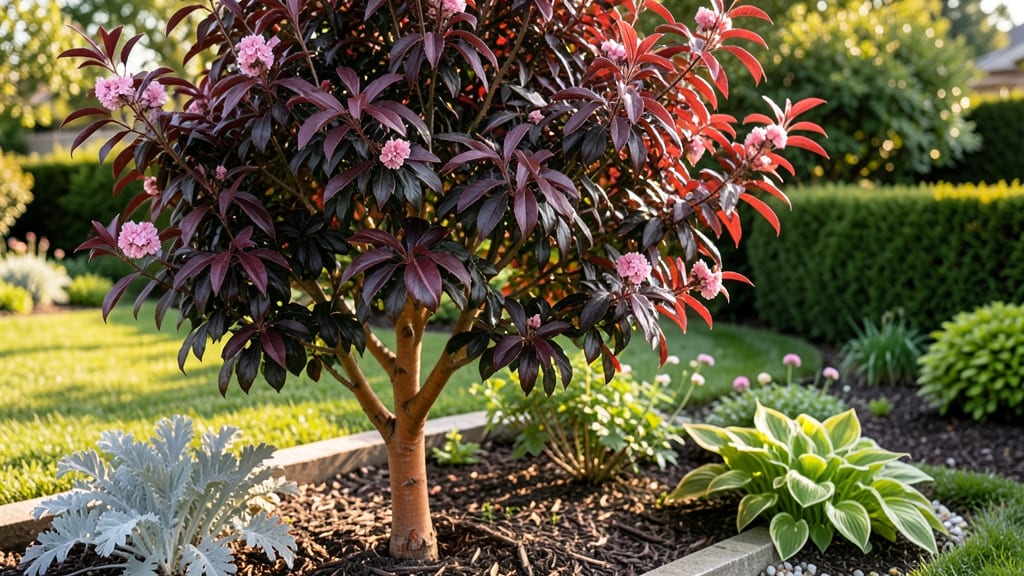
Growing a purple leaf peach tree means adding a showstopper to your landscape—deep burgundy foliage that turns gold in fall, plus the occasional blushing peach. 🌿 I’ve watched mine transform my yard from ordinary to eye-catching, even when it’s not in bloom.
The secret lies in its cold-hardy nature and low-maintenance care, making it perfect for gardeners who want drama without the fuss.
The key to success starts with the right spot: full sun and well-draining soil. Purple leaf peaches thrive in zones 5-9, so even northern climates can grow them. Plant in early spring when the soil warms to 50°F, and space trees 15-20 feet apart for airflow.
Water deeply once a week during the first year, then taper off—these trees hate soggy roots but love consistent moisture.
Pruning in late winter keeps the tree compact and encourages vibrant foliage. Cut back dead or crossing branches first, then shape it to your liking—just avoid heavy pruning after summer, as new growth needs time to harden off before frost.
With proper care, your tree will reward you with year-round color, plus the occasional sweet-tart peach (though fruit production is secondary to its ornamental value).
Common mistakes? Overwatering or planting in shade. Purple leaf peaches need sunlight to maintain their signature purple hue, and too much water can lead to root rot. Once established, they’re drought-tolerant, so don’t stress if you miss a watering day.
The payoff? A tree that’s as tough as it is beautiful, turning heads in every season.
📚 In This Guide
- What you need
- Instructions
- Tips and common mistakes
- Wrapping up and next steps
What you need
- ● Purple leaf peach tree: 1 bare-root sapling (dormant season) or
- ● 1 container-grown tree (3–5 gallons, 1–2 years old)
- ● Planting site: Full sun (6+ hours/day) 🌞
- ● Well-draining soil (pH 6.0–7.0)
- ● Space: 20–25 feet apart (for mature height/width)
- ○ Soil amendments (optional but helpful): Compost (5–10 lbs per planting hole)
- ● Slow-release fertilizer (10-10-10, 1–2 lbs)
- ● Shovel or trowel (for digging)
- ● Garden gloves (to protect your hands)
- ● Watering can or hose (with gentle spray nozzle)
- ● Mulch (2–3 inches of wood chips or straw)
- ○ Optional but handy: Soil pH test kit (to check acidity)
- ● Tree stake & ties (if planting in windy areas)
- ● Pruning shears (for shaping young trees)
- ● Check your USDA Hardiness Zone (5–9 for best results)
- ● Plant in early spring or fall (avoid extreme heat/cold)
- ● Water source nearby (trees need 1–2 inches/week)
Step-by-step guide to planting and caring for a purple leaf peach tree
This stunning cold-hardy variety thrives with the right planting and ongoing care—here’s how to make it flourish.
🌱 Step 1: Select the Perfect Planting Site and Prepare the Soil
Choose a location with full sun exposure (6-8 hours daily) and well-draining soil. Purple leaf peach trees tolerate colder climates down to USDA Zone 5, but they need protection from harsh winds. Test your soil’s pH—aim for a slightly acidic range of 6.0-6.5—and amend with compost if needed.
Dig a hole twice as wide as the root ball but no deeper. Loosen the sides to encourage root spread. If your soil is heavy clay, mix in 2-3 inches of coarse sand or perlite to improve drainage. The tree’s vibrant purple foliage depends on good airflow and nutrient availability, so don’t skip this prep.
🪴 Step 2: Plant at the Right Depth and Stake for Support
Place the tree in the hole so the top of the root ball sits 1-2 inches above ground level. This prevents waterlogging and allows for settling. Backfill with native soil, tamping gently to remove air pockets. Water deeply to settle the roots, then add a 2-3 inch layer of mulch around the base, keeping it 6 inches away from the trunk.
Install a stake if your area experiences strong winds or if the tree is young and top-heavy. Use soft tree ties to secure the trunk without constricting growth. Purple leaf peach trees have a naturally compact growth habit, but staking in the first year prevents leaning that can stress the plant.
☀️ Step 3: Water Deeply and Establish a Consistent Routine
Water the tree 1-2 times per week for the first year, providing 1-2 gallons per watering to encourage deep root growth. Let the top 2-3 inches of soil dry out between waterings—overwatering leads to root rot, which this tree is sensitive to. After the first year, reduce watering to once every 10-14 days unless experiencing extreme heat or drought.
Monitor the soil moisture by inserting your finger 2 inches deep. If it feels dry, it’s time to water. The tree’s purple leaves will darken slightly in dry conditions—this is normal, but prolonged wilting signals a need for more frequent watering.
✂️ Step 4: Prune for Shape and Health in Late Winter
Prune your purple leaf peach tree in late winter or early spring before new growth begins. Remove any dead, diseased, or crossing branches first, cutting back to the nearest healthy bud. Thin out crowded branches to improve airflow, which reduces fungal risks. Aim to maintain an open center to prevent future issues.
Shape the tree lightly to encourage a balanced form. Avoid heavy pruning—this variety responds best to minimal trimming. The vibrant purple foliage is its signature, so preserve as much leaf surface as possible. After pruning, apply a balanced fertilizer (10-10-10) to support new growth.
🌿 Step 5: Protect and Maintain Year-Round Color
In colder climates, wrap the trunk with tree guard or burlap in late fall to prevent sunscald and rodent damage. Purple leaf peach trees retain their color year-round, but harsh winters may cause some leaf drop—this is normal. Apply a 2-3 inch layer of mulch annually in early spring to retain moisture and regulate soil temperature.
Fertilize lightly in early spring with a slow-release, organic fertilizer to avoid overstimulating growth. Watch for pests like aphids or spider mites, which can dull the leaves. Treat infestations promptly with neem oil or insecticidal soap. With proper care, your tree will reward you with stunning purple foliage for decades.
Tips & tricks for perfect purple leaf peach tree care
Between us, these little details make all the difference for that showstopping purple foliage you're dreaming of.
Sunlight Strategy: That 6-8 hours of daily sun isn't just a suggestion—it's non-negotiable for maintaining vibrant purple leaves. I've seen trees in partial shade lose their signature color within months. If your yard gets afternoon shade, consider a location where it gets morning sun instead. The eastern exposure gives you the best of both worlds: intense morning light without the harsh afternoon heat that can stress the tree.
Soil Science: The slightly acidic pH of 6.0-6.5 isn't just a number—it's what unlocks that stunning purple pigment. I always test my soil before planting, and if it's off, I mix in peat moss or sulfur to adjust. For heavy clay soils, don't just dig the hole—amend the entire planting area with your 2-3 inches of coarse sand or perlite. This creates a root-friendly zone that extends beyond just where the roots initially go.
Watering Wisdom: The 2-inch deep soil check is your best friend. I've learned this the hard way after overwatering and watching roots rot. Water deeply but infrequently—those 1-2 gallons per watering encourage roots to grow downward where they'll find moisture naturally. In extreme heat, I increase to twice weekly, but I always check that 2-inch depth first. The tree's leaves will tell you too—if they start looking dull or crispy at the edges, it's time to adjust.
Pruning Precision: Late winter pruning before new growth begins is your window to shape without stressing the tree. I always start by removing the obvious deadwood first, then look for branches that are crossing or rubbing. The key is to make clean cuts just outside the branch collar—this prevents unsightly stubs that can invite disease. Remember, you're not just pruning for shape, you're creating airflow that keeps those leaves looking fresh and vibrant all season long.
Pro Tips for Purple Leaf Peach
- Between us, these little details make all the difference for that showstopping purple foliage you're dreaming of.
- Sunlight Strategy: That 6-8 hours of daily sun isn't just a suggestion—it's non-negotiable for maintaining vibrant purple leaves.
- Soil Science: The slightly acidic pH of 6.0-6.5 isn't just a number—it's what unlocks that stunning purple pigment.
Frequently asked questions
How cold-hardy is the purple leaf peach tree?
The purple leaf peach tree thrives in USDA Hardiness Zones 5-9, making it one of the hardiest ornamental peach varieties. While it can tolerate brief dips to -10°F (-23°C), young trees may need winter protection (like burlap wraps) in colder climates. Once established, its deep purple foliage stays vibrant even in chilly weather!
When is the best time to plant a purple leaf peach tree?
Plant your tree in early spring or fall for the best results. Spring planting (after the last frost) lets roots establish before summer heat, while fall planting (6-8 weeks before frost) avoids drought stress. Avoid planting in summer’s peak heat, as transplant shock can occur. Pro tip: Water deeply weekly for the first year to help it settle in!
Does a purple leaf peach tree produce edible fruit?
While it’s called a "peach" tree, this variety is primarily grown for its stunning foliage—not fruit. The few small, tart fruits it produces are not sweet or juicy enough to eat fresh, though some gardeners use them for jams or preserves. Focus on its year-round color and low-maintenance beauty instead!
How do I encourage more vibrant purple leaves?
For the deepest purple hues, plant in full sun (6+ hours daily) and well-draining soil. Prune in late winter to remove dead or crossing branches, which boosts airflow and color intensity. Avoid over-fertilizing with nitrogen (it dulls the purple!), but a balanced 10-10-10 fertilizer in early spring keeps it healthy. Mulch with wood chips to retain moisture and enhance color.
Why are my purple leaf peach tree’s leaves turning yellow or brown?
Yellowing leaves often signal overwatering or poor drainage, while brown edges can mean underwatering or heat stress. Check soil moisture—it should be damp but not soggy. Pest issues (like aphids) can also cause discoloration; spray with neem oil if you spot tiny insects. If leaves drop early, it may need more winter protection in cold zones.
What are good companion plants for a purple leaf peach tree?
Pair it with low-maintenance perennials like Russian sage (for purple contrast), black-eyed Susans (golden pops), or boxwood shrubs (for structure). Avoid aggressive roots like bamboo or invasive ground covers, which can compete for nutrients. For a fireworks effect, plant near red or pink flowering shrubs like barberry!
Wrapping up and next steps
The purple leaf peach tree isn’t just a stunning addition to your garden—it’s a versatile, low-maintenance powerhouse that delivers year-round beauty with minimal fuss.
Whether you’re drawn to its vibrant foliage, delicious fruit, or cold-hardy resilience, this tree proves that gardening can be both rewarding and effortless. 🌿✨
Ready to transform your outdoor space? Start by selecting the perfect spot, gathering your supplies, and planting with confidence—your future purple paradise awaits! Shop tools or explore planting guides to take the next step.