
Planting
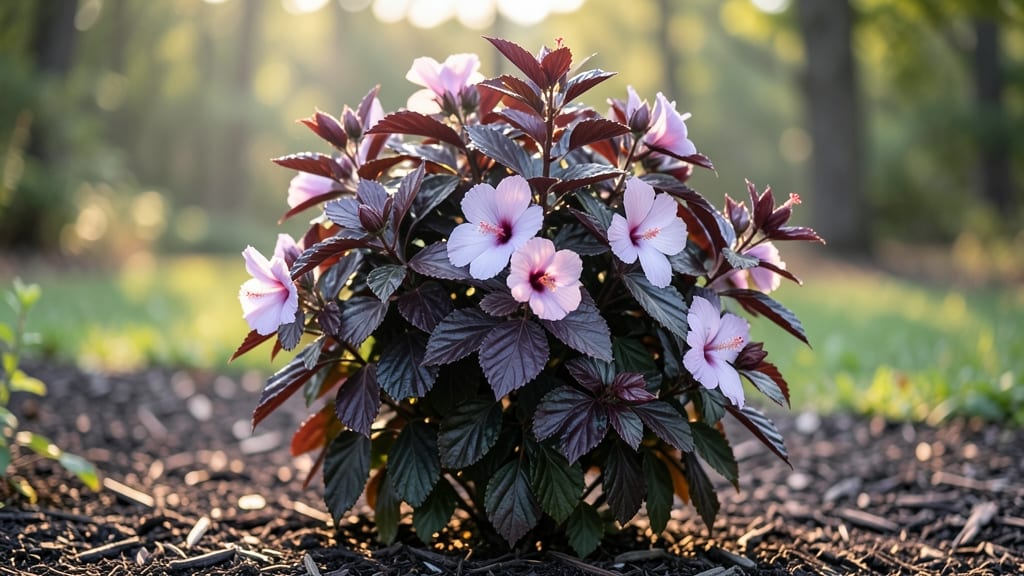
The purple leaf hibiscus plant brings drama to any garden with its striking foliage that shifts from deep purple to burgundy. 🌿 I’ve grown mine for years, and the secret to its vibrant colors isn’t complicated—it’s all about the right balance of light, soil, and care.
Whether you have a sunny patio or a shady corner, this plant adapts beautifully while keeping its bold hues year after year.
This hibiscus thrives in partial shade to full sun, making it incredibly versatile for different garden spots. Well-draining soil is key—too much moisture leads to root rot, while slightly acidic soil (around 6.0-6.5 pH) keeps the leaves rich and glossy.
Water consistently but let the top inch of soil dry out between waterings, especially in summer when growth is most active.
Pruning in late winter or early spring keeps the plant compact and encourages lush new growth. Snip back any leggy stems and remove dead or yellowing leaves to maintain its striking appearance.
With proper care, you’ll see vibrant blooms in summer, though the real showstopper is that purple foliage that turns heads all season long.
Watch for common pests like spider mites or aphids, which love the hibiscus’s tender leaves. A strong spray of water or neem oil usually clears them up quickly. In colder climates, bring potted plants indoors before frost or protect them with a thick mulch layer.
The payoff? A plant that’s low-maintenance yet high-impact, perfect for adding color without the fuss.
📚 In This Guide
- What you need
- Instructions
- Tips and common mistakes
- Wrapping up and next steps
What you need
- ● Purple leaf hibiscus plant: 1 nursery-grown specimen (3–6 inches tall) or seeds/rooted cuttings (if propagating).
- ● Well-draining potting mix: 2–3 gallons (for containers) or enriched garden soil (for in-ground planting). Pro tip: Mix in 20% perlite or sand for aeration! 💡
- ○ Container (optional but recommended): 1 large pot (12–18 inches wide) with drainage holes or
- ● Direct garden bed in USDA Zones 7–11 (hardy to Zone 6 with winter protection).
- ● Fertilizer: Balanced, slow-release granular fertilizer (10-10-10) or organic compost (1 cup per plant).
- ● Pruning shears: Sharp, sterilized pair for trimming dead leaves or shaping.
- ● Watering can or hose: With a gentle spray nozzle for hydration.
- ● Mulch: 2–3 inches of shredded bark or pine straw to retain moisture.
- ● Plant supports: Stakes or cages (for taller varieties in windy areas).
- ● Epsom salt: 1 tablespoon monthly (for magnesium boost in yellowing leaves).
- ● Shade cloth: 30–50% coverage for afternoon sun protection in hot climates.
Step-by-step guide to growing a stunning purple leaf hibiscus
Here’s how to coax that dramatic purple foliage into full, vibrant life—whether you’ve got sun or shade to work with.
🌱 Step 1: Pick the Perfect Spot and Soil
Purple leaf hibiscus thrives in partial shade to full sun, but the deeper the purple, the more shade it can handle. In hot climates, afternoon shade protects leaves from scorching. Amend your soil with 2-3 inches of compost to loosen heavy clay or sandy soil—hibiscus roots need room to breathe.
Dig a hole twice as wide as the root ball but only as deep. The top of the root ball should sit 1 inch above ground level—this prevents water from pooling around the stem, which causes rot. If your soil drains poorly, mix in a handful of perlite to improve aeration.
☀️ Step 2: Plant and Water Deeply
Gently remove the plant from its container and loosen any circling roots with your fingers. Place it in the hole, then backfill with soil, pressing lightly to eliminate air pockets. Water deeply right away—this helps settle the soil and encourages roots to spread outward instead of staying compacted.
After planting, keep the soil consistently moist for the first 2-3 weeks. You’ll know it’s right when the top 2 inches of soil feel damp but not soggy. Overwatering here is the fastest way to smother new roots—hibiscus roots need oxygen, not a swamp.
💧 Step 3: Feed and Mulch for Year-Round Color
In spring, apply a balanced, slow-release fertilizer (10-10-10) at half strength. Hibiscus is a heavy feeder, but too much nitrogen makes leaves soft and less vibrant. I like to fertilize every 4-6 weeks during growing season, then taper off in fall. Purple leaf hibiscus also loves a light annual pruning in late winter to shape growth and encourage fresh, colorful foliage.
Spread 2-3 inches of mulch around the base, keeping it 3 inches away from the stem. Organic mulch like bark or shredded leaves also improves soil as it breaks down. This layer keeps roots cool in summer and prevents weeds from competing for nutrients.
✂️ Step 4: Prune for Shape and Health
Prune in late winter or early spring before new growth starts. Cut back one-third of the plant to encourage bushier growth and more vibrant foliage. Remove any dead, diseased, or crossing branches first—they’ll steal energy from the rest of the plant.
For shaping, focus on outer branches. The goal is to open up the center for airflow, which prevents fungal issues. If your hibiscus flowers, deadhead spent blooms to redirect energy into foliage. Watch for new purple shoots—these are your signal that pruning worked.
🪴 Step 5: Overwinter for Next Year’s Drama
In colder zones, protect your hibiscus by mulching heavily (4-6 inches) around the base. Wrap the plant in burlap if temperatures dip below 20°F, but leave the top open for airflow. In containers, move pots to a sheltered spot like a garage or under an eave, keeping them barely moist through winter.
Come spring, remove winter protection and prune lightly to remove any frost-damaged branches. Hibiscus is surprisingly resilient—if you’ve kept the soil healthy and pruned regularly, you’ll see fresh purple leaves within 3-4 weeks of new growth.
Tips & tricks for perfect purple leaf hibiscus care
A few simple strategies will help you coax the most vibrant foliage from your purple leaf hibiscus—no matter your climate or growing conditions.
Soil Preparation Secret: Before planting, mix a handful of perlite into your amended soil if it feels dense. This improves drainage without changing the soil structure, which is especially important for hibiscus roots that hate soggy conditions. I've seen plants struggle in heavy clay even after composting—adding perlite makes all the difference.
Watering Wisdom: The key to that first critical 2-3 weeks is consistency, not quantity. I check soil moisture by poking my finger 2 inches down—if it feels dry, it's time to water. Overwatering here is the silent killer, so let the top inch dry out between waterings once the initial period passes. Think "damp but not wet."
Fertilizing Fine-Tuning: When you apply that 10-10-10 fertilizer at half strength in spring, I recommend splitting it into two applications—half now and half again in 3 weeks. This gradual feeding prevents nutrient burn while still giving your plant the boost it needs for vibrant growth. And remember, less is more with nitrogen!
Pruning Precision: When you're cutting back one-third of the plant in late winter, focus on removing branches that cross or grow inward. These compete for sunlight and air circulation. I like to make clean cuts just above a leaf node or outward-facing bud—this encourages new growth in the right direction for that bushy, colorful shape.
Pro Tips for Purple Leaf Hibiscus Plant
- A few simple strategies will help you coax the most vibrant foliage from your purple leaf hibiscus—no matter your cli...
- Soil Preparation Secret: Before planting, mix a handful of perlite into your amended soil if it feels dense. This imp...
- Watering Wisdom: The key to that first critical 2-3 weeks is consistency, not quantity. I check soil moisture by poki...
Frequently asked questions
Got questions about keeping your purple leaf hibiscus thriving? You’re in the right place! Here are answers to the most common queries—from pruning tips to troubleshooting—so you can enjoy its stunning foliage year-round.
How often should I prune my purple leaf hibiscus?
Prune your purple leaf hibiscus once a year, in early spring (before new growth starts) to shape it and encourage bushier foliage. Light trimming after flowering (late summer) can also promote more blooms. Avoid heavy pruning in fall—it may stunt winter hardiness. Pro tip: Use clean, sharp shears to prevent disease!
Is purple leaf hibiscus cold-hardy?
Most varieties tolerate USDA zones 5-9, but they’re sensitive to prolonged cold below 10°F (-12°C). In colder climates, plant in sheltered spots, mulch heavily, or grow it as a container plant you can move indoors. Young plants need extra protection—wrap them in burlap or use frost cloth.
Why are the leaves turning yellow or dropping?
Yellowing leaves often signal overwatering or poor drainage. Let the top 1-2 inches of soil dry out between waterings, and ensure the pot has drainage holes. Drooping leaves can also mean underwatering or root stress. Check for pests (like spider mites) and adjust sunlight—too much shade weakens the plant.
Can I grow purple leaf hibiscus in shade?
While it thrives in full sun, purple leaf hibiscus can tolerate partial shade (4-6 hours of sunlight daily), especially in hot climates. In deep shade, expect less vibrant foliage and fewer blooms. If growing indoors, place it near a south- or west-facing window. Rotate the pot occasionally for even growth.
What’s the best alternative if I want similar foliage but fewer flowers?
If you love the purple foliage but want less maintenance, try:
- Crapemyrtle (Lagerstroemia) – Drought-tolerant with striking purple leaves and minimal pruning needs.
- Japanese Maple (Acer palmatum) – Offers vibrant purple hues year-round with delicate, ornamental leaves.
- Dwarf Fountain Grass (Pennisetum) – Adds texture and color with low-growing, purple-tinged varieties like 'Little Bunny.'
Wrapping up and next steps
The purple leaf hibiscus is a stunning, low-maintenance plant that brings drama and color to any garden—whether basking in full sun or thriving in partial shade. 🌿 With its vibrant foliage, drought tolerance, and easy care, it’s the perfect choice for both beginners and seasoned gardeners.
Ready to add this showstopper to your outdoor space? Start by checking your USDA hardiness zone and gathering your supplies, then plant with confidence. Your garden will thank you with a burst of bold beauty! 🌸