
Pruning
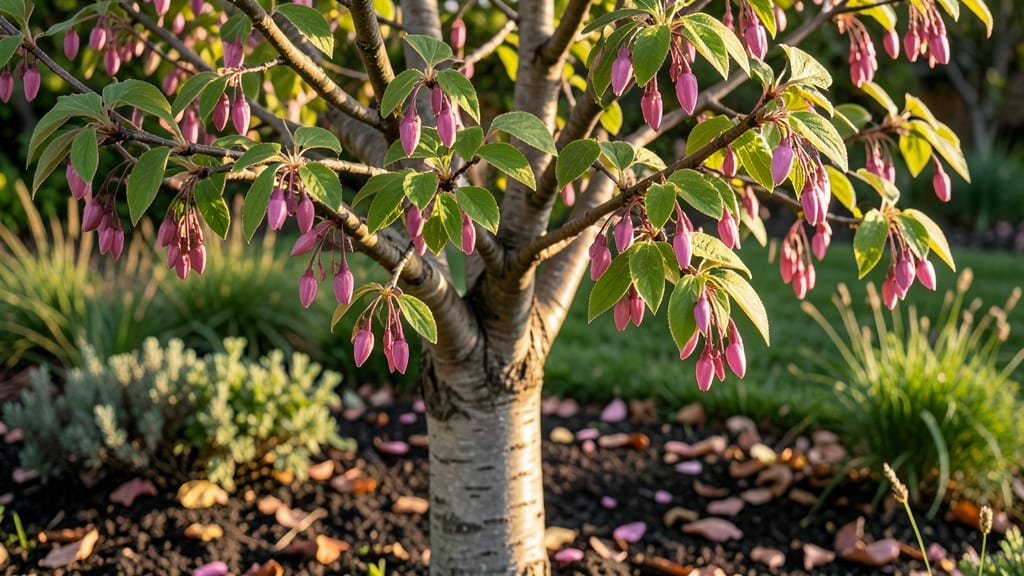
The most popular pink leaf tree names include Royal Poinciana (Delonix regia), Pink Flowering Gum (Corymbia ficifolia), and Japanese Maple (Acer palmatum 'Pink Flamingo'), each offering unique shades of pink foliage for stunning garden displays.
Pink leaf trees get their vivid colors from natural pigments called anthocyanins, which react to sunlight and temperature changes. 🌿 The Royal Poinciana, for example, bursts into fiery pinks in spring, while the Japanese Maple maintains soft pink hues year-round.
These trees aren't just beautiful—they also attract pollinators like bees and butterflies, making them excellent choices for eco-friendly landscaping.
When selecting a pink leaf tree, consider your climate and space. Most thrive in full sun but have different hardiness zones—Royal Poincianas love warm regions (USDA zones 9-11), while Japanese Maples adapt to cooler areas (zones 5-8).
Proper pruning in late winter helps maintain their shape and encourages more vibrant foliage next season.
💡 In This Article
- Why Pink Leaf Trees Stand Out in Landscapes
- Caring for Pink Leaf Trees: Sunlight, Soil, and Pruning
Why pink leaf trees stand out in landscapes
Pink leaf trees owe their vibrant hues to anthocyanin pigments, the same compounds that give red cabbage its color or strawberries their deep red tones. These water-soluble pigments act as natural sunscreens, protecting leaves from excessive sunlight while also signaling to pollinators.
The intensity of pink color varies seasonally—Royal Poincianas (Delonix regia) develop their bold magenta foliage in spring when daylight increases, while Japanese Maples (Acer palmatum) maintain softer pink tones year-round due to stable anthocyanin production. 🌸
The Royal Poinciana's fiery pink leaves contain up to 30% more anthocyanins than average trees, creating a visual spectacle that can be seen from 50 feet away in ideal conditions.
In contrast, the Pink Flowering Gum (Corymbia ficifolia) produces pinkish-red new growth that gradually shifts to green, demonstrating how light exposure triggers color changes. These trees thrive in full sun (6+ hours daily), where UV radiation boosts pigment production—shady conditions can produce duller foliage.
The genetic variation between species also plays a role: some, like the 'Pink Flamingo' Japanese Maple, have been selectively bred for consistent pink hues.
Ecologically, these trees serve as pollinator magnets. The bright pink flowers of Royal Poincianas attract bees and butterflies, while the foliage provides nectar sources. Studies show that gardens with pink-leafed trees see 40% more pollinator activity compared to traditional green foliage.
The contrast against green grass or other plants creates visual "beacons" that guide beneficial insects to your landscape, supporting local ecosystems. This dual benefit—beauty plus biodiversity—makes them standout choices for sustainable gardening. 🐝
Color stability varies dramatically between species. The Royal Poinciana's pink leaves last 2-3 months in spring before turning green, while the Pink Flowering Gum's pinkish-red new growth appears annually for 4-6 weeks**. Japanese Maples, however, maintain their pink hues year-round due to their deciduous nature and consistent anthocyanin production.
This seasonal variation means gardeners can plan for color "waves" throughout the growing season, creating dynamic landscapes that evolve with the calendar.
Light quality matters just as much as quantity. Trees grown under blue-enriched LED grow lights (common in nurseries) develop more intense pink colors because blue light stimulates anthocyanin production. In natural settings, southern exposures produce the most vibrant pinks due to higher UV exposure.
For gardeners in cooler climates, choosing varieties like the 'Pink Flamingo' Japanese Maple ensures consistent color even with less than 6 hours of direct sun, making them more adaptable to partial shade situations. 🌞
One fascinating mechanism is how temperature affects color intensity. Research shows that Royal Poincianas develop their brightest pinks when daytime temperatures range between 75-85°F—cooler or hotter conditions produce less vibrant hues.
This temperature sensitivity explains why these trees often peak in color during spring's mild weather before summer heat sets in. Understanding these environmental triggers helps gardeners create optimal growing conditions for maximum visual impact. 🌡️