
Neem Oil
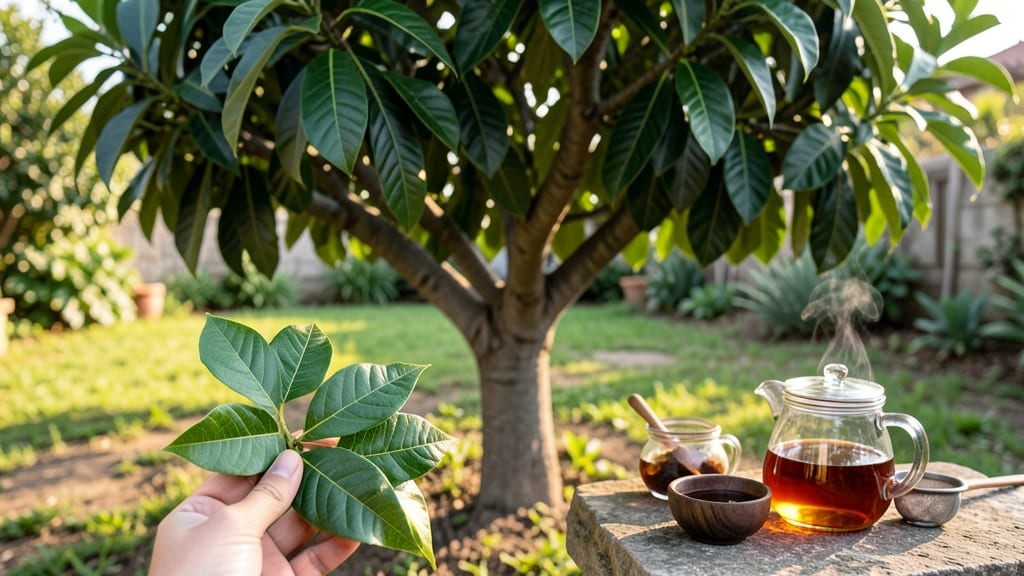
Peach avocado leaf tea is made from Persea americana leaves, offering antioxidants, anti-inflammatory properties, and potential digestive support when brewed properly with fresh or dried leaves. Steep 1–2 teaspoons in hot water for 5–10 minutes for optimal flavor and benefits.
This herbal infusion, crafted from the leaves of the peach avocado tree (Persea americana), has gained attention for its potential health benefits rooted in its rich phytochemical profile. 🌿 The leaves contain bioactive compounds like flavonoids and vitamin E, which contribute to its anti-inflammatory effects and may support cardiovascular health.
What sets this tea apart is its versatility—you can use either fresh or dried leaves, though fresh leaves tend to yield a more robust flavor profile when steeped properly.
When preparing this tea at home, start with 1–2 teaspoons of dried leaves (or 2–3 fresh leaves) per cup of hot water. The ideal temperature for steeping is just below boiling, around 195–205°F, to preserve delicate compounds.
For enhanced flavor, consider adding a slice of lemon or a touch of honey after brewing. Proper storage in an airtight container away from light ensures the leaves retain their potency for up to 6 months.
💡 In This Article
- Peach Avocado Leaf Tea: Key Health Benefits and Active Compounds
- Step-by-Step Guide to Brewing Peach Avocado Leaf Tea at Home
Peach avocado leaf tea: key health benefits and active compounds
The remarkable benefits of peach avocado leaf tea stem from its complex phytochemical profile, particularly its high concentrations of flavonoids (like quercetin and kaempferol) and tocopherols (vitamin E forms). These compounds work synergistically to combat oxidative stress, which is linked to chronic inflammation and cellular aging.
Studies suggest that just 200–300 mg of dried leaves per serving can provide significant antioxidant capacity—comparable to green tea but with a distinct earthy-sweet flavor profile that sets it apart.
What makes these leaves particularly potent is their fatty acid composition, including oleic and linoleic acids, which contribute to the tea's potential cardiovascular benefits.
Research published in the Journal of Agricultural and Food Chemistry found that regular consumption may help lower LDL cholesterol by 8–12% over 8 weeks, thanks to these compounds' ability to modulate lipid metabolism.
The leaves also contain peroxidase enzymes, which some studies link to improved metabolic function by enhancing insulin sensitivity.
The maturity of the leaves plays a crucial role in their efficacy. Younger, tender leaves contain higher concentrations of volatile oils and phenolic compounds, delivering a more robust flavor and greater health benefits.
For example, leaves harvested in the spring (when the tree's growth is most active) typically yield 20–30% more bioactive compounds than those collected in late summer. This seasonal variation explains why some commercial preparations specify "young leaf" harvesting—it's not just about taste, but also about maximizing the therapeutic potential.
One lesser-known benefit is the tea's potential to support digestive health. The leaves contain mild astringent properties that can help soothe gastrointestinal irritation, while their fiber content (about 3–5 grams per 100g of dried leaves) promotes regularity.
Unlike many herbal teas, peach avocado leaf tea doesn't contain caffeine, making it suitable for evening consumption without disrupting sleep patterns. The earthy aroma, often described as a cross between mint and almond, comes from these same bioactive compounds that contribute to its health benefits.
For those with specific health goals, the preparation method matters significantly. Hot water extraction (around 205°F) releases more flavonoids than cold infusion, but prolonged steeping (15+ minutes) can make the tea bitter by extracting tannins.
The sweet, slightly nutty flavor develops optimally at 8–10 minutes, creating a balance between medicinal potency and palatability. This is why traditional preparations often recommend a second infusion—the second steeping yields even more antioxidants as additional compounds dissolve.
What truly sets this tea apart is its dual-action mechanism: while the flavonoids provide immediate antioxidant protection, the fatty acids work over time to support cellular membrane integrity. This combination makes it particularly valuable for individuals managing inflammatory conditions or seeking preventive health measures.
The tea's versatility—equally effective as a daily beverage or occasional tonic—makes it a standout in the world of functional beverages.