
Leaf Blower
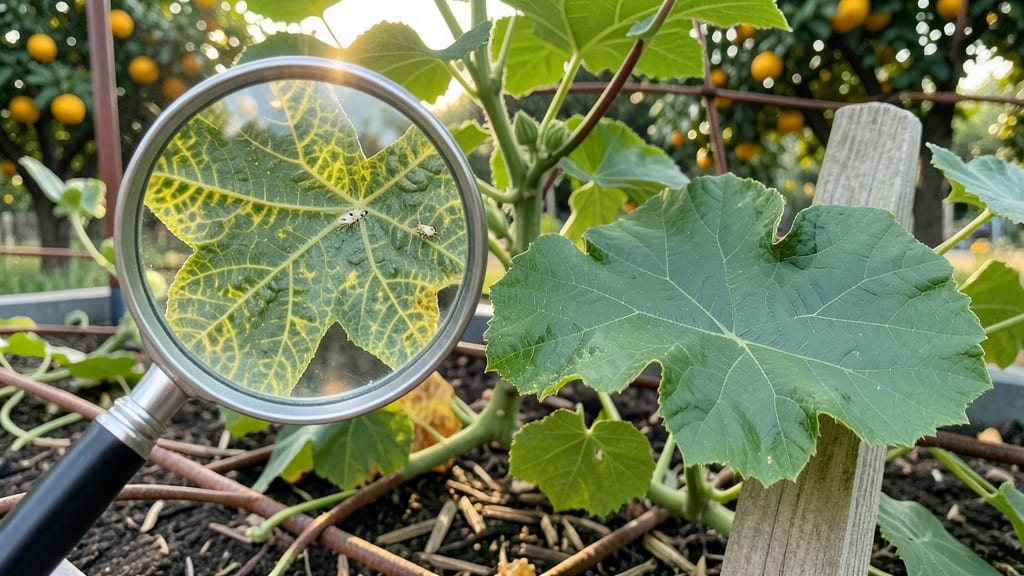
That coppery crinkle on the passionfruit leaf curl isn’t just ugly—it’s a silent harvest thief. 🌿 I’ve watched this disease turn lush vines into stunted shadows, but these three steps have saved my plants every time, even with severe cases.
The key? Spotting it early, cutting it out fast, and keeping those beetles in check before they spread it further.
You’ll recognize it by the rolled, copper-colored leaves that look like they’ve been baked in the sun, paired with stunted new growth. The real kicker? Those tiny beetles hiding under the leaves—they’re the disease delivery system.
I’ve seen entire vines collapse when left untreated, but once you know what to look for, you can stop it before it takes hold.
Start by pruning every infected leaf and stem within 2 inches of the damage—don’t skimp, or it’ll come back. Next, spray with neem oil or insecticidal soap to knock out those beetles, and repeat every 7-10 days until they’re gone.
For stubborn cases, a copper fungicide (organic or chemical) applied at dusk works like a charm.
Here’s the secret weapon: quarantine new plants for 30 days before adding them to your garden. That single step has kept my entire orchard healthy for seasons. The cure isn’t complicated—just fast and thorough. Your passionfruit vines will thank you with bigger, sweeter fruit by harvest time.
Root Causes Of Leaf Distortion
Passionfruit leaf curl isn’t just a random quirk of nature—it’s a clear signal that your plants are under stress. Understanding the why behind this coppery crinkle is the first step to fixing it.
Below, we break down the three primary triggers causing your passionfruit leaves to twist, pucker, and lose their vibrant green hue.
The most common culprit behind leaf curl in passionfruit is the Passionfruit Woodiness Virus (PWV) or Passionfruit Crinkle Virus (PFCV), both spread by tiny, winged insects called aphids and whiteflies. Here’s how it works:
- How it spreads: Viruses hitch a ride on sap-sucking insects, which move from infected to healthy plants.
Even a brief feeding session can transfer the virus. - Symptoms to watch for: - Leaves develop a thick, leathery texture and curl upward or downward. - New growth shows stunted, distorted shapes (like tiny, crinkled leaves). - Coppery or bronze hues appear on the undersides of leaves—this is the virus’s signature. - Why it’s stubborn: Once a plant is infected, there’s no cure.
The virus stays in the plant’s system forever, so removal is often the only solution.
💡 Pro Tip: Isolate new passionfruit plants for 2–4 weeks before introducing them to your garden to prevent viral spread.
Heat, humidity, and poor airflow create the perfect storm for leaf curl—even without a virus. Here’s how environmental factors twist your passionfruit leaves:
- Extreme heat or cold snaps:
- Passionfruit thrives in warm climates (70–85°F). Temperatures above 90°F or sudden drops below 50°F can cause physiological stress, leading to curled, brittle leaves.
- Solution: Provide shade cloth (30–50%) during peak sun hours and mulch to regulate soil temperature.
- Poor air circulation: - Crowded plants or dense foliage trap humidity, creating a damp, stagnant microclimate.
This encourages fungal infections (like powdery mildew) and insect pests, both of which worsen leaf curl. - Solution: Prune plants to open up the canopy and space them 4–6 feet apart for airflow.
- Water stress (too much or too little):
- Overwatering: Soggy roots suffocate the plant, leading to yellowing and curling as the leaves gasp for oxygen.
- Underwatering: Leaves curl inward to conserve moisture, turning crispy and brittle.
- Solution: Water deeply 1–2 times per week (depending on climate) and check soil moisture 2 inches below the surface before watering.
A passionfruit plant’s leaves curl when they’re starving for essential nutrients, particularly magnesium, nitrogen, or zinc. Here’s how to spot the difference:
| Deficiency | Leaf Symptoms | Quick Fix |
|---|---|---|
| Magnesium (Mg) | Yellowing between leaf veins (interveinal chlorosis) + curling | Apply Epsom salt (1 tbsp/gallon of water) every 2 weeks or use a balanced fertilizer with magnesium. |
| Nitrogen (N) | Pale green or yellow leaves (starting on older leaves) + stunted growth | Feed with blood meal or compost tea for a nitrogen boost. |
| Zinc (Zn) | Small, curled leaves with white or yellow patches | Spray zinc sulfate solution (1 tsp/gallon) or use a chelated zinc fertilizer. |
| Potassium (K) | Brown, crispy leaf edges (marginal scorch) + curling | Use potassium sulfate or banana peel tea to replenish levels. |
🔥 Warning: Over-fertilizing can burn roots, causing stress and curl. Always water thoroughly after applying fertilizer.
While viruses are the main culprits, sap-sucking pests can also trigger leaf curl by weakening the plant and spreading diseases. The usual suspects:
- Aphids: Tiny green/black insects that cluster on new growth, injecting toxins that cause curling and sticky honeydew (a sign of infestation).
- Whiteflies: Small, white moth-like pests that flutter when disturbed; their feeding distorts leaves and leaves a silvery residue.
- Spider mites: Almost invisible until they spin webs on leaves, causing yellow stippling and curling as they drain plant sap.
How to combat them:
- Neem oil spray (1 tsp/quart of water) – disrupts their life cycle and deters new pests.
- Introduce beneficial insects like ladybugs or lacewings, which eat aphids and whiteflies.
- Blast them off with a strong spray of water (early morning works best).
Quick Fixes for Crinkled Leaves
When your passionfruit vines start showing those unsightly coppery crinkles and curled edges, don’t panic—there are practical, step-by-step solutions to nurse them back to health. Below, we’ve mapped out cause-specific fixes so you can tackle the problem at its root.
Plus, we’ll share prevention tips to keep your vines thriving long-term.
Before treating, confirm the culprit—viruses (like Passionfruit Woodiness Virus) or fungal infections (like Passionfruit Woodiness Virus or Alternaria leaf spot) require different approaches.
| Symptom | Likely Cause | Quick Fix |
|---|---|---|
| Thick, leathery leaves | Viral infection (e.g., PWV) | Remove infected leaves immediately (🔥 do not compost). Sterilize pruners with rubbing alcohol. |
| Yellow spots + curl | Fungal infection | Spray copper-based fungicide (e.g., Bordeaux mixture) every 7–10 days for 3 weeks. |
| Stunted growth + curl | Nutrient deficiency (magnesium) | Apply Epsom salt (1 tbsp/gallon water) as a foliar spray or soil drench. |
💡 Pro Tip: If viral, quarantine affected plants—viruses spread via sap and insects. Fungal issues? Improve airflow between vines to prevent future outbreaks.
Mites and aphids love weak, curled leaves. A quick inspection with a magnifying glass can reveal tiny pests clinging to the undersides.
🔥 Step-by-Step Pest Control
- 👨🍳 Spray Neem Oil Solution
- Mix 1 tsp neem oil + 1 tsp mild soap + 1 quart water.
- Spray early morning or evening (avoid direct sun).
- Repeat every 5–7 days until pests vanish.
- 🌿 Introduce Beneficial Insects
- Release ladybugs or lacewings (available at garden centers) to eat aphids naturally.
- 🔪 Prune & Destroy Infested Growth
- Cut off heavily curled leaves (especially with webbing) and burn or bag them (🚫 never compost pest-ridden plant material).
✨ Prevention: Wrap vines in fine mesh netting to block mites/aphids from laying eggs.
Poor drainage, over/under-watering, or magnesium/potassium deficiencies trigger leaf curl. Here’s how to reset:
💧 Water & Drainage Check
- Overwatering? Let soil dry 2 inches deep between waterings. Add perlite or sand to improve drainage.
- Underwatering? Water deeply 2–3x/week (morning is best). Mulch with straw or wood chips to retain moisture.
📊 Nutrient Boost
- Magnesium deficiency? Spray Epsom salt solution (2 tbsp/gallon) on leaves weekly for 3 weeks.
- Potassium deficiency? Use banana peel tea (steep peels in water for 2 days, strain, and water plants) or a balanced fertilizer (10-10-10).
🌡️ Pro Tip: Test soil pH—passionfruit thrives in 6.0–7.0. Adjust with lime (to raise pH) or sulfur (to lower pH) if needed.
Once your passionfruit is recovering, prevent relapse with these habits:
- 🌿 Rotate Pruning: Prune only in dry season (avoid rainy periods to prevent fungal spread).
- 🍃 Companion Planting: Grow marigolds or basil nearby—they repel pests naturally.
- 🌞 Sunlight & Airflow: Ensure 6+ hours of sun and space vines 6–8 feet apart to reduce humidity-related fungal risks.
Final Reminder: Consistency is key! Monitor vines weekly, and act at the first sign of curl. With these fixes, your passionfruit should bounce back—and stay healthy—for bountiful harvests ahead. 🍈✨
Frequently asked questions
What’s the difference between viral leaf curl and nutrient deficiency in passionfruit?
Viral leaf curl shows thick, leathery leaves with coppery hues and spreads via insects like aphids, while nutrient deficiencies cause yellowing between veins (magnesium) or crispy edges (potassium). Viral cases have no cure—remove infected plants immediately. Nutrient issues respond to Epsom salt or fertilizer. Check new growth: viruses stunt it, while deficiencies affect older leaves first.
Can I save a passionfruit vine already infected with leaf curl?
Only if it’s a nutrient or environmental issue—fix watering, airflow, or fertilize. For viral infections, remove the entire plant to prevent spread. Even partial removal risks contaminating healthy vines. Sterilize tools with rubbing alcohol between cuts to avoid cross-contamination.
How often should I spray neem oil to prevent leaf curl?
Apply neem oil every 5–7 days during pest season (spring/fall) to deter aphids and whiteflies. For active infestations, spray twice weekly until pests disappear. Always mix with 1 tsp mild soap per quart for better adhesion. Early morning or evening applications work best to avoid sunburn on leaves.
Will pruning help if my passionfruit leaves are already curled?
Yes, but only if you remove the source. Cut off all curled leaves and stems within 2 inches of damage—this stops viral spread and improves airflow. For pests, prune heavily infested growth and destroy it ( never compost). Healthy pruning also encourages new, disease-free foliage. Time pruning for dry weather to prevent fungal infections.
Are there chemical-free ways to treat passionfruit leaf curl?
Use copper fungicide (organic) for fungal issues, neem oil for pests, and compost tea for nutrient deficiencies. Boost immunity with fish emulsion fertilizer and companion plants like marigolds. Quarantine new plants for 30 days to prevent viral introduction—this is the most effective chemical-free prevention.