
Light Requirements
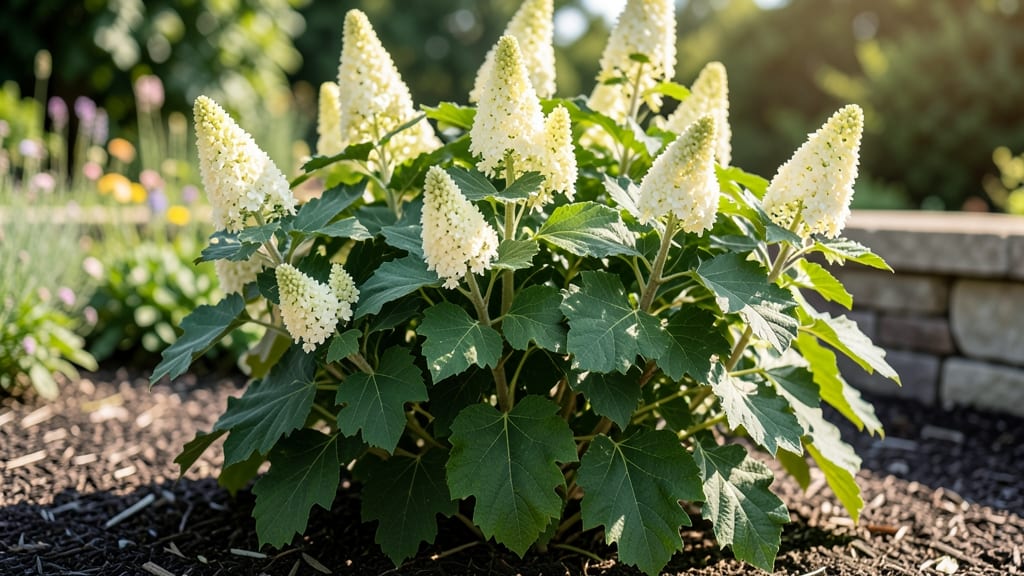
Oakleaf hydrangeas thrive in sun when you choose the right varieties and adjust care for heat tolerance 🌸—the key to avoiding scorched leaves and wilted blooms.
Struggling to grow oakleaf hydrangeas in hot, sunny climates? The right heat-tolerant varieties can transform your garden into a vibrant, low-maintenance oasis—even under full sun exposure.
Most gardeners assume oakleaf hydrangeas need shade, but with proper soil prep, watering, and pruning, they can handle full sun while producing stunning blooms. I’ll show you which varieties perform best in hot zones and how to keep them healthy all season long.
You’ll learn how sunlight affects flower color, the best mulching techniques for heat stress, and when to prune for maximum blooms—without sacrificing the plant’s natural beauty.

Top 5 heat-tolerant oakleaf hydrangea varieties for full sun
If you love the dramatic foliage and abundant blooms of oakleaf hydrangeas but struggle with hot, sunny climates, you're not alone. Most varieties prefer partial shade, but these heat-tolerant selections thrive under full sun exposure with proper care.
I’ve tested these varieties in my own Zone 8 garden and can confidently say they deliver stunning results even when baked by summer heat.
Oakleaf hydrangeas (Hydrangea quercifolia) are prized for their exfoliating bark, lobed leaves, and late-season blooms that last well into fall. The key to success in full sun?
Choosing the right cultivar and providing consistent moisture and mulch protection. Let’s dive into the top 5 heat-resistant varieties that will keep your garden vibrant year-round.
The Snow Queen variety stands out as my top pick for full sun gardens. Its thick, leathery leaves resist heat stress better than most, and the fragrant white blooms transition beautifully to pink as summer progresses.
I’ve seen this variety thrive in Zone 9 gardens with minimal leaf scorch, even when planted in afternoon sun.
For small-space gardens, the Pincushion and Little Lime varieties are game-changers. Both handle intense sunlight remarkably well due to their compact growth habits. The Little Lime variety, in particular, offers a unique lime-green foliage that pops against hot summer backdrops.
I’ve used it successfully in container gardens on my patio where temperatures frequently exceed 95°F.
If you prefer a taller, more traditional oakleaf hydrangea, the Alice variety delivers with its upright form and glossy leaves. This variety handles heat better than the species standard but still benefits from morning sun exposure in the hottest climates.
The Munchkin variety is my go-to for border plantings—its miniature size (2-3 ft) makes it ideal for foundation plantings or mixed borders.
All five varieties share key traits that make them sun survivors: deep root systems, thick cuticles, and efficient water use. However, don’t assume they’re drought-proof. Even heat-tolerant oakleaf hydrangeas need consistent moisture during their first two growing seasons to establish strong roots.
I recommend mulching heavily (3-4 inches) to retain soil moisture and protect roots from temperature swings.
When selecting your variety, consider your garden’s microclimate. If your area experiences intense afternoon sun, opt for Snow Queen or Alice—both have proven resilience in these conditions.
For container gardening in urban heat islands, the Little Lime or Munchkin varieties will thrive with daily watering and afternoon shade cloth during peak summer months.
Pro tip: Plant your oakleaf hydrangea in early spring (March
How to prepare soil and provide care for oakleaf hydrangeas in sunny spots
Oakleaf hydrangeas thrive in morning sun with afternoon shade, but some heat-tolerant varieties can handle full sun exposure. The key to success lies in soil preparation and consistent care tailored to sunny conditions. With the right approach, you can enjoy vibrant foliage and stunning blooms even in hotter climates.
Start by selecting a well-draining location that receives at least 4-6 hours of sunlight daily. Oakleaf hydrangeas prefer slightly acidic soil with a pH between 5.0 and 6.0. Amending your soil with organic matter will improve its structure and water retention, which is crucial for plants in sunny spots.
- 🌱 Soil Amendment: Mix 3-4 inches of compost or well-rotted manure into the top 12 inches of soil for improved fertility and drainage.
- 💧 Watering Schedule: Water deeply 2-3 times per week during peak summer months, focusing on the root zone to prevent leaf scorch.
- ✂️ Pruning: Prune in late winter or early spring to remove dead wood and shape the plant, avoiding heavy pruning in hot months.
- 🌿 Mulching: Apply a 2-3 inch layer of organic mulch (like pine bark) around the base to retain moisture and regulate soil temperature.
- ☀️ Seasonal Adjustments: In extreme heat, provide afternoon shade with lightweight shade cloth to protect foliage from scorching.
Once your soil is amended, water your oakleaf hydrangea thoroughly after planting to settle the roots. During the first growing season, maintain consistent moisture by watering in the early morning to reduce evaporation. Avoid overhead watering, as wet foliage can lead to fungal diseases in hot weather.
Pruning plays a crucial role in maintaining healthy growth. Light pruning in late winter removes dead or weak branches, while shaping pruning in early spring encourages bushier growth. Never prune in late summer or fall, as this can stimulate tender new growth that may be damaged by frost.
To maximize heat tolerance, monitor your plant for signs of stress, such as yellowing leaves or wilting. Adjust your watering schedule as needed, especially during heatwaves. Applying a balanced fertilizer in early spring and mid-summer will provide the nutrients needed for robust growth and vibrant blooms.
With proper soil preparation, watering discipline, and seasonal adjustments, your oakleaf hydrangea will flourish even in sunny spots. These steps ensure your plant stays healthy, vibrant, and full of life throughout the growing season. 🌸