
Aphids
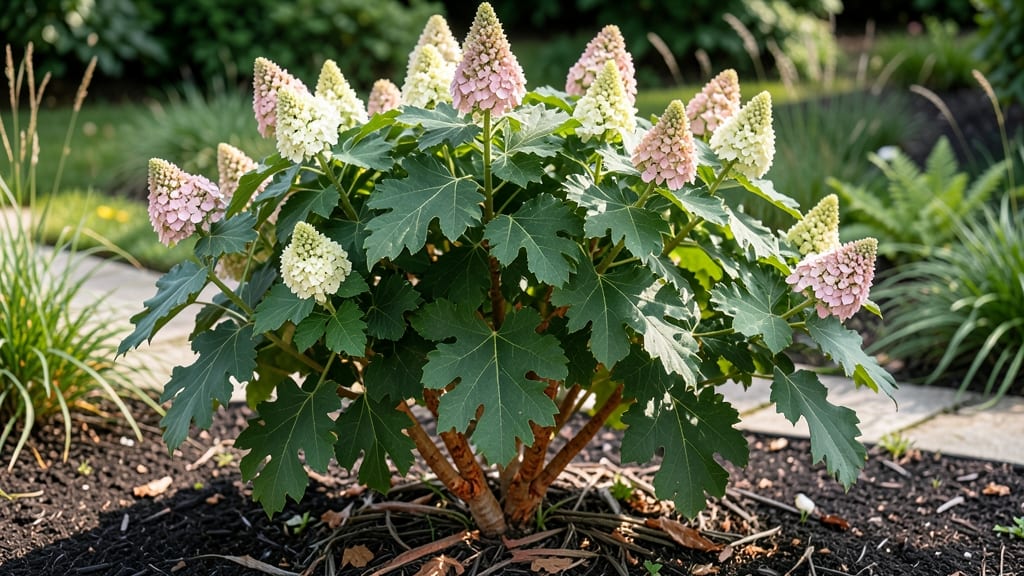
Finding oakleaf hydrangeas near you is easier than you think—these shade-loving stars transform dull corners into lush, ever-changing displays. 🌿 Their deep green leaves blaze with burgundy in fall, and the cone-shaped blooms add texture all season.
I’ve spotted them at local nurseries hidden among the crowded annuals, so here’s how to track them down and make them the star of your garden.
Start by checking garden centers specializing in shade-tolerant plants or native species—they often carry oakleaf hydrangeas in 3-5 gallon pots (perfect for immediate planting).
If you’re shopping online, look for reputable growers who ship bare-root or potted plants with clear photos of the foliage—this ensures you’re getting the bold, oak-shaped leaves that give them their name. Pro tip: Ask about seasonal sales in early spring or fall, when nurseries discount overstocked varieties.
Once you’ve got your plant, use it as a focal point near patios or entryways where the foliage can shine. Pair it with ferns, hostas, or Japanese maples for a layered, woodland feel, or let it stand alone against a dark evergreen backdrop.
Oakleaf hydrangeas thrive in partial shade (4–6 hours of sunlight) and handle moist, well-draining soil—so even tricky spots become assets. With minimal pruning (just clean up dead blooms in early spring), they’ll reward you with year-round interest and minimal fuss.
For long-term success, plant in spring or early fall to avoid heat stress, and mulch heavily to protect roots in winter. If you’re in a hotter climate, provide afternoon shade to keep leaves from scorching.
The payoff? A garden that feels like a secret retreat, all thanks to one bold, low-maintenance plant. Ready to find yours?
📚 In This Guide
- What you need
- Instructions
- Tips and common mistakes
- Wrapping up and next steps
What you need
- ● Oakleaf hydrangea plants: 1–3 mature plants (3–5 ft tall) from a local nursery or online retailer (e.g., Hydrangea quercifolia varieties like 'Snow Queen' or 'Pee Wee').
- ● OR Seeds (if starting from scratch—germination takes patience!).
- ● Soil: 6–8 bags (2–3 cu. ft. each) of well-draining, acidic soil mix (pH 5.0–6.0). Mix with compost (2–3 bags) for nutrients.
- ○ Optional: Peat moss (1 bag) to improve moisture retention.
- ● Planting tools: 1 garden trowel or spade.
- ● 1 pair of pruning shears (for trimming roots or shaping).
- ● 1 wheelbarrow (for moving soil/mulch).
- ● Mulch: 3–4 bags of organic mulch (pine bark or shredded leaves—avoid cedar, as it’s toxic!).
- ● Watering supplies: 1 garden hose with a soft spray nozzle (or a watering can for delicate seedlings).
- ○ 1 moisture meter (optional but helpful for shade-loving plants!).
- ● Slow-release fertilizer (balanced 10-10-10 or acidic plant food like Miracle-Gro Azalea/Camellia).
- ● Plant support stakes (if your garden has strong winds).
- ● Epsom salt (for magnesium boosts if leaves look yellow).
- ● Neem oil or insecticidal soap (to fend off aphids or spider mites—common pests for hydrangeas!).
Step-by-Step guide to planting and caring for oakleaf hydrangeas
This shade-loving beauty transforms gardens with its stunning foliage and seasonal blooms.
🪴 Step 1: Choose the Perfect Planting Location
Oakleaf hydrangeas thrive in partial shade, receiving morning sun and afternoon shade in hotter climates or dappled light in cooler regions. Avoid deep shade—this will result in sparse blooms and leggy growth. I always scout the area for at least 4 hours of indirect light daily, checking for nearby trees or structures that could cast shifting shadows.
Test the spot by observing how sunlight moves across it throughout the day. The ideal location offers protection from harsh afternoon rays while still getting enough light for vibrant foliage. If your garden is fully shaded, supplement with a grow light for 6-8 hours daily during the growing season.
🌱 Step 2: Prepare the Soil for Optimal Growth
These hydrangeas love rich, acidic soil with a pH between 5.5 and 6.2—test your soil first with a simple kit. Amend heavy clay with 2-3 inches of compost and 1 part peat moss to improve drainage and aeration. I mix in a slow-release fertilizer (like 10-10-10) at planting time to give roots a nutrient boost.
Dig a hole twice as wide as the root ball but only as deep—planting too deep suffocates the roots. Loosen the soil at the edges of the hole to encourage root spread. If your soil drains poorly, add a 1-inch layer of coarse sand at the bottom of the hole to prevent waterlogging.
⏰ Step 3: Plant and Water for Strong Establishment
Remove the hydrangea from its container and soak the roots for 10 minutes to rehydrate them. Position the plant so the top of the root ball sits level with the surrounding soil—never deeper. Backfill with native soil, pressing gently to eliminate air pockets. Water deeply until the soil is saturated to 12 inches down, checking with a screwdriver.
Mulch around the base with 2-3 inches of organic mulch (like shredded bark), keeping it 3 inches away from the stem to prevent rot. Water 2-3 times weekly for the first month, ensuring the soil stays consistently moist but not soggy. You’ll know it’s right when water runs out the drainage holes after 10 minutes.
☀️ Step 4: Prune and Maintain for Seasonal Beauty
Prune in late winter or early spring before new growth appears. Remove dead or crossing branches first, then cut back last year’s blooms to 2-3 inches above the first set of buds. Never prune in fall—this encourages tender growth that won’t survive winter. I always sterilize my pruners with rubbing alcohol to prevent disease spread.
Fertilize in early spring and mid-summer with an acid-loving plant formula (like 8-3-9). Water deeply after each feeding to prevent root burn. Watch for yellowing leaves—this signals overwatering or nutrient deficiency. Adjust care based on foliage color: deep green means you’re on track; pale green means more sun or fertilizer.
🌿 Step 5: Overwinter for Next Year’s Blooms
In USDA Zones 5-6, protect young plants with 4-6 inches of mulch after the ground freezes. In colder zones, wrap the base with burlap to shield from wind. I never prune in fall—wait until spring to avoid damaging dormant buds. Hydrangeas are deciduous, so their bare stems are normal in winter.
Start light fertilizing in early spring as new shoots emerge. Increase watering as temperatures rise, aiming for 1 inch per week. By mid-summer, your oakleaf hydrangea will reward you with bold, oak-shaped leaves and conical blooms that last from summer into fall.
Tips & tricks for perfect oakleaf hydrangea planting and care
These tried-and-true strategies will help you avoid common pitfalls and cultivate stunning oakleaf hydrangeas that thrive year after year.
Lighting Strategy: In Step 1, when evaluating your planting location, I recommend testing sunlight patterns for a full week before planting. Use a simple app or notebook to track how shadows move across potential spots. Oakleaf hydrangeas need that 4 hours of indirect light daily, but too much direct sun can scorch their delicate leaves—especially in afternoon hours. If your garden has no natural light, a grow light on a timer for 6-8 hours is a game-changer for maintaining vibrant foliage.
Soil Preparation Insight: For Step 2, don't overlook the importance of that 1-inch layer of coarse sand in poorly draining soil. I've seen roots suffocate when planted in heavy clay without this adjustment. Test your soil's drainage by filling a container with it, adding water, and timing how long it takes to drain. If it takes longer than 10 minutes, your soil needs amending. Pro tip: Mix in 1 part peat moss to 2 parts compost for the perfect balance of acidity and aeration.
Watering Technique: During Step 3's establishment phase, the 10-minute watering test is your best friend. After watering deeply, insert a screwdriver to check moisture at 12 inches down. If it comes out dry, keep watering—hydrangeas need consistent moisture but hate soggy roots. I've found that 2-3 times weekly watering during the first month prevents transplant shock while allowing roots to spread properly. Always keep mulch 3 inches away from the stem to prevent rot.
Pruning Precision: In Step 4, when pruning in late winter, I can't stress enough how critical those 2-3 inches above the first set of buds are. This encourages strong new growth while preserving next year's blooms. Use sharp, sterilized pruners to make clean cuts at a 45-degree angle—this prevents water from pooling on the cut and causing disease. And remember: never prune in fall, even if the plant looks overgrown. Fall pruning stimulates tender growth that won't survive winter's freeze.
Pro Tips for Oakleaf Hydrangea Near Me
- These tried-and-true strategies will help you avoid common pitfalls and cultivate stunning oakleaf hydrangeas that thrive year after year.
- Lighting Strategy: In Step 1, when evaluating your planting location, I recommend testing sunlight patterns for a full week before planting.
- Soil Preparation Insight: For Step 2, don't overlook the importance of that 1-inch layer of coarse sand in poorly draining soil.
Frequently asked questions
Where can I find oakleaf hydrangeas for sale near me?
Check local nurseries, garden centers, or big-box stores like Home Depot or Lowe’s—many carry oakleaf hydrangeas in spring or fall. For rare varieties, try specialty plant shops or online retailers like Fast-Growing-Trees.com or Proven Winners. Pro tip: Call ahead to confirm stock, especially in your hardiness zone!
How long does it take for an oakleaf hydrangea to mature?
Oakleaf hydrangeas grow at a moderate pace—expect 12–24 inches of growth per year once established. Full maturity (with vibrant foliage and blooms) typically takes 3–5 years, though they’ll reward you with stunning fall color much sooner! Patience pays off—these beauties get even better with age.
Can oakleaf hydrangeas grow in full shade?
Yes! Unlike some hydrangeas, oakleaf varieties thrive in partial to full shade (6+ hours of indirect light). In deep shade, they may grow slower but still produce lush foliage and occasional blooms. For the best results, plant them in dappled sunlight or morning shade—this balances growth and flowering.
What pests or diseases should I watch for with oakleaf hydrangeas?
The biggest threats are aphids, scale insects, and powdery mildew. Prevent issues by:
- Watering at the base (avoid wetting leaves to deter mildew).
- Pruning in late winter to improve airflow.
- Using neem oil if pests appear.
When is the best time to prune oakleaf hydrangeas?
Prune right after flowering (late summer) or in early spring before new growth starts. Avoid pruning in fall—it can stimulate tender growth that may frost-damage. For shaping, use clean, sharp shears and remove no more than 1/3 of the plant to keep it healthy.
Wrapping up and next steps
Transforming your shade garden with oakleaf hydrangeas is a rewarding journey—one that brings year-round beauty with minimal fuss! 🌿 These stunning plants thrive in low-light spots, offering vibrant foliage, fragrant blooms, and even seasonal color shifts.
Whether you’re a seasoned gardener or just starting, now’s the perfect time to plant, nurture, or admire these shade-loving stars.
Ready to take the next step? Locate a local nursery (try searching “oakleaf hydrangea near me”), grab your gardening gloves, and give your garden the bold, lush upgrade it deserves! 🌸