
Companion Plants
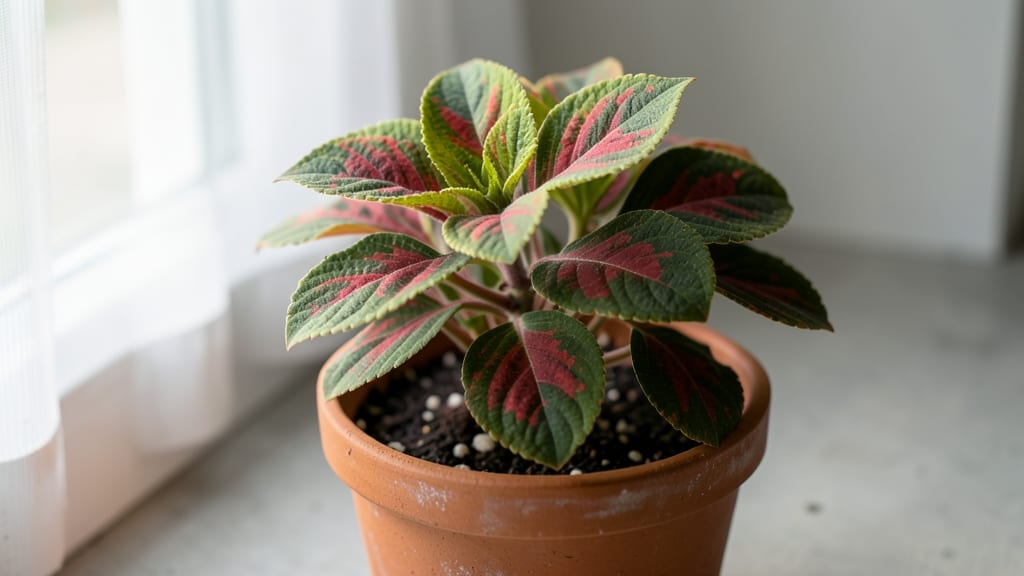
A leaf plant with red and green leaves transforms any garden into a living work of art. 🌿 These bold foliage stars—like Coleus, Heuchera, or Caladium—bring drama without flowers, their vibrant hues shifting with sunlight and seasons.
I’ve used them to create striking borders, container gardens, and even indoor statement pieces that never go out of style. The secret to their success? Six hours of sunlight (or shade, depending on the variety) and consistently moist, well-draining soil.
Most thrive in zones 5-11, but with the right container, you can grow them almost anywhere—even on a city balcony. Their colors deepen in cooler weather, making them perfect for year-round interest.
Imagine a firewave coleus with its electric red-and-pink leaves spilling over a pot, or a palace purple heuchera grounding a shade garden with its velvety foliage. These plants play well with others too—pair them with silver foliage for contrast or soft blooms to let their colors shine.
Whether you’re designing a low-maintenance border or a high-impact container, these red-and-green showstoppers deliver instant curb appeal. Let’s pick the perfect one for your space!
📚 In This Guide
- What you need
- Instructions
- Tips and common mistakes
- Wrapping up and next steps
What you need
- ● Leaf Plant: 1 Heuchera (Coral Bells) or Coleus (popular red-and-green varieties like ‘Berry Smoothie’ or ‘Black Scallop’)
- ● OR 1 Japanese Maple (Acer palmatum) (dwarf varieties like ‘Bloodgood’ for compact growth)
- ● Potting Mix: 1 bag (5–10 quarts) of well-draining soil (e.g., miracle-gro potting mix + perlite or orchid bark for aeration)
- ● Containers: 1–2 terracotta or ceramic pots (6–12 inches in diameter, with drainage holes)
- ● OR a raised garden bed (if planting outdoors, 6–12 inches deep)
- ● Fertilizer: 1 bottle of balanced liquid fertilizer (10-10-10 or 20-20-20, diluted to half-strength)
- ● Watering Can: 1 gallon-sized can with a rose attachment (for gentle watering)
- ● Pruning Shears: 1 pair of sterilized, sharp shears (for trimming or propagation)
- ● Gloves: 1 pair of gardening gloves (to protect hands from soil/prickers)
- ● Mulch: 1 bag of organic mulch (e.g., pine bark or shredded leaves) to retain moisture
- ● Grow Lights: 1–2 LED grow lights (if indoors, 12–16 hours/day for optimal growth)
- ● Decorative Stones: Small pebbles or mosquito biters (for a polished container look)
- ● Plant Labels: 3–5 waterproof labels (to track varieties)
How to grow a striking red-and-green leaf plant for year-round color
Here's how to cultivate a bold, two-toned foliage plant that turns heads indoors or out.
🌱 Step 1: Select the Right Variety for Dramatic Contrast
For vibrant red-and-green foliage, I recommend Coleus (especially 'Wizard' or 'Black Dragon' varieties) or Heuchera ('Palace Purple' or 'Berry Smoothie'). These thrive in partial shade and deliver the most intense color contrast. Avoid variegated plants like Snake Plant or ZZ Plant—their patterns are subtle compared to the bold red-green punch you want.
Check the plant's label for light requirements. Most striking red-leaf varieties need bright, indirect light (think east or north-facing windows). Too much direct sun bleaches the red pigment, while too little light dulls the green. I always test a plant's light tolerance for a week before committing to its final spot.
☀️ Step 2: Position for Optimal Light and Temperature
Place your new plant in medium to bright indirect light—this is where the red foliage really pops. A south-facing window with sheer curtains works perfectly. If you notice the red fading to green, the plant needs less light. Conversely, if leaves scorch or crisp, move it back a few feet.
Keep temperatures steady between 65-75°F. Most striking red-leaf plants are tropical and can't handle drafts or sudden temperature swings. I avoid placing mine near air vents or doors that open frequently. A simple trick? Use a small thermometer near the plant for a week to monitor fluctuations.
💧 Step 3: Water Consistently Without Overdoing It
Water when the top inch of soil feels dry—this prevents both underwatering (which causes leaf drop) and overwatering (which leads to root rot). I use the "finger test" method: stick your index finger into the soil. If it comes out clean, water is needed; if it's damp, wait another day.
Use room-temperature water to avoid shocking the roots. Pour water slowly at the base until it drains from the bottom of the pot. Empty the saucer after 10 minutes to prevent soggy roots. Overwatering is the #1 killer of these plants—yellowing leaves usually mean you're watering too much, not too little.
✂️ Step 4: Prune for Bushier Growth and Vibrant Color
Pinch back the tips of new growth when stems reach 3-4 inches to encourage bushier, fuller plants. This also prevents leggy growth, which weakens the red pigmentation. Use clean, sharp scissors to make cuts just above a leaf node—never tear the stem.
Remove any yellow or brown leaves immediately. These not only look unappealing but also drain energy from the plant. Propagate healthy cuttings in water or soil to expand your collection. The best time to prune is in early spring, just as new growth begins.
🪴 Step 5: Fertilize Lightly for Intense Foliage Color
Feed every 4-6 weeks during the growing season (spring through fall) with a balanced liquid fertilizer (10-10-10 or 20-20-20). The key is consistency—too much fertilizer burns roots, while too little dilutes the vibrant colors. I always dilute fertilizer to half-strength unless the package specifies otherwise.
For the deepest red hues, avoid high-nitrogen fertilizers. They promote leafy growth at the expense of color intensity. Instead, opt for a fertilizer with equal parts nitrogen, phosphorus, and potassium. Stop fertilizing in late fall to let the plant rest and recover for next season.
Tips & tricks for perfect red-and-green leaf plants
These small adjustments make all the difference in keeping your bold foliage vibrant year-round.
Light Testing: I can't stress enough how critical Step 1's light testing is—especially for Coleus varieties. Place your plant in the chosen spot for 7 days before committing. Watch for color changes: if the red deepens, you've found the perfect spot. If it fades to green, move it to a slightly shadier location. Remember, east-facing windows provide the ideal balance of morning sunlight without harsh afternoon rays.
Temperature Monitoring: The 65-75°F range in Step 2 is non-negotiable for maintaining those striking red hues. I recommend placing a small digital thermometer near your plant for a week to monitor fluctuations. Drafts from windows or air vents can create microclimates that stress the plant—keep it at least 3 feet away from any air currents. For winter care, move potted plants away from cold windows at night when temperatures drop below 60°F.
Watering Technique: That 10-minute drainage time in Step 3 is crucial for preventing root rot. I've found using a pot with drainage holes and a cache pot underneath creates the perfect system—water drains completely while still keeping the soil moist. For indoor plants, I recommend using a moisture meter to check soil moisture between waterings. The meter's accuracy is far better than the finger test for maintaining consistent moisture levels.
Pruning Strategy: When pruning in Step 4, focus on removing stems that are growing toward light sources—they'll develop weak, pale leaves. I always prune just above a leaf node where new growth will emerge. For Coleus, you can also propagate these cuttings in water to create new plants. The best time for this is early spring, when the plant is entering its most active growth phase.
Pro Tips for Leaf Plant With Red And Green Leaves
- These small adjustments make all the difference in keeping your bold foliage vibrant year-round.
- Light Testing: I can't stress enough how critical Step 1's light testing is—especially for Coleus varieties.
- Temperature Monitoring: The 65-75°F range in Step 2 is non-negotiable for maintaining those striking red hues.
Frequently asked questions
Got questions about growing and caring for leaf plants with red and green foliage? You’re not alone! Here are some of the most common queries—plus expert answers to keep your garden vibrant year-round.
What are the best leaf plants with red and green leaves for full sun exposure?
If your garden basks in sunlight, opt for Coleus blumei (with its bold variegation) or Croton varieties like ‘Mammoth’—both thrive in bright light and deliver fiery red-green contrasts. For shade-tolerant alternatives, try Heuchera (coral bells) or Fittonia (nerve plant), though they may lose some red intensity in low light.
How long does it take for red-and-green leaf plants to show their full color?
Patience pays off! Most plants like Coleus or Caladium (elephant ear) take 6–8 weeks from transplanting to reveal their full vibrancy. Croton and Iresine (bloodleaf) may take slightly longer (up to 3 months) if grown from seed. Boost color by ensuring they get 6+ hours of sunlight daily and fertilizing lightly every 4–6 weeks.
Why are my red-and-green leaves turning all green? What’s wrong?
This is usually a light deficiency—red pigments (anthocyanins) fade without enough sunlight. Move your plant to a brighter spot (but avoid harsh midday sun for tender varieties like Fittonia). Over-fertilizing with nitrogen can also mute colors, so switch to a balanced or phosphorus-rich fertilizer (like 10-10-10) to encourage red hues.
Can I grow red-and-green leaf plants in containers? What’s the best setup?
Containers are perfect for Coleus, Croton, or Heuchera. Use a well-draining mix (add perlite or orchid bark) and a pot with drainage holes. For heat-loving plants like Iresine, opt for terracotta or fabric pots to prevent root rot. Rotate pots occasionally to ensure even light exposure—this keeps colors bold and symmetrical!
Do red-and-green leaf plants need special winter care?
Most tropical varieties (e.g., Caladium, Fittonia) are not frost-tolerant. Before winter, move potted plants indoors near a sunny window or under grow lights. For perennials like Heuchera, mulch heavily to protect roots. Coleus can be overwintered as houseplants—just reduce watering and keep humidity up with a pebble tray!
Wrapping up and next steps
Adding a leaf plant with red and green leaves to your garden is a game-changer—it brings bold contrast, effortless beauty, and year-round interest with minimal fuss!
Whether you’re drawn to the fiery hues of Coleus, the velvety texture of Heuchera, or the striking foliage of Japanese Maple, these plants prove that drama doesn’t require a lot of space or sunlight. 🌿✨
Ready to elevate your garden? Start small—try a single pot or a mixed border—and watch your outdoor space transform into a vibrant, low-maintenance masterpiece. Your next step? Pick your favorite variety, grab some gloves, and let the planting begin!