
Light Requirements
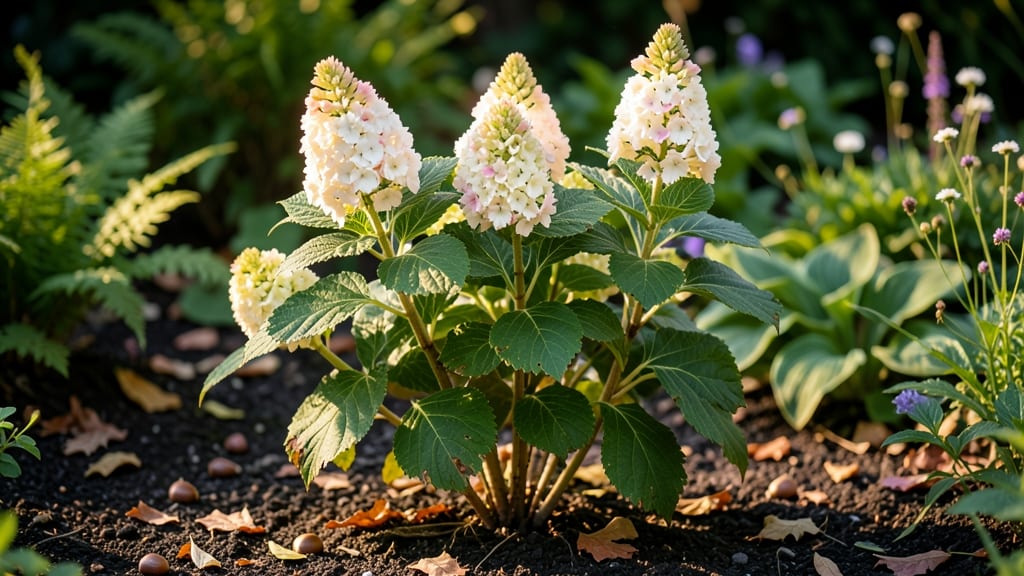
Balancing the oakleaf hydrangea’s light requirements is the key to those showstopping leaves that turn fiery red in fall 🌸 — too much sun burns them, too little dulls the color.
Picture this: your oakleaf hydrangea thriving with deep green foliage in spring, then bursting into shades of burgundy and gold as summer fades. That vibrant transformation doesn’t happen by accident—it’s all about sunlight.
Too harsh, and you’ll end up with bleached, crispy edges. Too little, and the leaves stay pale and lackluster.
In Zone 6a, where many gardeners grow oakleaf hydrangeas, the ideal spot gets morning sun and afternoon shade—think east-facing windows or the dappled light under tall trees. This balance isn’t just about aesthetics; it’s about the plant’s health, too.
Too much direct afternoon sun can stress the leaves, while too little shade weakens the stems over time.
Here’s what you’ll discover: how to spot the signs of light stress, the best ways to adjust your oakleaf hydrangea’s position as the seasons change, and even how to use companion plants to create the perfect microclimate. Let’s get those leaves glowing!


Ideal sunlight balance for oakleaf hydrangea growth and foliage color
Your oakleaf hydrangea thrives on a delicate balance of light—too much sun bleaches its signature burgundy foliage, while too little dulls its vibrant fall colors. Understanding seasonal light needs transforms this shrub from a struggling specimen into a year-round showstopper.
The key lies in partial shade with strategic sun exposure that shifts through the seasons.
Scientifically, chlorophyll production drives leaf health, while anthocyanin pigments create those stunning fall hues. Morning sun boosts photosynthesis, but harsh afternoon rays trigger leaf scorch. By mastering this balance, you’ll maintain rich foliage color from spring through winter. Let’s break down how to optimize light for each season.
In spring, your oakleaf hydrangea craves 4-6 hours of morning sunlight to kickstart growth. This is when chlorophyll production peaks, giving leaves their lush green foundation. Position it where it gets sunlight from 6 AM to 12 PM, then shift it to partial afternoon shade.
A common mistake? Planting it where it bakes in full afternoon sun—this causes leaf bleaching within weeks.
Summer demands more shade protection as temperatures rise. Aim for 3-4 hours of filtered sunlight—think dappled shade from trees or a lightweight shade cloth (30-50% coverage). The bronze edges you see in summer are nature’s way of protecting leaves from UV stress.
If your hydrangea’s leaves turn yellow or crispy, it’s a clear sign of over-exposure.
Fall is when anthocyanin pigments truly shine, transforming leaves into deep burgundy or red. To maximize this color shift, reduce direct sunlight to 2-3 hours daily while ensuring cool temperatures (below 70°F).
The lower light intensity combined with shorter days triggers this stunning metamorphosis. Pro tip: East-facing locations work best—morning sun without harsh afternoon rays.
Winter care is often overlooked, but dappled shade prevents winter burn and preserves foliage color. Unlike deciduous trees, oakleaf hydrangeas retain their leaves, so direct winter sun can dry them out.
A snow-covered evergreen nearby creates perfect indirect light conditions. If your hydrangea’s leaves look dull or brown by winter, it’s likely suffering from excessive winter sun exposure.
Leaf color isn’t just about aesthetics—it’s a health indicator. Bright green leaves mean optimal chlorophyll production, while deep burgundy hues signal high anthocyanin levels. If your hydrangea’s foliage stays pale yellow-green, it’s not getting enough morning sun.
Conversely, white or brown patches mean too much direct sun. The goal is balanced pigment development year-round.
For container-grown oakleaf hydrangeas, light needs change dramatically. Place pots near east-facing windows or under patio umbrellas (closed by noon). Rotate containers weekly to ensure even light exposure.
In hot climates, move containers to shadier spots by late afternoon. Remember: root-bound plants are more sensitive to light stress.
One of my favorite tricks? Using reflective mulch (like white gravel) around the base to bounce extra light onto lower leaves. This mimics natural forest understory conditions where oakleaf hydrangeas thrive.
Pair this with regular pruning to open the center for better air circulation and light penetration. The result? Vibrant foliage from top to bottom of your shrub.
Don’t forget about microclimates—your garden’s layout plays a huge role. Planting near tall evergreens
How to adjust light conditions for maximum oakleaf hydrangea performance
Adjusting light conditions can transform your oakleaf hydrangea from a struggling shrub to a vibrant centerpiece. These plants thrive in partial shade, but even a few degrees difference in sun exposure can change their foliage color and growth pattern.
The key is creating a dynamic environment that adapts with the seasons and your garden's natural light shifts.
Start by observing your hydrangea's current light exposure. If leaves are bleached or crispy, it's getting too much direct sun. Conversely, pale, sparse leaves signal insufficient light. Understanding these signs helps you make precise adjustments—whether through pruning, relocating the plant, or adding shade structures.
⚠️ WARNING: Common Light Mistakes with Oakleaf Hydrangeas Too much sun causes leaf scorch and faded foliage, while too little light weakens stems and dulls the signature red-purple fall colors.
Avoid placing your hydrangea in hot afternoon sun (1 PM–5 PM), which can burn delicate leaves. Instead, position it to receive gentle morning sunlight (6 AM–10 AM) and filtered afternoon light.
One effective strategy is selective pruning to control light penetration. Thin out dense branches to allow dappled sunlight to reach inner leaves. Focus on removing overlapping stems that block light from reaching the center of the plant.
This not only improves air circulation but also ensures even light distribution, preventing weak, leggy growth.
For gardeners with limited shade options, strategic planting near trees or shrubs can create the perfect microclimate. Choose deciduous trees like maples or birches—their leaves will filter harsh summer sun while allowing winter light to reach your hydrangea.
Alternatively, plant tall perennials like coneflowers or black-eyed Susans on the south side to provide natural shade during peak afternoon heat.
Seasonal adjustments are crucial. In summer, your oakleaf hydrangea may need extra shade protection, especially in USDA Zones 7–9. Install a lightweight shade cloth (30–50% coverage) if leaves show signs of stress.
In winter, however, ensure it receives bright indirect light to maintain healthy growth for spring blooms. A simple trick is to prune nearby overgrown plants in late fall to open up light pathways.
Troubleshooting light issues often starts with soil and water balance. Oakleaf hydrangeas in low-light conditions benefit from well-draining, moisture-retentive soil enriched with organic matter. Amend heavy clay soil with compost to improve root health, which helps the plant better utilize available light.
If stems appear weak, a balanced fertilizer (10-10-10) applied in early spring can boost vigor without encouraging excessive leafy growth that competes for light.