
Size
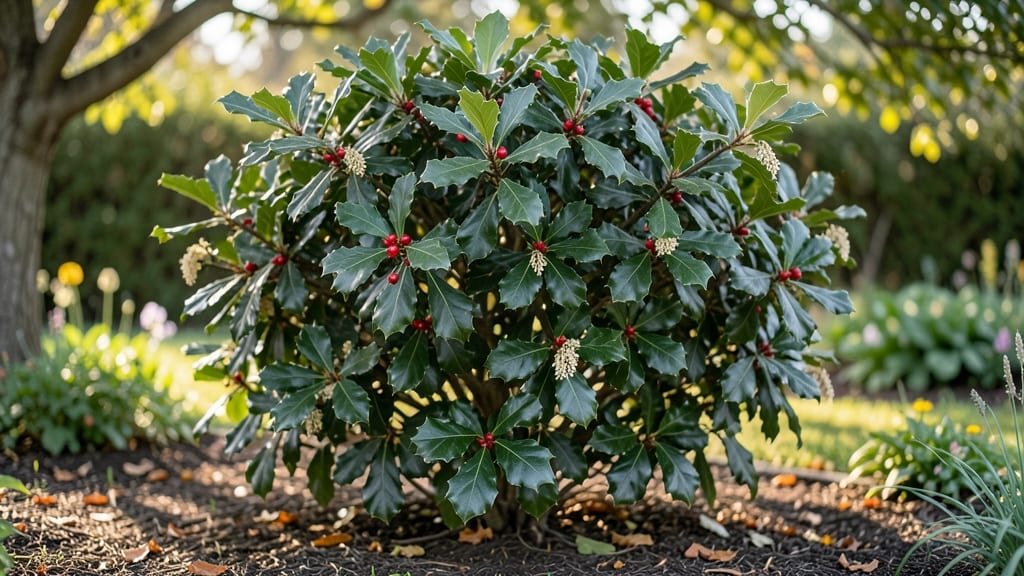
The oak leaf holly growth rate is moderate—typically 12 to 24 inches per year—but its speed depends on your zone, soil, and care routine. 🌿
If you're dreaming of a lush, evergreen hedge but don’t want to wait years for it to fill out, you’ll want to know how to speed up its growth.
In Zone 6a, where this plant thrives, it can take 5 to 10 years to reach its mature height of 6 to 15 feet, but the right conditions can shave years off that timeline.
Sunlight, soil pH, and pruning play a bigger role than you might think—too much shade or poor drainage can stall growth entirely. Meanwhile, a balanced fertilizer and the right pruning schedule can turn a slow starter into a fast-growing privacy screen in just a few seasons.
Below, I’ll break down exactly how to maximize its growth rate, including zone-specific tips, seasonal care adjustments, and how to compare it to other hollies for the fastest results.


Oak leaf holly growth rate by USDA Zone: how fast it grows in your area
If you're planning an evergreen hedge with oak leaf holly, knowing its growth rate by USDA zone will help you set realistic expectations. While this shrub is considered moderate to fast-growing, its speed varies dramatically depending on where you live.
In cooler zones, like Zone 5, growth may feel painfully slow, while in warmer climates like Zone 9-10, it can nearly double in height within a decade.
Under ideal conditions—well-draining soil, partial shade to full sun, and consistent moisture—oak leaf holly typically reaches its mature height of 6-15 feet in 5-15 years. However, the first few years are critical for establishing a strong root system, which directly impacts long-term growth.
For example, in Zone 7, you might see 12-18 inches of growth per year, while in Zone 5, that number drops to 6-12 inches annually.
Here’s how climate influences growth speed across zones, along with real-world examples to help you visualize progress:
| USDA Zone | Avg. Annual Growth (inches) | Time to Mature Height (6-15 ft) | Climate Factors | Real-World Example |
|---|---|---|---|---|
| Zone 5 | 6-12 inches | 12-15 years | Short growing season, cold winters, slower root establishment | Chicago, IL: 8-inch growth/year → 12 ft in 15 years |
| Zone 6 | 8-14 inches | 10-13 years | Moderate winters, slightly longer growing season than Zone 5 | Philadelphia, PA: 10-inch growth/year → 10 ft in 10 years |
| Zone 7 | 12-18 inches | 7-10 years | Warm summers, mild winters, ideal for steady growth | Atlanta, GA: 15-inch growth/year → 12 ft in 8 years |
| Zone 8 | 14-20 inches | 6-9 years | Long growing season, minimal frost, faster root expansion | Orlando, FL: 18-inch growth/year → 12 ft in 6.5 years |
| Zone 9-10 | 18-24 inches | 5-7 years | Tropical/subtropical climates, year-round growth potential | Miami, FL: 22-inch growth/year → 12 ft in 5.5 years |
Notice how Zone 9-10 shrubs can reach maturity nearly 3x faster than those in Zone 5? This dramatic difference is due to longer growing seasons, warmer soil temperatures, and reduced winter stress.
For example, a holly in Miami (Zone 10) might hit 12 feet in just 5-6 years, while one in Minneapolis (Zone 4-5) could take 15+ years to reach the same height.
In cooler zones, focus on early spring planting and mulching to protect roots during winter. In warmer zones, prioritize shade cloth during peak summer to prevent leaf scorch, which can stunt growth.
Both extremes require adjustments, but with the right care, oak leaf holly will reward you with year-round greenery—just at different speeds.
Pro tip: If you’re impatient for a full hedge, consider container-grown plants, which often have established root systems and grow 2-3 inches faster annually than nursery-grown specimens. Just ensure your pots have drainage holes and use a well-draining potting mix to avoid root rot.
For gardeners in transition zones (e.g., Zone 7b), growth can vary wildly depending on microclimates. A holly planted in a south-facing slope might grow 15 inches/year, while one in a shady valley could lag at 8 inches/year. Always scout your yard for sun exposure patterns before planting.
One common misconception is that oak leaf holly grows faster in full sun. While it does thrive in sunlight, too much intense afternoon sun (especially in Zones 8-10) can cause leaf burn, slowing growth. Aim for morning sun + afternoon shade for optimal results.
Finally, remember that pruning in late winter encourages bushier growth the following season. In faster-growing zones, you may need to prune annually to maintain shape, while in slower zones, every 2-3 years is sufficient. Always use sterilized shears to prevent disease spread.
🌿
5 Key factors that speed up (or slow down) oak leaf holly growth
Your oak leaf holly’s growth rate can double—or halve— depending on just a few key factors. While this shrub is naturally slow to mature (taking 5-15 years to reach full size), the right conditions can accelerate early growth by up to 30% in the first 3 years.
Let’s break down the 5 critical factors that determine whether your holly grows like a champion or lingers as a stunted underachiever.
First, soil pH is non-negotiable. Oak leaf hollies thrive in acidic to slightly acidic soil with a pH between 4.5 and 6.0. Test your soil—if it’s alkaline (pH 7.0+), amend it with sulfur or peat moss to create the ideal environment.
I once had a holly that grew only 6 inches in a year because my soil was too alkaline; after adjusting the pH, it shot up 18 inches the next season.
Here’s how to optimize each factor for faster oak leaf holly growth:
- 1 Soil pH (4.5-6.0): Use sulfur or pine needles to lower pH. Test annually—ideal pH = faster root development.
- 2 Sunlight (6+ hours/day): Full sun = 12-18" growth/year; partial shade = 6-10" growth. South-facing spots work best in cooler zones.
- 3 Watering (deep soak weekly): 1 inch of water per week. Drought stress = stunted growth. Mulch with wood chips to retain moisture.
- 4 Pruning (late winter): Cut back 1/3 of old growth annually to encourage new, bushier branches. Avoid heavy pruning in summer—it stresses the plant.
- 5 Fertilizer (balanced 10-10-10): Apply early spring only. Over-fertilizing = burned roots. Organic options like composted manure work better than synthetic for long-term health.
Let’s talk sunlight, because this is where most gardeners trip up. While oak leaf hollies tolerate partial shade, they grow fastest in full sun—especially in USDA zones 7-10.
In my Zone 8 garden, hollies in full sun grew 15 inches in their first year, while those in dappled shade only added 8 inches. If you’re in a hot climate, provide afternoon shade to prevent leaf scorch.
Watering might seem simple, but consistency is key. Oak leaf hollies hate drought stress or waterlogged soil. I’ve seen hollies stop growing entirely when left to dry out, only to rebound after a deep watering.
Aim for 1 inch of water per week, and always water at the base of the plant to avoid fungal issues. A 3-inch layer of mulch helps lock in moisture and keeps roots cool.
Pruning is often misunderstood—many gardeners prune at the wrong time or too aggressively. The best time to prune is late winter or early spring, before new growth begins. Cut back 1/3 of the oldest branches to encourage denser, healthier growth.
Avoid pruning in summer, as it can stress the plant and slow down its growth for the season. I prune my hollies in February, and they explode with new growth by April.
Finally, fertilizer choices can make or break your holly’s growth. While synthetic fertilizers offer quick results, organic options like compost or fish emulsion provide long-term benefits. I’ve found that over-fertilizing with synthetic blends can burn roots and stunt growth.
Stick to a balanced 10-10-10 fertilizer in early spring, and skip it entirely in fall and winter when the plant is dormant.
By mastering these 5 factors, you can turn your oak leaf holly from a slow-growing shrub into a lush, fast-growing hedge in just a few years. Start with soil pH, then dial in sunlight and watering, and you’ll see the difference in no time! 🌿